Ukrainian Naval Drone Attack Sinks Russian Corvette in Libyan Port
A Russian Navy corvette was struck and subsequently sank following a Ukrainian naval drone attack while docked at the Port of Benghazi in Libya on November
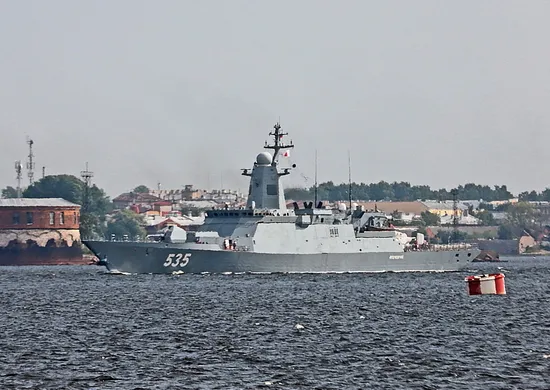
A Russian Navy corvette was struck and subsequently sank following a Ukrainian naval drone attack while docked at the Port of Benghazi in Libya on November 22, 2026. The assault, carried out using unmanned surface vehicles (USVs), resulted in multiple fatalities and left at least ten individuals injured. The targeted vessel, the *Merkury*, ultimately capsized and sank at its berth, marking a significant escalation in the geographical scope of asymmetric maritime engagements involving Russian and Ukrainian forces.
Commissioned as part of the Russian Navy’s modern surface fleet, the *Merkury* was a *Steregushchiy*-class corvette originally laid down under the name *Retivy* before being renamed in 2021. The deployment of the warship to the Mediterranean and its subsequent port call in eastern Libya underscored Moscow’s ongoing efforts to maintain a strategic naval footprint in North Africa and project power beyond its immediate maritime borders. The presence of the advanced corvette in Benghazi highlighted the logistical and security dependencies Russian military assets rely upon when operating far from domestic shipyards.
The successful strike deep outside the traditional combat zones of the Black Sea demonstrates the expanding operational reach and technological maturation of Ukraine’s asymmetric naval warfare capabilities. Kyiv has systematically utilized domestically developed USVs to challenge Russian naval dominance, gradually shifting from coastal defense operations to long-range power projection. By targeting high-value naval assets in foreign ports, Ukrainian forces continue to impose strategic costs on the Russian military, complicating Moscow’s ability to safely dock, service, and deploy warships internationally.
This incident carries notable implications for the broader security architecture of the Mediterranean and North African regions. The vulnerability of a modern warship to low-cost unmanned surface technology in a neutral or friendly foreign port signals a paradigm shift in naval security, compelling navies worldwide to reassess force protection protocols for docked vessels. Furthermore, as the conflict between Russia and Ukraine increasingly projects its technological and tactical footprint into critical international trade and geopolitical corridors, regional stability in the Mediterranean faces heightened risks of spillover, drawing closer scrutiny from global maritime stakeholders.
Produced by our editorial team, with AI assistance in editing.