UKMTO says unidentified projectile hits merchant tanker in Strait of Hormuz
The United Kingdom Maritime Trade Operations (UKMTO) reported that on 23 August 2026 a merchant tanker was hit by an unidentified projectile while transiti
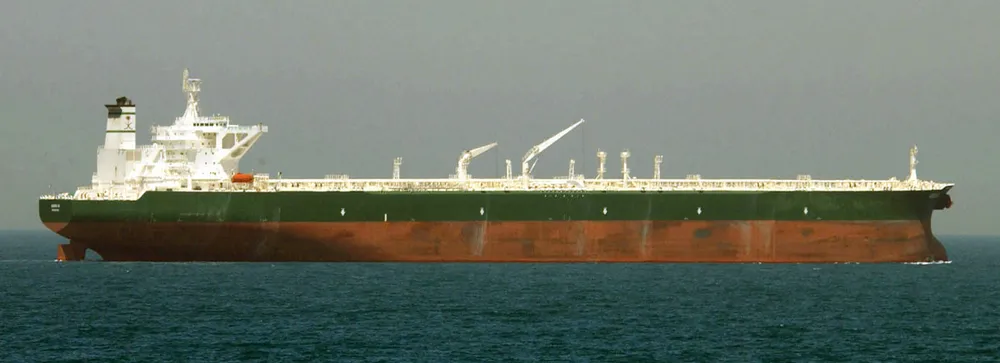
The United Kingdom Maritime Trade Operations (UKMTO) reported that on 23 August 2026 a merchant tanker was hit by an unidentified projectile while transiting the Strait of Hormuz near the Omani port of Khasab. The vessel, which was on a routine passage carrying crude oil, sustained damage to its hull but remained afloat; its crew reported no injuries and were later evacuated by a nearby naval escort. UKMTO said the incident was being investigated and that the source of the projectile had not been confirmed. The event marks the latest in a series of unexplained attacks on commercial shipping in one of the world’s most heavily trafficked maritime corridors.
Tankers such as the vessel involved are purpose‑built to move bulk liquids and gases across oceans. Modern oil tankers range from Aframax‑class ships of about 120 metres in length to ultra‑large crude carriers (ULCCs) exceeding 300 metres, each capable of transporting hundreds of thousands of tonnes of petroleum products. In addition to crude, tankers convey refined fuels, chemicals, liquefied natural gas and a variety of non‑energy commodities. Because they move the bulk of the world’s liquid energy, any disruption to their safe passage can quickly reverberate through global markets, affecting everything from fuel prices to the cost of goods that depend on petrochemical inputs.
The Strait of Hormuz, a narrow 21‑mile waterway between the Persian Gulf and the Gulf of Oman, is a chokepoint through which roughly a fifth of the world’s oil consumption passes each day. Its strategic value has made it a focal point for regional rivalries and international security concerns. Over the past decade, the strait has seen a number of confrontations, including missile strikes on vessels by Yemen’s Houthi rebels, naval skirmishes between Iranian and U.S. forces, and occasional accidental collisions. Heightened tensions in early 2026—sparked by Iran’s announced enrichment activities and a series of retaliatory cyber‑attacks on regional infrastructure—have led to an increased naval presence from the United States, the United Kingdom and allied Gulf states, all aimed at deterring further disruptions.
Omani authorities, whose coastline encompasses the incident site, issued a brief statement confirming the occurrence and emphasizing that their coastguard had responded promptly to assist the crew. The Omani Ministry of Transport declined to speculate on the projectile’s origin, urging investigators to let “the facts speak for themselves.” Meanwhile, the UKMTO, which monitors commercial traffic in the region, called for heightened vigilance among ship operators but stopped short of attributing blame. Iran’s foreign ministry, when queried, denied any involvement and urged “all parties to respect the freedom of navigation.” The United States Central Command, overseeing naval assets in the area, said its forces were “monitoring the situation closely” and would “take all necessary measures to protect maritime commerce.”
The incident underscores the fragility of a sea lane that underpins global energy security and, by extension, the broader world economy. Any perceived threat to the uninterrupted flow of oil through the Hormuz corridor can trigger price volatility, prompting downstream industries—including the semiconductor manufacturing sector that powers Taiwan’s high‑tech exports—to reassess supply‑chain risks and energy costs. For Taiwan, whose chip‑fab plants rely on stable, affordable electricity and a steady inflow of petrochemical feedstocks, disruptions in the Middle East can translate into higher production expenses and potential delays in meeting international demand. More broadly, the event highlights the interconnected nature of maritime security, energy markets and regional diplomacy, reminding stakeholders that stability in the Gulf remains a prerequisite for economic resilience far beyond its shores.
Produced by our editorial team, with AI assistance in editing.