
15 dead, including village head, in Bagudo ethnic clash, Kebbi State Nigeria
Fifteen people, including the head of a village, were killed in an armed ethnic clash in the town of Bagudo in Kebbi State on Saturday, according to local
Fifteen people, including the head of a village, were killed in an armed ethnic clash in the town of Bagudo in Kebbi State on Saturday, according to local officials. Security forces arrived on the scene later in the day, detained six men suspected of taking part in the violence and began an investigation. The incident, which involved gunfire and the burning of homes, is the deadliest communal confrontation in the region in recent months.
Bagudo lies in north‑western Nigeria, a part of the country where long‑standing tensions between farming communities and itinerant herders have periodically erupted into bloodshed. The area is predominantly inhabited by Hausa‑Fulani groups, but it also hosts smaller ethnic communities whose livelihoods depend on agriculture, fishing on the River Niger and seasonal grazing. Disputes over access to land and water have intensified as erratic rainfall and desertification shrink the resources available to both sides. Local leaders from the affected villages have blamed rival groups for the attack, accusing them of encroaching on cultivated fields, while representatives of the accused herders claim they were defending grazing routes that have been blocked by recent settlement expansion.
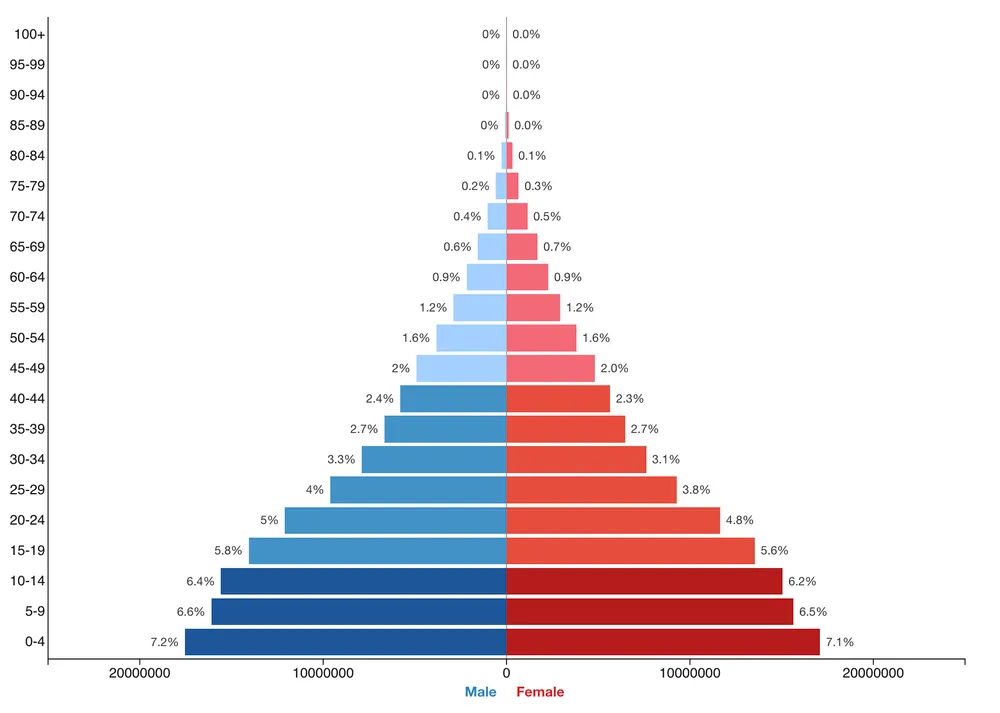
Nigeria’s demographic profile helps to explain why such clashes can quickly become lethal. With an estimated 237 million people, the nation is Africa’s most populous state and one of the world’s most densely inhabited. More than half of the population lives in urban centres, yet a large share remains tied to rural economies that rely on agriculture and livestock. The country is home to over 250 ethnic groups and more than 500 languages, creating a mosaic of identities that can be mobilised for both cooperation and conflict. Young people make up roughly 43 percent of the population, contributing to a high dependency ratio and, in many cases, to a pool of potential combatants who can be drawn into local disputes.
The Bagudo clash adds to a pattern of violence that has strained Nigeria’s security apparatus in recent years. Beyond farmer‑herder confrontations, the nation has grappled with insurgencies in the northeast, banditry in the northwest, and separatist agitation in the southeast. The federal government has repeatedly pledged to strengthen policing and to mediate between conflicting communities, but limited resources and competing priorities have hampered consistent enforcement. The recent arrests signal an attempt by authorities to demonstrate a swift response, yet critics argue that without addressing the underlying competition for scarce resources, punitive measures alone will not prevent future eruptions.
Humanitarian organisations have warned that the death toll could rise as injured victims seek treatment in overcrowded clinics and as families flee the area fearing retaliation. The disruption of agricultural activity in Bagudo also threatens food security for surrounding villages that depend on the town’s market. While the exact ethnic composition of the combatants remains unclear, the incident underscores the fragility of coexistence in regions where climate‑induced pressures intersect with historic grievances.
Although the violence is a domestic matter, its ramifications extend beyond Nigeria’s borders. The country is a major exporter of oil, agricultural commodities and raw materials that feed global supply chains. Instability in the north‑west can impede the movement of goods along the Niger River, affect regional trade routes and prompt displacement that adds to migration pressures across West Africa and, ultimately, toward Europe. For Taiwan and other economies that source raw materials from Nigeria, prolonged insecurity may translate into higher commodity prices and supply‑chain disruptions, reinforcing the importance of monitoring communal conflicts as part of broader risk‑assessment strategies.
Produced by our editorial team, with AI assistance in editing.
