
UK Labour Party Elects Andy Burnham as Next Prime Minister
The UK Labour Party concluded its leadership election on the 17th of this month, with current Greater Manchester Mayor Andy Burnham emerging victorious in
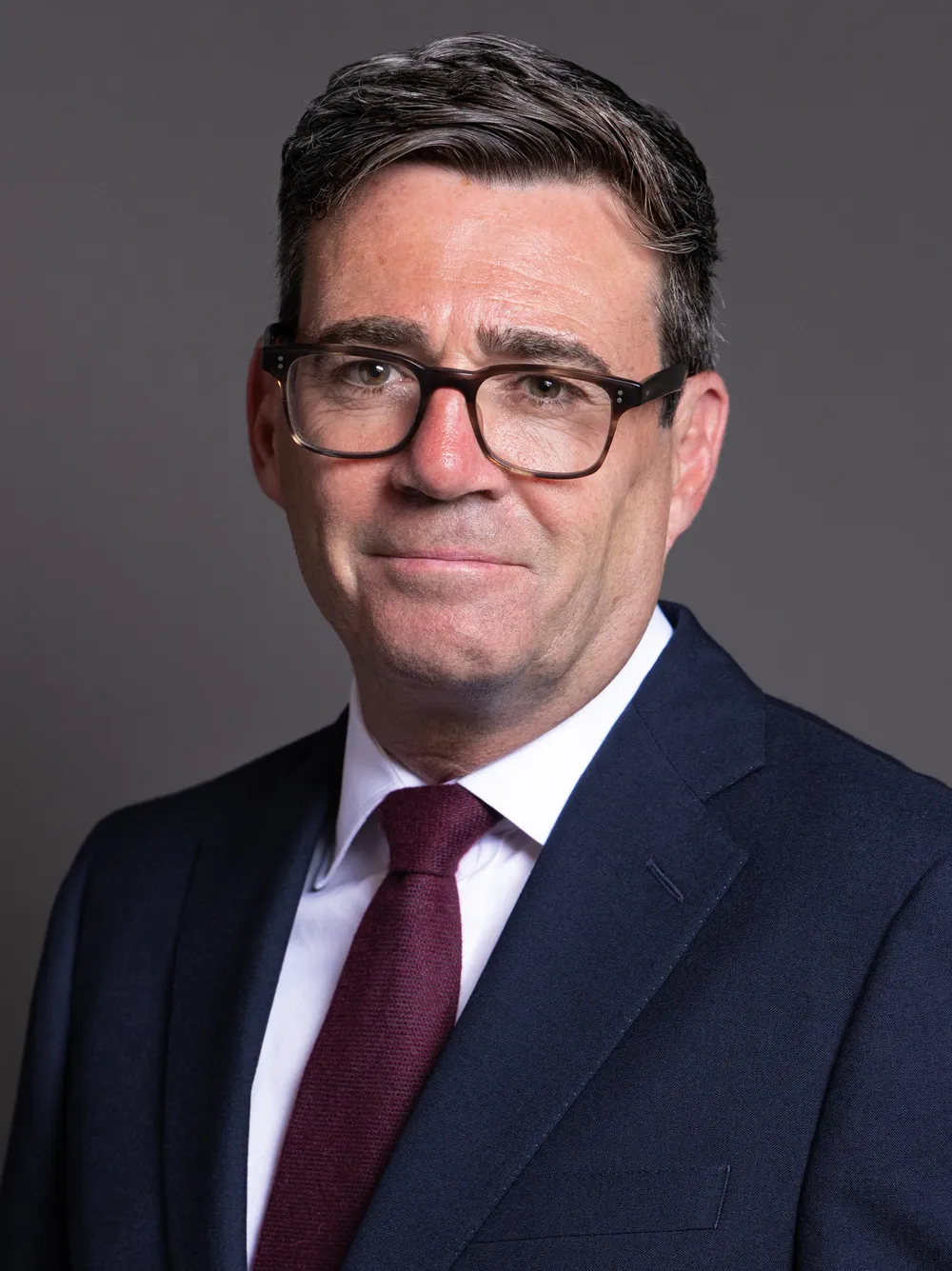
The UK Labour Party concluded its leadership election on the 17th of this month, with current Greater Manchester Mayor Andy Burnham emerging victorious in the internal party vote. He will officially succeed incumbent Prime Minister Keir Starmer as the new leader of the Labour Party. In accordance with British constitutional convention, Burnham is expected to travel to Buckingham Palace next Monday to meet with the King, and upon his formal appointment, he will assume the office of Prime Minister. This high-level change in party leadership marks the beginning of a new transitional period in the British political landscape, with observers both domestically and internationally closely watching how Burnham will lead the ruling party in addressing current economic hardships and social divisions.
Fifty-six-year-old Burnham, whose political career spans both national parliament and local governance, is considered a key figure within the Labour Party. Hailing from a working-class community in Northern England, he served as a cabinet minister in previous governments, holding significant portfolios in health and culture. Over the past decade, he has deeply cultivated his influence as Mayor of Greater Manchester, earning a reputation for promoting regional autonomy and improving infrastructure. His political stance is categorized as "soft left" within the party, emphasizing a balance between social welfare and economic equality. Due to his long-standing work in the North, he is perceived as being more attuned to the economic anxieties of grassroots citizens than politicians from the London establishment; this "Manchester-style" governance proved to be a critical foundation for his success in the leadership election.
Burnham’s succession comes at a time when the Labour government is facing severe governing challenges. While policies pushed by his predecessor, Keir Starmer, achieved some success in stabilizing the economy, issues such as inflation, slow progress in healthcare reform, and the cost-of-living crisis have caused fluctuations in voter support. Burnham has long advocated for strengthening local devolution and favors boosting the economy of Northern England through large-scale infrastructure investment, a route that differentiates his approach from the centralized governance model previously directed from London. It is widely expected that upon taking office, he will adjust the existing priorities of economic policy, seeking a new balance between fiscal discipline and social investment to restore public trust in the ruling party.
Beyond domestic affairs, Burnham’s diplomatic stance and foreign trade policies are also drawing attention from the international community. As a politician who has long championed labor rights and social democracy, he is expected to adopt a more pragmatic approach to managing UK-EU relations and global supply chain issues. Although he has pledged to uphold the Labour Party’s existing diplomatic commitments, maintaining Britain’s influence on the international stage amid intensifying geopolitical competition while simultaneously addressing domestic industrial transformation will be his primary challenge upon moving into 10 Downing Street.
For Taiwan, as the UK remains an important European trading partner, this change in leadership symbolizes a fine-tuning of the logic behind the UK’s allocation of economic resources. Burnham’s past policy emphasis on local industrial development and regional connectivity may drive UK demand for supply chains in sectors such as renewable energy, urban transport infrastructure, and digital transformation—potentially offering a new opportunity for Taiwanese technology and engineering firms to deepen bilateral industrial cooperation. Furthermore, as the UK continues to adjust its Indo-Pacific strategy, Taiwan should continue to monitor the new government’s stance on trade resilience and semiconductor supply chain security. Through sustained economic and trade dialogues, Taiwan can ensure that its critical position in global supply chains continues to receive support from UK policy, thereby consolidating the mutually beneficial economic and trade relationship between the two sides.
Produced by our editorial team, with AI assistance in editing.