
Pakpattan bus crash kills 11, injures 33 on main road.
Eleven people were killed and 33 others injured when a passenger bus collided with a truck on a main road in Pakpattan District, Punjab, Pakistan, authorit
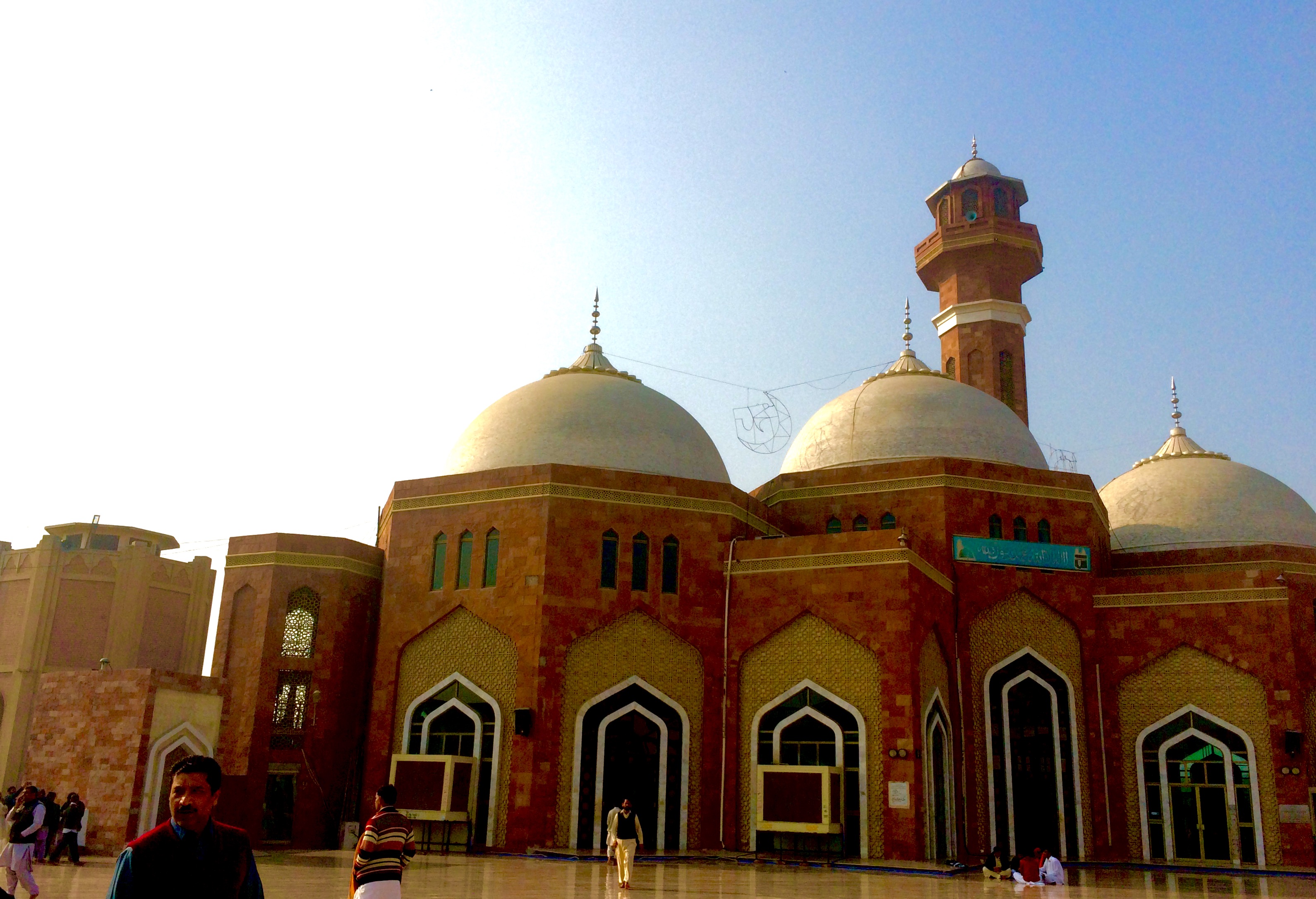
Eleven people were killed and 33 others injured when a passenger bus collided with a truck on a main road in Pakpattan District, Punjab, Pakistan, authorities confirmed on Sunday. The crash occurred early in the evening around 18:30 local time, on the stretch of road that links the district capital, Pakpattan city, with the larger cities of Lahore and Multan. The bus, reportedly carrying a mix of students and local commuters, was traveling northbound when it struck a heavy goods vehicle that was heading southbound. Emergency services were dispatched within minutes, but the impact was severe enough that the bus overturned, trapping several passengers inside the wreckage.
Pakpattan District lies in the central part of Punjab province, an area known for its agricultural output and historical sites such as the shrine of Sufi saint Baba Farid. The district’s road network is a critical artery for the movement of goods and people between the provincial capital, Lahore, and other major urban centers. However, the road conditions in many parts of Punjab, including Pakpattan, are often cited as contributing factors to the country’s high road‑accident rates. Pakistan’s National Highway Authority has repeatedly warned that inadequate signage, poor road maintenance, and unregulated vehicle speeds are major culprits behind the more than 40,000 fatalities that occur annually on its roads.
The Punjab Police announced that an investigation has been launched to determine the precise causes of the collision. Police spokesperson Muhammad Rehan said that preliminary evidence points to the truck driver’s possible failure to maintain a safe lane and the bus’s inability to avoid the impact due to the suddenness of the truck’s movement. “We are collecting statements from the bus company, the truck’s owner, and witnesses to ascertain whether any traffic violations or mechanical failures contributed to this tragedy,” Rehan added. The bus operator, a local transport firm, expressed its condolences to the families of the victims and said it would cooperate fully with the inquiry. The truck driver has been taken into custody, and his license has been suspended pending the outcome of the investigation.
Medical responders from the district’s district health department and the nearby Pakpattan Civil Hospital were on the scene within ten minutes of the crash. The hospital’s emergency department reported that many of the injured were transported to tertiary care facilities in Multan and Lahore for treatment. A spokesperson from the hospital noted that the rapid response was credited with saving lives, but the sheer number of casualties strained the local medical resources. “We are treating the injured with priority, but the scale of this incident has stretched our capacity. We hope for cooperation from the central government to provide additional support,” the spokesperson said.
The incident has sparked renewed calls from civil society groups for stricter enforcement of traffic regulations and better road infrastructure in the region. “Incidents like this highlight the urgent need for comprehensive road safety reforms,” said Fatima Zahra, director of the Punjab Road Safety Initiative, a non‑profit organization that advocates for safer driving practices. She added that the organization is working with provincial authorities to promote driver education and to advocate for the installation of better road signage and speed monitoring systems along the Lahore‑Multan corridor.
For Pakistan, this tragedy underscores the ongoing challenges in its transportation sector and the broader socio‑economic impact of road accidents. Frequent collisions not only result in loss of life and injury but also disrupt commerce, increase health‑care costs, and erode public confidence in the state’s ability to protect its citizens. In a country where the transportation sector accounts for a significant share of the national GDP, ensuring safer roads is essential for maintaining economic stability and fostering regional trade. The incident in Pakpattan serves as a stark reminder that investments in road safety—through better infrastructure, stringent enforcement, and public awareness—are not merely humanitarian imperatives but also strategic economic necessities.
Produced by our editorial team, with AI assistance in editing.