Typhoon Dujuan Strikes Japan East Coast, 4 Killed, 6 Missing.
Typhoon Dujuan slammed into Japan’s eastern coast on Thursday, killing at least four people and leaving 22 others wounded. Six residents remain missing aft
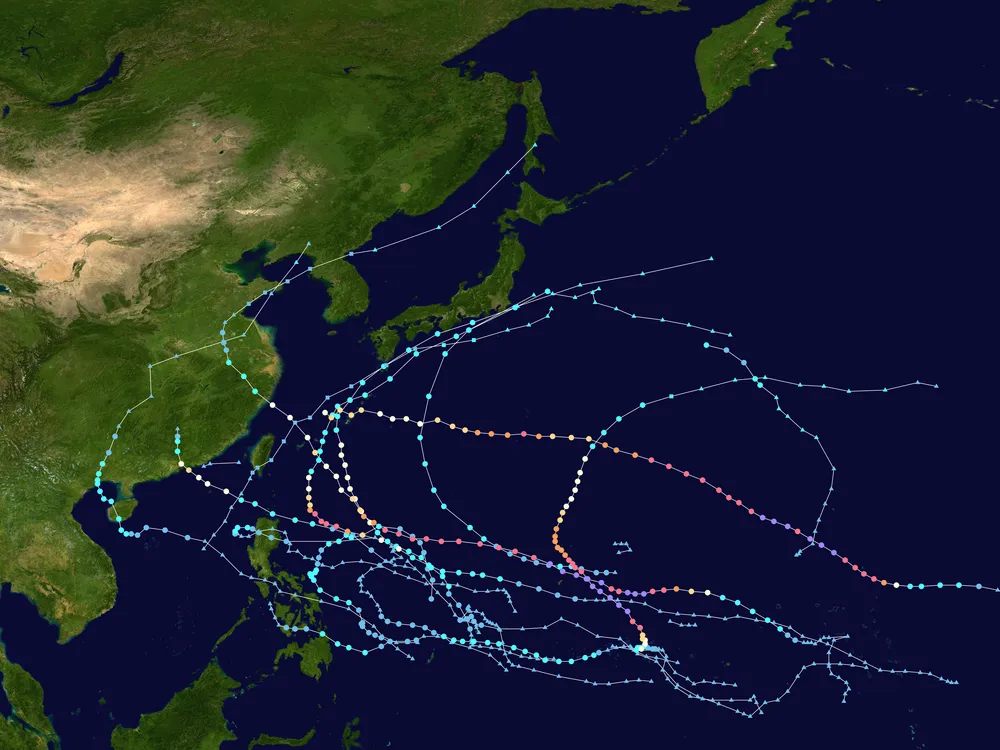
Typhoon Dujuan slammed into Japan’s eastern coast on Thursday, killing at least four people and leaving 22 others wounded. Six residents remain missing after landslides in Chiba Prefecture, while more than 45,000 households lost power and over 460 homes sustained damage from the storm’s forceful winds and heavy rainfall. Emergency services have opened rescue shelters and are conducting search operations in the hardest‑hit areas, but the full extent of the damage is still unfolding.
Dujuan, the latest named storm in the 2026 Pacific typhoon season, reached typhoon strength on Wednesday before making landfall near the Tokyo Bay region. The system tracked west‑southwest, bringing sustained winds of 120 km/h and a central pressure of 970 hPa. Meteorologists note that the typhoon’s trajectory followed a pattern seen in previous seasons, where low‑latitude storms move rapidly toward the Japanese archipelago, often catching coastal communities unprepared for sudden, high‑pressure drops. The rapid onset of the storm compounded the difficulties for local authorities, as evacuation orders were issued late in the day after the storm’s path was confirmed.
The 2026 season has already seen an unusually early start. The first named storm, Nokaen, formed on January 15, breaking a five‑year lull and setting a new record for the earliest named storm in the western Pacific. Since then, several powerful systems have struck the region. Sinlaku, the season’s first typhoon, brushed the Northern Mariana Islands in April, while Bavi and Dolphin both reached super‑typhoon status later in the year, impacting Rota and the Okinawa Islands, respectively. In addition, Tropical Storm Maysak brought catastrophic flooding to southern China, claiming 171 lives. These events have strained disaster‑management resources across the region and highlighted the increasing volatility of tropical cyclones in the context of climate change.
In Japan, the government has declared a state of emergency for several prefectures, including Chiba, Ibaraki, and Tokyo. Power restoration crews are prioritizing critical infrastructure, while the Japan Coast Guard has increased patrols to prevent maritime accidents as heavy seas continue to threaten shipping lanes. Local authorities have also begun debris removal and temporary housing arrangements for those whose homes were damaged or destroyed. The Japanese Meteorological Agency is monitoring Dujuan’s redevelopment potential, warning that the storm could bring additional rainfall to the already saturated region, raising the risk of further landslides.
For the wider region, Dujuan’s impact underscores the vulnerability of East Asian supply chains to tropical cyclone disruptions. Japan’s manufacturing sector, particularly its automotive and electronics industries, relies heavily on just‑in‑time logistics that are susceptible to even brief power outages or shipping delays. Moreover, the typhoon’s path intersected major maritime routes used by container vessels traveling between East Asia and the United States, raising concerns about congestion and safety at sea. For Taiwan, which shares a similar climate profile and has a robust semiconductor export market, the event highlights the need for resilient infrastructure and coordinated disaster response mechanisms across the Pacific basin. Continued monitoring of the 2026 season’s activity will be essential to anticipate future threats and to strengthen regional preparedness.
Produced by our editorial team, with AI assistance in editing.