Two Renoir Paintings Stolen in Nighttime Heist at Cagnes‑sur‑Mer Museum
Police in the southern French town of Cagnes‑sur‑Mer confirmed on Tuesday that two paintings by Pierre‑Auguste Renoir – Jeune Femme au puits and Madame Col
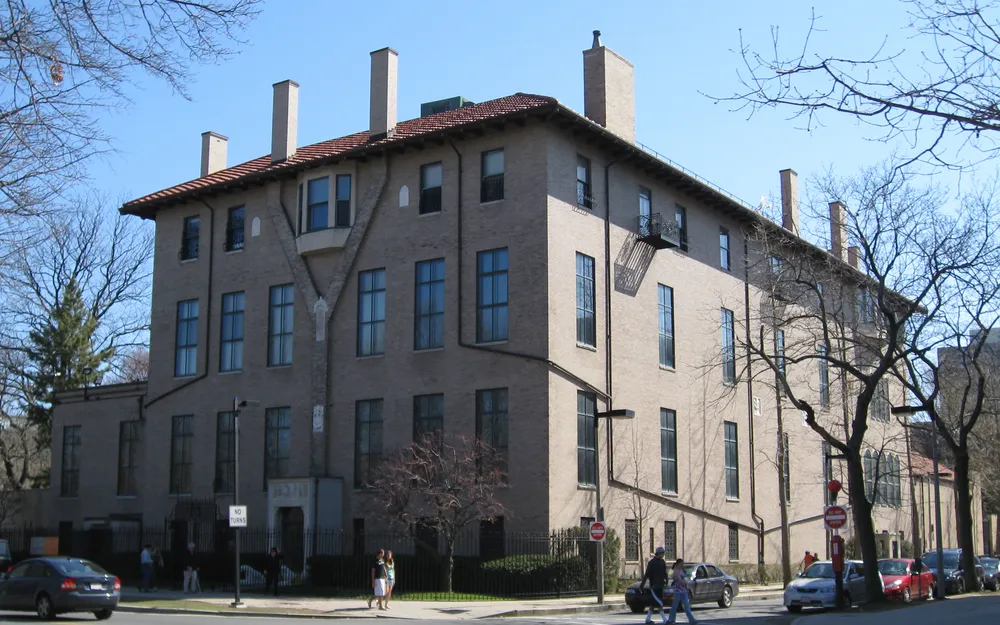
Police in the southern French town of Cagnes‑sur‑Mer confirmed on Tuesday that two paintings by Pierre‑Auguste Renoir – Jeune Femme au puits and Madame Colonna Romano – were stolen from the Musée Renoir during a nighttime break‑in. The heist, which took place on the night of 8 September, is believed to have been carried out by a small, organized group that forced open the museum’s back‑door storage area and walked out with the canvases, valued collectively at around €9 million. Museum officials said the works were discovered missing during a routine inventory check on 9 September, and the local gendarmerie has launched a criminal investigation, treating the case as a “serious art‑theft offence” under French law.
Art theft, though a relatively small proportion of overall crime, poses a unique challenge because stolen works rarely surface on the open market. Instead, they are often hidden in private collections, used as collateral in illicit loans, or trafficked through black‑market channels that span continents. International law‑enforcement bodies, including Interpol’s Art Crime Team and the European Union’s Art Theft Task Force, maintain databases of missing works and coordinate cross‑border investigations. In France, the Central Office for the Fight against Art Crime (OCCP) works closely with local police to trace stolen pieces, but recovery rates remain low – estimates suggest only about one in ten stolen artworks are ever recovered.
The Musée Renoir, a modest municipal museum dedicated to the life and work of the Impressionist master, has been a focal point for scholars and tourists interested in Renoir’s later period. The two stolen canvases, both painted in the early 1880s, are among the museum’s most valuable assets. Museum director Claire Martin expressed disappointment, noting that the loss “strikes at the heart of our mission to preserve and share cultural heritage.” She also emphasized that the museum has enhanced its security protocols in recent years, including upgraded alarm systems and reinforced display cases, but acknowledged that determined thieves can still exploit vulnerabilities in lesser‑known institutions that lack the resources of larger national museums.
French authorities have not yet identified suspects, and the investigation remains in its early stages. Police have appealed to the public for information, offering a reward of €50 000 for tips that lead to the recovery of the paintings. Prosecutors are also examining whether the theft could be linked to broader criminal networks involved in the illicit trade of high‑value art, a market that often overlaps with money‑laundering operations. In previous high‑profile cases, such as the 1990 Isabella Stewart Gardner Museum heist in Boston or the 2004 theft of Edvard Munch’s The Scream, stolen works have resurfaced years later in unexpected contexts, underscoring the difficulty of tracking them once they disappear from public view.
The incident revives longstanding concerns about the protection of cultural assets in an increasingly interconnected world. While the theft does not directly involve Taiwan, it highlights the global nature of art crime—a phenomenon that also affects Asian markets, where high‑profile works are sometimes targeted for smuggling or illicit sale. Taiwan’s own museums and private collectors have faced similar threats, prompting the island’s cultural heritage agencies to collaborate with Interpol and foreign counterparts on information sharing and joint operations. The Cagnes‑sur‑Mer robbery thus serves as a reminder that safeguarding art requires coordinated international effort, and that any lapse in security, whether in a small French town or a major Asian capital, can have reverberating consequences for the preservation of world heritage.
Produced by our editorial team, with AI assistance in editing.