Two Renoir Paintings Stolen from Cagnes‑sur‑Mer Museum Valued at €9 Million
Thieves broke into the Musée Renoir in the coastal town of Cagnes‑sur‑Mer on Tuesday night, making off with two paintings by the 19th‑century Impressionist
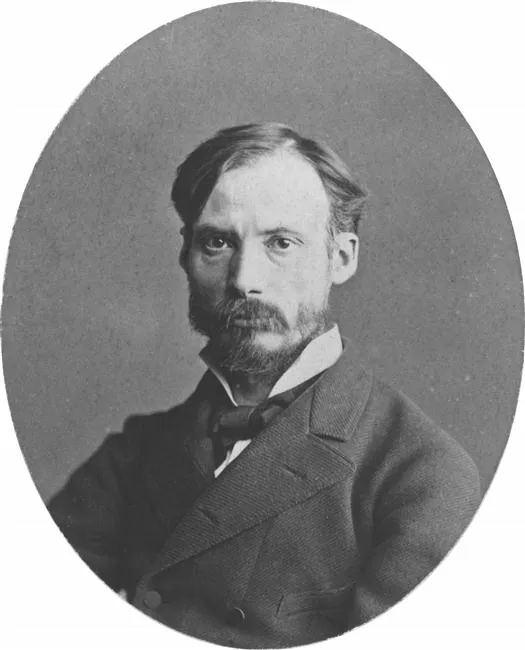
Thieves broke into the Musée Renoir in the coastal town of Cagnes‑sur‑Mer on Tuesday night, making off with two paintings by the 19th‑century Impressionist master Pierre‑Auguste Renoir. The stolen works, a portrait of a young woman and a landscape of the town’s famed promenade, have been valued at roughly €9 million combined. Police were alerted to the breach after an alarm triggered at approximately 02:30 GMT, and a forensic team arrived at the scene before dawn, confirming that the artworks had been removed from their frames and taken through a side door that had been forced open.
The Musée Renoir, housed in the former home of the artist’s grandson, the ceramicist Claude Renoir, is one of the few institutions dedicated exclusively to the painter’s oeuvre. Renoir, whose career spanned the late 1800s and early 1900s, is regarded as a pivotal figure in the development of Impressionism, celebrated for his luminous depictions of feminine beauty that trace a lineage from the Baroque sensibilities of Rubens to the delicate elegance of Watteau. His legacy extends beyond the canvas; he was the patriarch of a family that produced notable figures in film and the visual arts, including actor Pierre Renoir, filmmaker Jean Renoir, and ceramicist Claude Renoir. The museum’s collection, therefore, represents not only artistic achievement but also a tangible connection to the broader cultural contributions of the Renoir dynasty.
French authorities have launched a full‑scale investigation, treating the theft as a “serious cultural crime” that threatens national heritage. The Ministry of Culture has dispatched specialists from the Office of Protection of Cultural Heritage to assist local police, and a notice has been issued through Interpol’s stolen works database. While no group has claimed responsibility, officials note that the method of entry—using a crowbar to pry open a side access panel—suggests a professional operation rather than a spontaneous act of vandalism. “We are working closely with European law‑enforcement partners to trace any potential buyers and to recover the paintings before they disappear into the underground market,” said a spokesperson for the Paris‑based Central Office for the Fight Against Trafficking in Cultural Goods.
The museum’s director, Marie‑Claire Dupont, expressed disappointment but emphasized the institution’s resilience. “Our priority is to safeguard the remaining collection and to reinforce security measures, including upgraded alarm systems and reinforced glazing,” she told reporters. Dupont also highlighted the museum’s role in fostering local tourism, noting that the Renoir house attracts over 150,000 visitors annually, many of whom come to view the very pieces now missing. The theft could have a ripple effect on the town’s economy, as cultural attractions are a key driver of hospitality revenues in the Côte d’Azur region.
Art thefts of this magnitude are not unprecedented in Europe, where black‑market demand for Impressionist masterpieces remains high. Experts warn that stolen works often surface in illicit auctions or are used as collateral in criminal enterprises, complicating recovery efforts. The loss of Renoir’s paintings also raises broader concerns about the protection of cultural assets housed in smaller, regional museums, which typically lack the resources of larger national institutions. In response, the French government has pledged additional funding for security upgrades across provincial museums, a move that may set a precedent for other European nations grappling with similar vulnerabilities.
The incident underscores the fragility of cultural heritage in an era where high‑value artworks are both prized and perilously exposed. While the theft does not directly involve Taiwan, it serves as a reminder to museums worldwide—including those in Taiwan—of the importance of robust security protocols and international cooperation in combating art crime, which can threaten the preservation of global artistic legacies.
Produced by our editorial team, with AI assistance in editing.