Two Giant Pandas Arrive at Atlanta Zoo Following U.S.-China Agreement
Ping Ping and Fu Shuang, two adult giant pandas, arrived this morning at the Atlanta Zoo in Georgia, following a bilateral agreement signed during Chinese
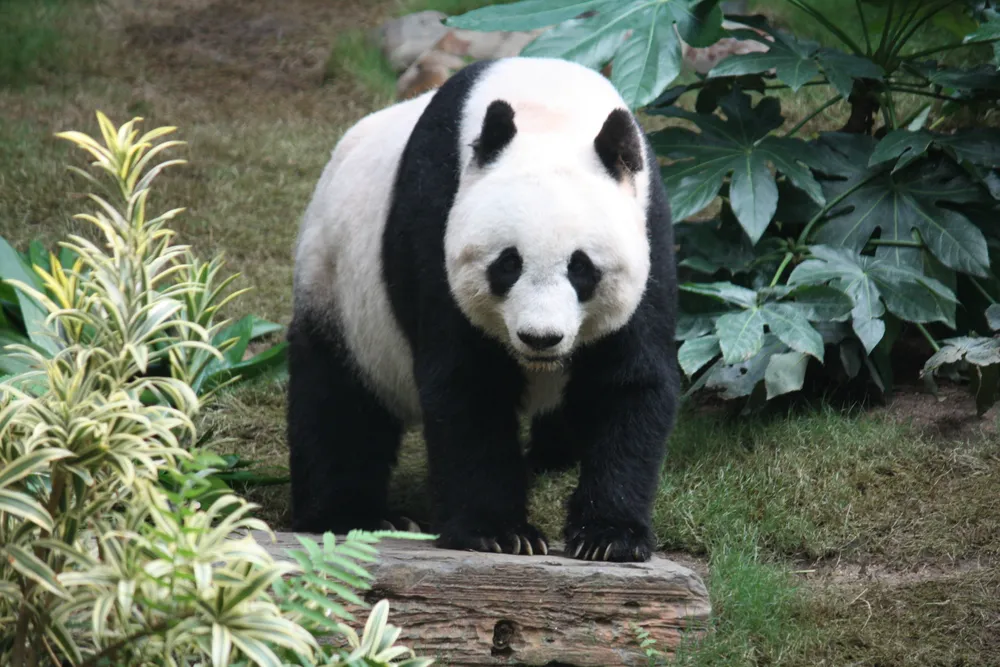
Ping Ping and Fu Shuang, two adult giant pandas, arrived this morning at the Atlanta Zoo in Georgia, following a bilateral agreement signed during Chinese President Xi Jinping’s state visit to the United States last week. The animals were transported by a specially‑equipped cargo flight from Chengdu, China, and are expected to stay in Atlanta for a period of several years, after which they will be returned to their native habitat in Sichuan. The arrival ceremony was attended by zoo officials, U.S. state representatives and a small delegation from the Chinese Ministry of Ecology and Environment.
Giant pandas (Ailuropoda melanoleuca) are large, herbivorous bears endemic to the montane forests of China’s Sichuan, Shaanxi and Gansu provinces. Adult males typically weigh 100‑115 kg (220‑254 lb) and measure 1.2‑1.9 m (3 ft 11 in to 6 ft 3 in) in length, while females are slightly smaller. The species is sexually dimorphic, and its distinctive black‑and‑white coat, enlarged thumb‑like wrist bone, and powerful molars are adaptations to a diet that is almost exclusively bamboo. Pandas are solitary, use scent marks for communication, and have a gestation period of about 95 days, with cubs weaned after 18‑24 months.
The loan of pandas to foreign zoos has been a long‑standing practice of Chinese “panda diplomacy” that dates back to the 1970s. It serves multiple purposes: it raises international awareness of conservation efforts, supports captive breeding programs, and strengthens diplomatic ties. The current agreement continues this tradition, following a similar loan of a panda named “Bai Bai” to the Smithsonian’s National Zoo in Washington, D.C., earlier this year. Under the terms, the United States will provide veterinary care, habitat enrichment, and public education programs, while China will oversee genetic management and eventual repatriation.
China’s position is that the panda loan is a gesture of goodwill and a means to showcase the country’s commitment to wildlife conservation. The Ministry of Ecology and Environment has highlighted the pandas’ role in promoting the “China–United States partnership on biodiversity.” U.S. officials, meanwhile, view the visit as an opportunity to enhance cultural exchange and to reinforce the United States’ reputation as a global leader in conservation science. The agreement also aligns with recent U.S. policy initiatives that encourage collaborative research on endangered species and climate resilience.
The broader significance of the panda arrival extends beyond the zoo’s walls. Public interest in the animals is likely to boost attendance and funding for conservation programs, providing a platform for research on breeding, nutrition, and disease management that can benefit other endangered species. In the geopolitical arena, the loan underscores the potential for soft‑power diplomacy to complement hard‑talk negotiations, particularly as the United States and China navigate trade, technology, and security issues. For the region, the event reinforces the importance of transnational cooperation in safeguarding biodiversity, a critical component of global ecological stability.
Produced by our editorial team, with AI assistance in editing.