
Two Dead and 35 Injured in Georgia Homecoming Block Party Mass Shooting
At least two people were killed and 35 others injured late Saturday following a mass shooting at a homecoming block party in Vienna, a small rural communit
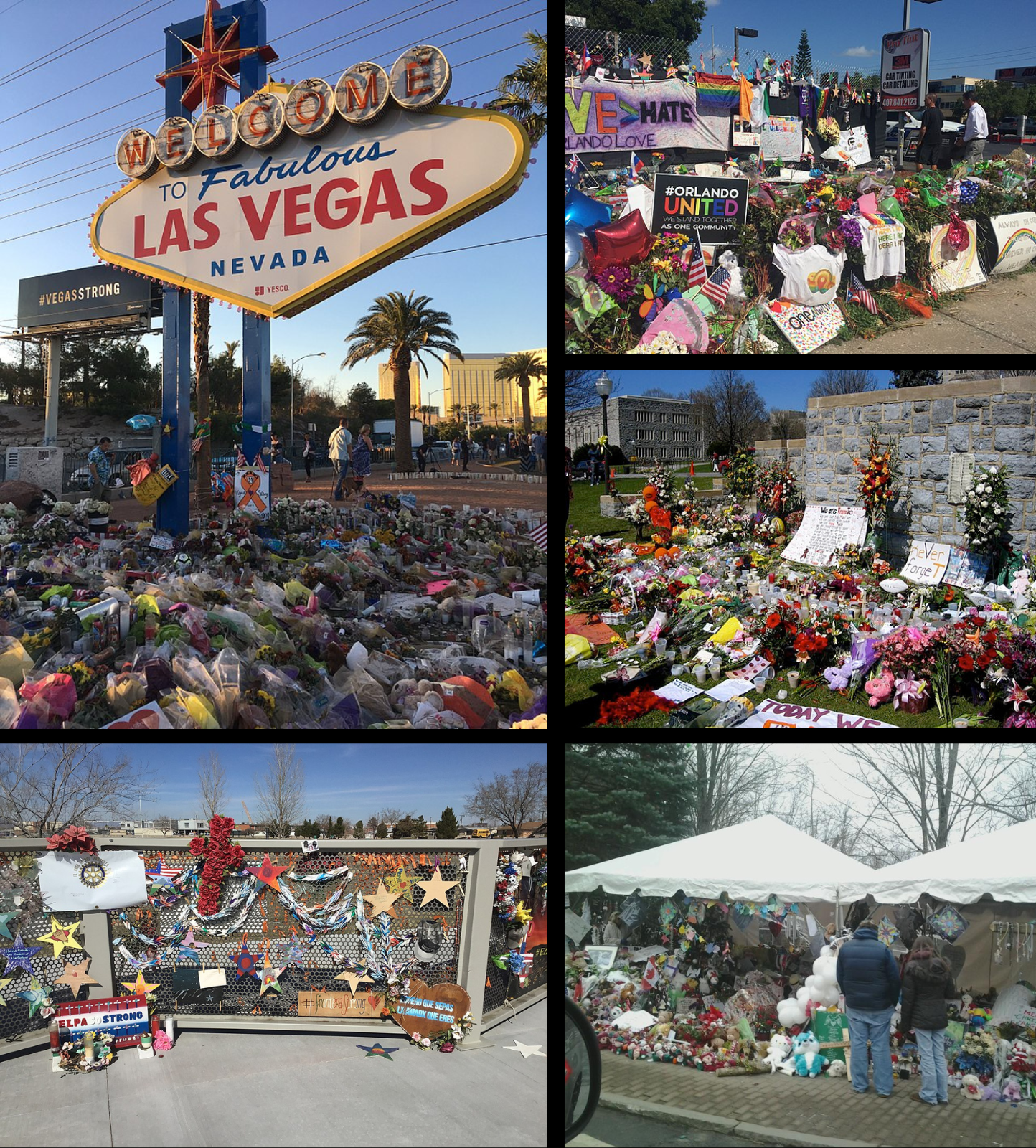
At least two people were killed and 35 others injured late Saturday following a mass shooting at a homecoming block party in Vienna, a small rural community in the U.S. state of Georgia. According to local law enforcement, gunfire erupted amid a large crowd gathered for seasonal celebrations, sending attendees fleeing for cover. Emergency responders transported numerous victims to nearby hospitals with injuries ranging from minor to critical, while investigators launched a manhunt for suspects believed to have been involved in the exchange of fire.
The tragedy underscores a persistent and complex public safety challenge in the United States, where firearm violence frequently disrupts community gatherings. While mass shootings are defined in various ways—often by the number of casualties or the context of the violence—criminologists and public health researchers generally categorize public mass shootings as incidents involving multiple victims of firearm violence outside of standard criminal enterprises like robberies or gang turf wars.
Data compiled by researchers over the past several decades indicates that the United States experiences a disproportionate share of such public attacks compared to other high-income nations. Studies examining global firearm incidents between 1966 and 2012 revealed that nearly one-third of all public mass shootings occurred within the U.S., a trend that continued into subsequent years. Criminologists attribute this disparity to a confluence of factors, including widespread access to firearms, individual psychological vulnerabilities such as acute suicidality, and sociocultural dynamics including the societal contagion effect often amplified by media coverage.
At the same time, establishing comprehensive statistical generalizations remains difficult due to the absence of a universal, standardized definition for mass shootings. Different law enforcement agencies, research bodies, and advocacy groups utilize varying criteria regarding casualty thresholds and incident contexts, often leading to discrepancies in public databases. Furthermore, gaps in historical reporting and potential biases in data collection continue to complicate efforts by policymakers to formulate evidence-based prevention strategies.
For international observers, recurring incidents of domestic gun violence in the United States highlight ongoing vulnerabilities within the social fabric of the world's largest economy. While such events are primarily domestic socio-legal issues without direct bearing on international supply chains or cross-border trade, they frequently prompt global discussions regarding public safety standards, emergency response coordination, and the societal costs associated with civilian firearm ownership in Western democracies.
Produced by our editorial team, with AI assistance in editing.