Tuareg ALF frees 22 Malian soldiers in major prisoner swap
The Azawad Liberation Front (ALF), a Tuareg‑led insurgent group operating in northern Mali, announced on Monday that it had freed 22 Malian soldiers, some
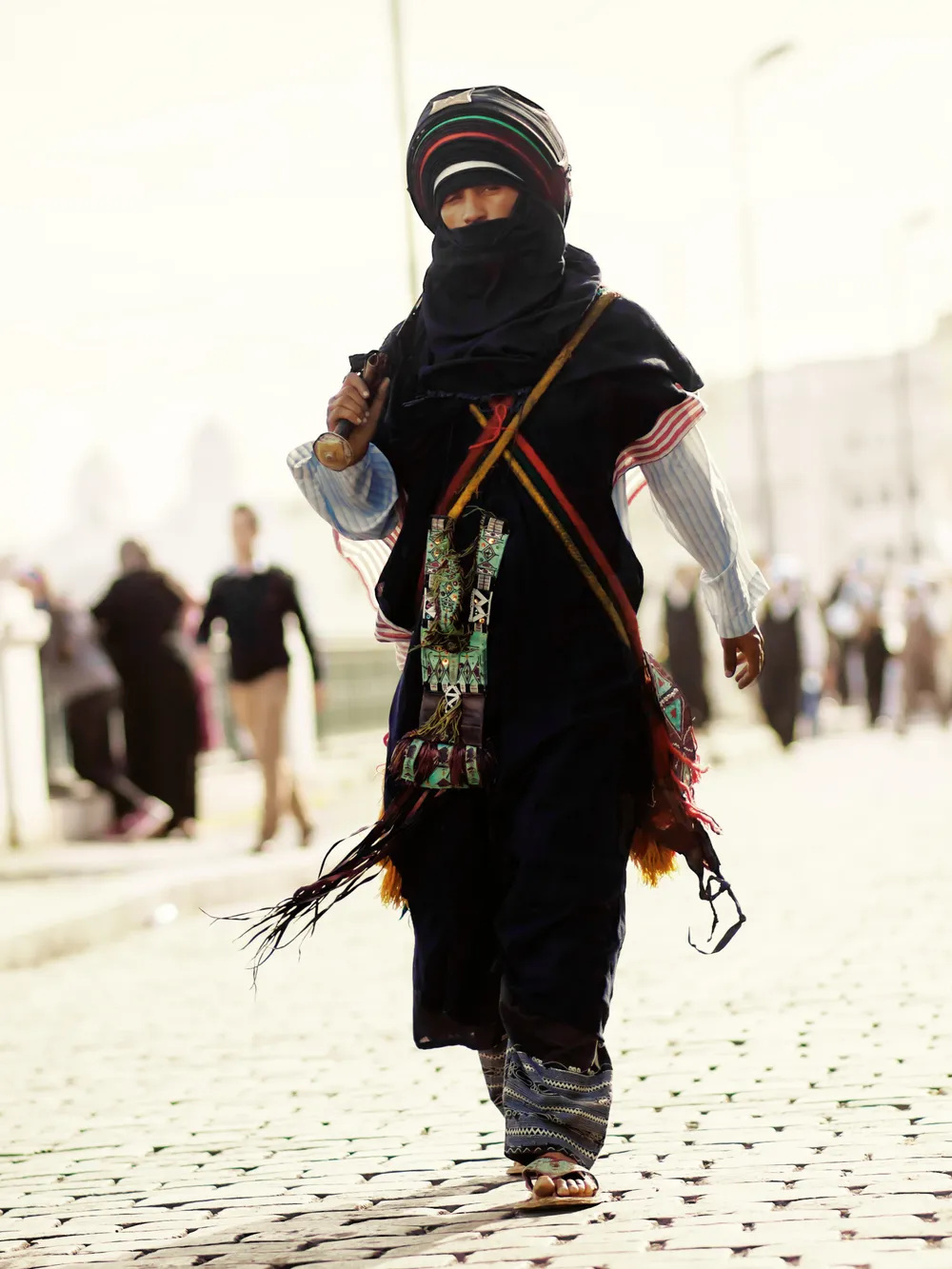
The Azawad Liberation Front (ALF), a Tuareg‑led insurgent group operating in northern Mali, announced on Monday that it had freed 22 Malian soldiers, some of whom had been held for more than three years, in a prisoner‑exchange deal that also saw at least eight of its fighters and several civilian detainees transferred to Malian custody. The exchange, brokered through intermediaries in the capital Bamako, marks the most substantial release of government troops since a 2022 cease‑fire agreement collapsed amid renewed fighting in the Azawad region.
The ALF’s actions must be understood against a backdrop of decades‑long tension between the Tuareg, a traditionally nomadic Berber‑speaking people spread across the Sahara, and successive Malian governments. The Tuareg’s social organization, rooted in clan and tribal affiliations, has historically oscillated between periods of relative autonomy and state‑led integration efforts. Since the early 1990s, successive rebellions have sought greater self‑determination for the Tuareg‑populated north, known as Azawad, citing marginalisation, underdevelopment, and the central government’s failure to honour earlier peace accords. The 2012 declaration of independence by a coalition of Tuareg groups, followed by a brief period of de‑facto control before French‑backed forces intervened, left a legacy of mistrust that continues to shape negotiations today.
Mali’s current administration, which came to power after a 2020 military coup and has since faced international sanctions, maintains that the release of its soldiers is a humanitarian imperative and a confidence‑building step toward broader reconciliation. Government spokespeople have emphasised that the exchange does not signal a concession on the ALF’s political demands, but rather reflects a pragmatic response to mounting pressure from the United Nations peacekeeping mission (MINUSMA) and regional bodies urging de‑escalation. By securing the return of its troops, the state hopes to reinforce its authority in the north and demonstrate a willingness to engage with armed groups on humanitarian grounds, even as it prepares for a slated national dialogue on decentralisation later this year.
For the ALF, the exchange serves multiple strategic purposes. Repatriating its fighters and civilian detainees is presented as a moral victory that underscores the group’s claim to represent the interests of the Tuareg community, especially those who have been incarcerated without trial. The release also provides the ALF with a morale boost among its rank‑and‑file and a tangible bargaining chip for future negotiations over political autonomy, resource sharing, and the integration of former combatants into civilian life. Analysts note that the group’s willingness to negotiate, rather than continue armed confrontation, may reflect a broader recalibration in response to dwindling external support and the fatigue of prolonged conflict among local populations.
The broader implications of the deal extend beyond Mali’s borders. The Sahel’s instability has long disrupted trans‑Saharan trade routes and threatened the extraction of minerals such as uranium, gold, and lithium—resources increasingly critical to global technology supply chains. While Taiwan’s semiconductor industry does not directly source these commodities from the region, any escalation in the Sahel could reverberate through global markets, potentially affecting the price and availability of raw materials used in electronic components. Moreover, the successful mediation of a prisoner exchange may offer a modest template for conflict resolution in other parts of Africa, where insurgent groups and fragile states grapple with similar dilemmas of security, governance, and resource allocation. For the international community, including Taiwan’s diplomatic corps, the development underscores the importance of supporting inclusive political processes that can mitigate the spill‑over effects of regional insecurity on global economic and security interests.
Produced by our editorial team, with AI assistance in editing.