
Tropical Depression Six strengthens into Tropical Storm Fay in quiet Atlantic season
The National Hurricane Center has reported that Tropical Depression Six has strengthened into Tropical Storm Fay, making it the sixth named storm of the cu
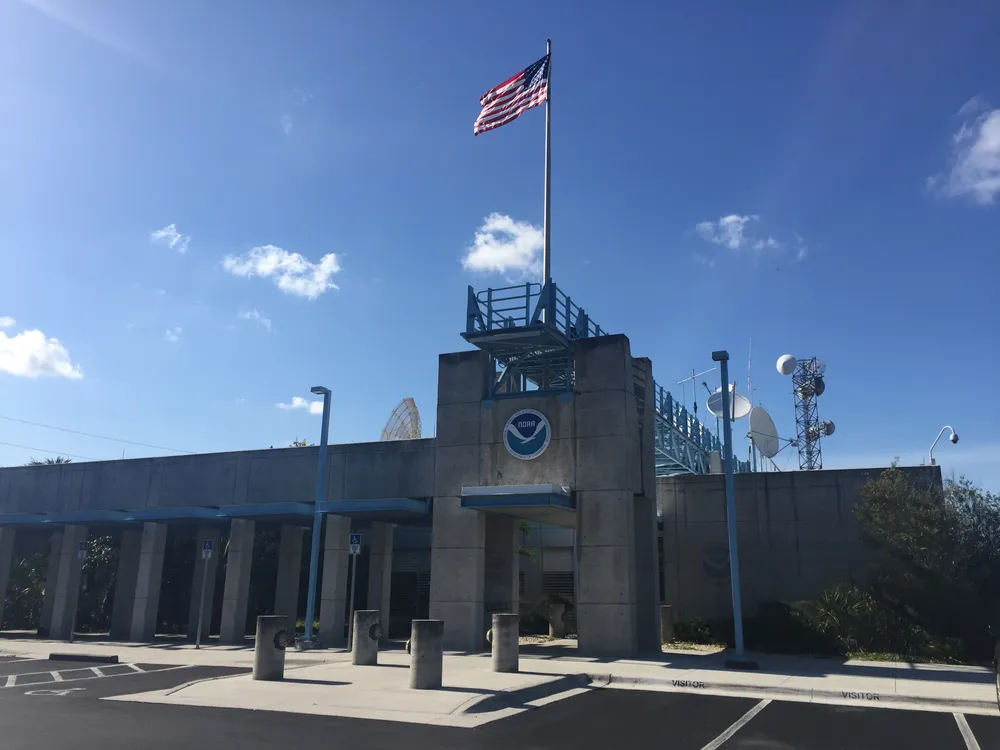
The National Hurricane Center has reported that Tropical Depression Six has strengthened into Tropical Storm Fay, making it the sixth named storm of the current Atlantic hurricane season. According to forecasters at the agency, the system consolidated over the open waters of the Atlantic, defying a season that has otherwise experienced notably subdued activity.
This unexpected development occurs against the backdrop of an unusually quiet Atlantic hurricane season, a trend heavily influenced by prevailing El Niño conditions. Typically, El Niño phases generate increased wind shear across the tropical Atlantic, which tends to tear apart developing storm systems and suppress overall tropical activity. The emergence of Fay highlights the complex and sometimes unpredictable nature of meteorological patterns, demonstrating that active systems can still materialize during otherwise suppressed seasons.
The monitoring and classification of Fay are led by the National Hurricane Center (NHC), an operational division of the United States National Oceanic and Atmospheric Administration (NOAA) and the National Weather Service. Headquartered on the campus of Florida International University in Miami, the agency is tasked with tracking, analyzing, and forecasting tropical weather systems across the Atlantic and Northeast Pacific basins. Its specialized units, including the Tropical Analysis and Forecast Branch and aerial reconnaissance coordinators, continuously gather atmospheric data to issue timely advisories for marine and coastal regions.
While individual storms like Tropical Storm Fay are primarily regional meteorological events for the Americas and the Atlantic basin, shifts in global climate dynamics and extreme weather patterns carry broad implications for international logistics, maritime commerce, and supply chain resilience. As climate variability increasingly disrupts traditional seasonal norms across both the Atlantic and the Indo-Pacific, governments and industries worldwide are forced to adapt their disaster preparedness frameworks to protect critical maritime trade routes and infrastructure against more erratic meteorological phenomena.
Produced by our editorial team, with AI assistance in editing.