
Tropical Depression Six Forms in Eastern Atlantic Amid Slow Hurricane Season
Meteorologists have confirmed the formation of Tropical Depression Six in the eastern Atlantic Ocean, located several hundred miles west-southwest of the A
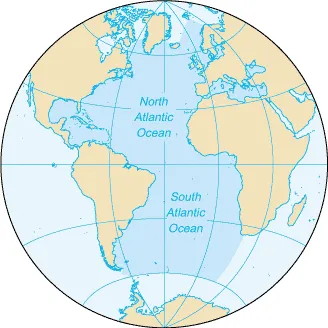
Meteorologists have confirmed the formation of Tropical Depression Six in the eastern Atlantic Ocean, located several hundred miles west-southwest of the Azores. The system developed amid unusual environmental conditions that have characterized the current Atlantic hurricane cycle, which has experienced a significantly subdued level of activity so far this season compared to historical averages.
The emergence of the depression highlights a stark contrast to recent, highly active hurricane seasons. Forecasters attribute the current lull primarily to the persistent influence of El Niño, a climate pattern originating in the equatorial Pacific Ocean that triggers widespread atmospheric changes. During El Niño years, strengthened upper-level westerly winds typically sweep across the tropical Atlantic, generating severe wind shear that disrupts the vertical development of nascent tropical storms and prevents them from organizing into powerful hurricanes.
Despite the broader dampening effect of El Niño, warm surface waters in specific sectors of the Atlantic continue to provide the thermal energy necessary for tropical systems to form. Weather agencies and maritime authorities are closely monitoring Tropical Depression Six as it tracks slowly across the open ocean. While current computer models suggest the system poses no immediate threat to major landmasses or vital shipping lanes, forecasters note that localized atmospheric shifts could alter its trajectory and intensity over the coming days.
The dynamics governing the Atlantic basin remain a subject of intense study for climatologists, particularly as oceanic temperatures fluctuate under the influence of global climate change. Historically, the vast expanse of the Atlantic has served as a primary corridor for maritime trade, geopolitical movement, and ecological exchange since the early centuries of global navigation. Today, monitoring systems placed across this oceanic highway are essential for protecting coastal infrastructure, maritime commerce, and island communities from the sudden onset of severe tropical weather.
Produced by our editorial team, with AI assistance in editing.