
Tooro Kingdom Holds Final Rites for Late Omukama Rukidi IV 2026
The Kingdom of Tooro in western Uganda held its final rites for the late Omukama Rukirabasaija Oyo Nyimba Kabamba Iguru Rukidi IV on 28 August 2026, the da
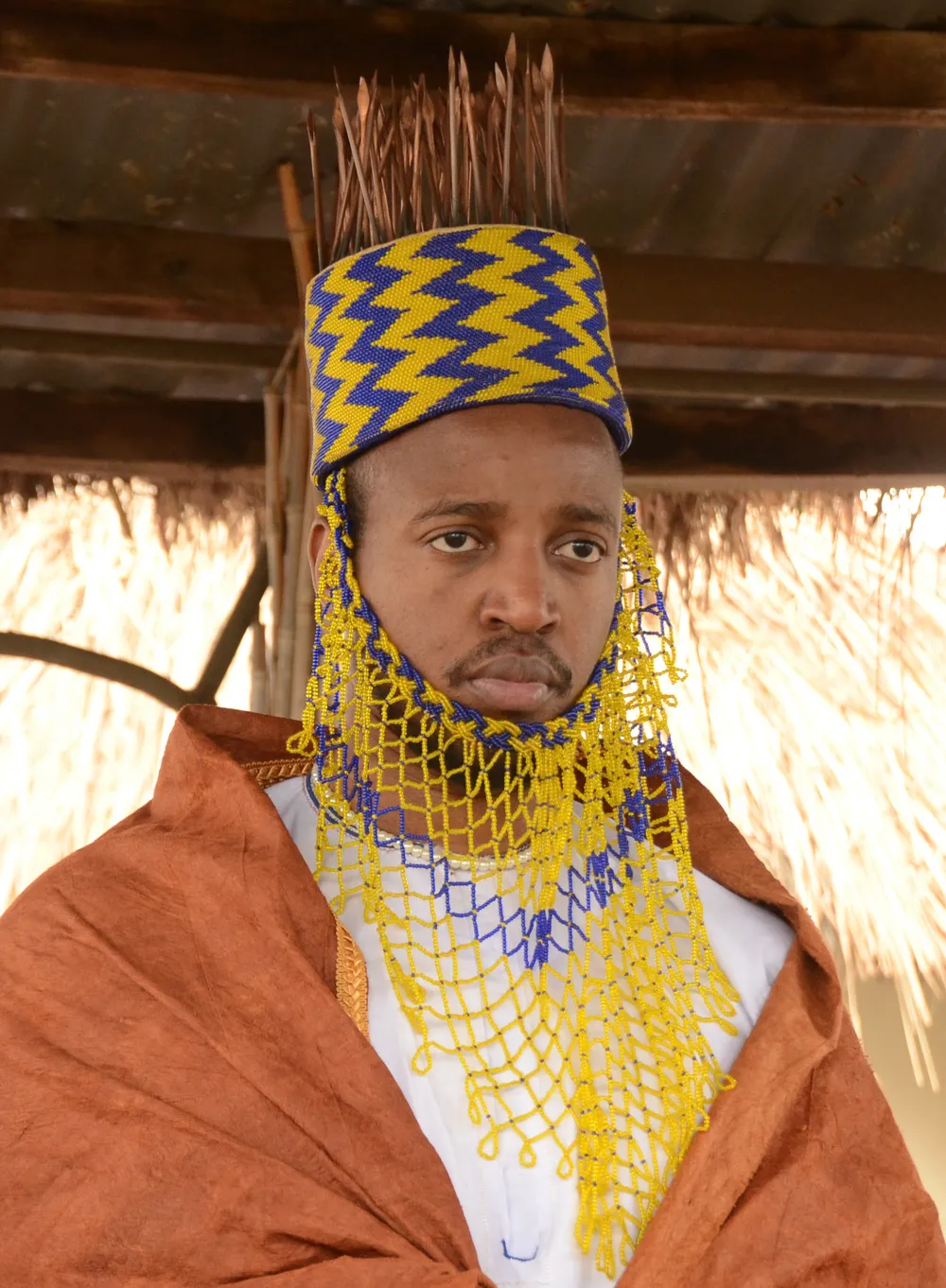
The Kingdom of Tooro in western Uganda held its final rites for the late Omukama Rukirabasaija Oyo Nyimba Kabamba Iguru Rukidi IV on 28 August 2026, the day after his passing. The burial, conducted at the royal palace grounds near the town of Mbarara, drew a procession of more than a thousand mourners, including government officials, regional dignitaries and representatives from Uganda’s other traditional kingdoms. Ceremonies stretched into the evening, featuring traditional drumming, chanting and the customary offering of symbolic gifts to the deceased ruler’s spirit.
Rukidi IV had ascended the throne of Tooro in 1995, when he was just three years old, making him the world’s youngest reigning monarch at that time. He was the twelfth child of Omukama Patrick David Matthew Kaboyo Rwamuhokya Olimi III and Omugo Best Kemigisa, and he inherited a kingdom that traces its roots back to the early 18th‑century Bunyoro‑Kitara Empire. During his thirty‑one years of rule, he steered Tooro through a period of significant social and economic change, championing initiatives to improve rural education, promote eco‑tourism along the Rwenzori foothills, and strengthen ties between the kingdom’s traditional institutions and Uganda’s national government. His reign was noted for a careful balance between preserving customary rites and embracing modern governance practices.
The Tooro Kingdom, one of Uganda’s six recognized traditional monarchies, occupies a distinct place in the country’s cultural mosaic. Unlike the more politically influential Buganda Kingdom, Tooro’s power has largely been symbolic, yet it remains a vital custodian of local customs, land rights and historical memory. Rukidi IV’s burial underscores the enduring relevance of these institutions, even as Uganda’s political landscape continues to evolve. The funeral rites, which included the burning of a traditional “sacred fire” and the distribution of “royal libations,” were broadcast on national television, allowing citizens across the country to pay tribute to a monarch who had become a household name.
In the weeks following the ceremony, several regional leaders spoke of the importance of respecting cultural heritage amid rapid urbanisation and economic development. The Ugandan Minister of Tourism highlighted how the Tooro Kingdom’s promotion of cultural tourism had contributed to the country’s foreign‑exchange earnings, while a spokesperson for the East African Community emphasised the role of traditional institutions in fostering inter‑regional dialogue. Rukidi IV’s funeral also prompted a renewed discussion about land‑use planning in the Rwenzori region, where the kingdom’s ancestral lands overlap with areas earmarked for hydro‑electric projects and conservation initiatives.
Although the event bears no direct link to Taiwan, it reflects broader trends that resonate across the region. The careful stewardship of cultural sites, the integration of traditional governance structures into national policy, and the use of heritage tourism as a development tool are all strategies being explored by other African states. For the wider region, the burial of Rukidi IV serves as a reminder that preserving historical continuity can coexist with modern economic ambitions, offering a model for balancing progress with cultural identity.
Produced by our editorial team, with AI assistance in editing.
