
Tokyo Court Rules Voice Has Publicity Rights in Landmark Deepfake Case
In a landmark legal ruling, the Tokyo District Court has determined that an individual's voice is legally entitled to protection under the right of publici
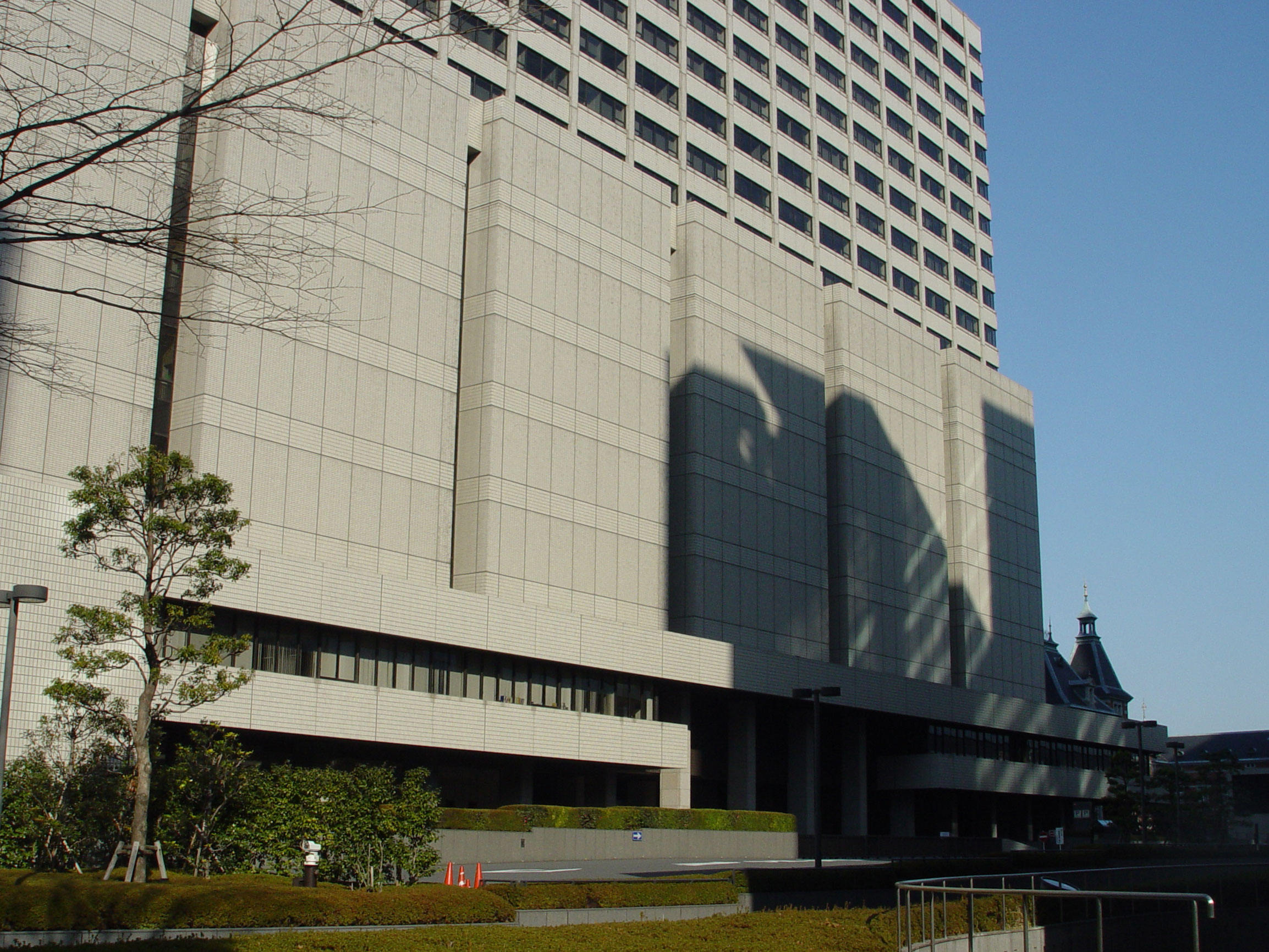
In a landmark legal ruling, the Tokyo District Court has determined that an individual's voice is legally entitled to protection under the right of publicity, marking Japan’s first judicial decision addressing the contentious issue of audio deepfakes. The ruling stems from a lawsuit filed by prominent Japanese actor and voice actor Kenjiro Tsuda, who sought legal action over unauthorized AI-generated replicas of his vocal likeness. While the court formally recognized the distinct commercial and personal value inherent in a person's voice, it ultimately dismissed Tsuda’s specific request for an injunction to remove the disputed TikTok videos, noting that the content in question had already been deleted by the operator before the judgment was rendered.
The case brought to the forefront the growing legal vulnerabilities performers face in the era of generative artificial intelligence. Tsuda, renowned for his distinctive, deep voice featured in numerous high-profile anime series and live-action projects, filed the lawsuit after discovering that audio clips of his voice had been synthesized and used without his consent on social media platform TikTok. His legal team argued that the unauthorized replication infringed upon his right of publicity—a legal doctrine traditionally applied to a person's name, likeness, or image to prevent commercial exploitation without permission.
In its decision, the Tokyo District Court expanded the scope of existing publicity rights, acknowledging that a recognized public figure’s voice possesses independent economic and personal value that warrants legal safeguarding against unauthorized digital simulation. This judicial stance signals a notable shift in Japanese jurisprudence, as courts grapple with rapid technological advancements that allow bad actors to easily clone voices using machine learning tools. Although the dismissal of the injunction request means no direct removal order was issued in this specific instance, the establishment of the legal principle itself is viewed by intellectual property experts as a significant victory for performing artists.
The broader implications of the Tokyo District Court’s ruling extend far beyond the entertainment industry, carrying significant weight for global trade, intellectual property rights, and the security of digital supply chains in the Indo-Pacific region. As advanced AI tools lower the barrier to generating convincing deepfakes of public figures, political leaders, and corporate executives, the lack of robust regulatory frameworks has posed mounting risks of fraud, misinformation, and intellectual property theft. By formally extending publicity rights to vocal likenesses, Japan has taken a pioneering step in judicial adaptation, offering a potential blueprint for other regional economies seeking to balance rapid technological innovation with the legal protection of personal identity and digital assets.
Produced by our editorial team, with AI assistance in editing.