
Three Dead, Four Hurt in Detroit Strip Club Shooting; Shooter Arrested.
Three men were killed and four others injured in a gun‑fire incident that erupted after a confrontation at a strip club in Detroit, Michigan, on Saturday.
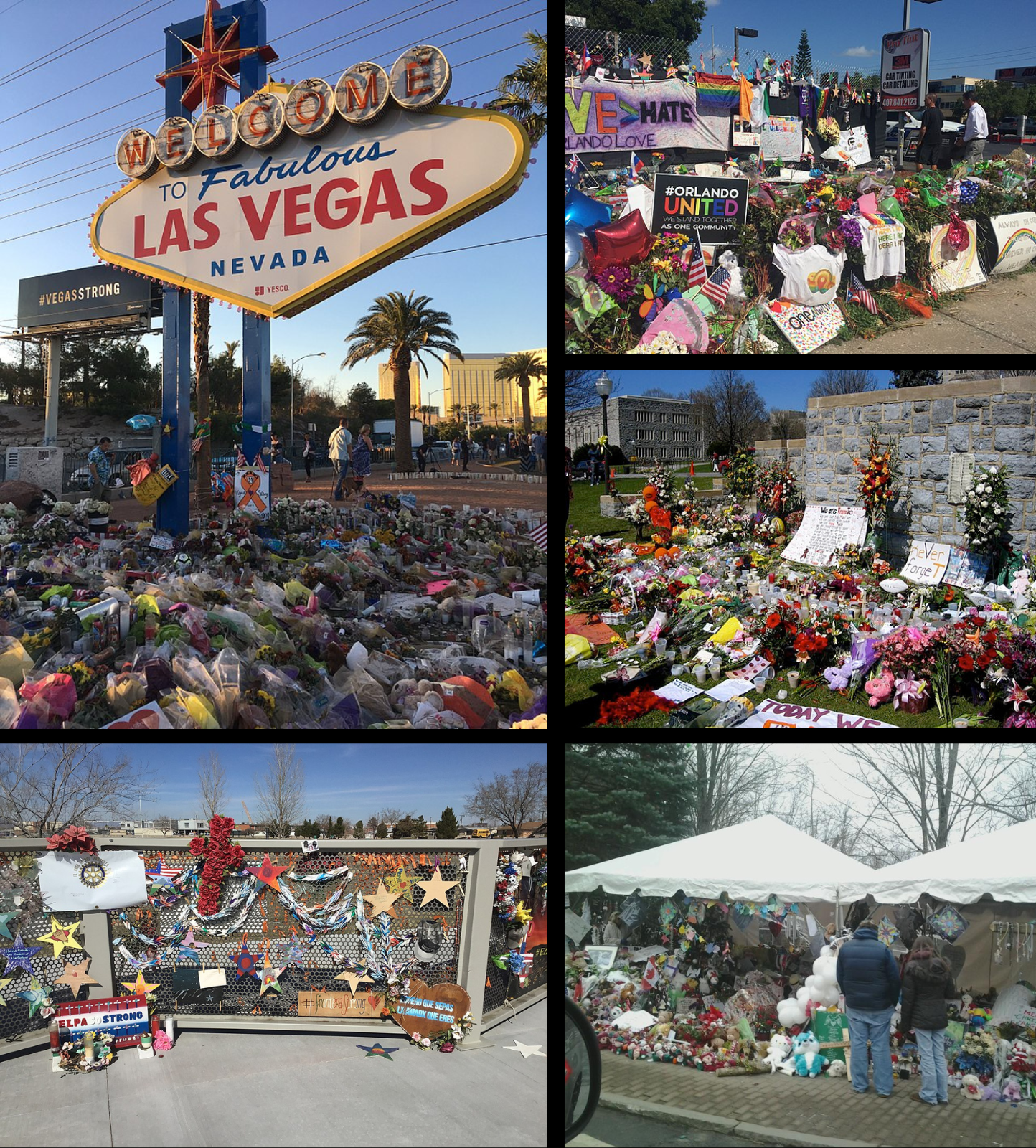
Three men were killed and four others injured in a gun‑fire incident that erupted after a confrontation at a strip club in Detroit, Michigan, on Saturday. Police arrived shortly after 10 a.m. and found the scene littered with spent rounds. The victims, all male, were identified as local residents; the injured were taken to nearby hospitals with non‑life‑threatening wounds. The shooter, who was apprehended on the scene, remains in custody pending charges. No motive has yet been disclosed, and investigators are combing through surveillance footage to determine what sparked the altercation.
Mass shootings—defined by scholars as public firearm violence that results in at least four deaths, excluding gang or domestic violence incidents—have become a frequent feature of the United States' public safety landscape. A 2016 study found that almost one‑third of the world's public mass shootings between 1966 and 2012 occurred in the United States. In 2017, The New York Times reported that the same number of incidents had taken place over the same period, underscoring a persistent pattern. These statistics reflect the United States’ unique combination of widespread firearm availability, sociocultural factors, and, in many cases, the personal histories of perpetrators. While each incident has its own specifics, the broader trend illustrates the challenges that policymakers and communities face in curbing gun violence.
Detroit’s nightlife scene has long been a patchwork of venues that attract a diverse clientele, yet it has also been a site of recurring disputes over security and crowd control. The club in question had reportedly been involved in prior disputes, though none had escalated to the scale seen this week. The altercation that led to the shooting began as a verbal exchange that quickly turned physical. Witnesses described a chaotic environment in which patrons and staff were caught in the crossfire, prompting emergency services to deploy quickly to contain the violence and provide medical assistance.
City officials and law enforcement agencies have responded with calls for calm and cooperation with the investigation. Detroit Police Commissioner James R. Brown issued a statement urging residents to remain vigilant and to report any information that could assist in the ongoing probe. Mayor Mike Duggan reiterated that the city remains committed to ensuring public safety and to addressing the root causes of such violence. The incident has also drawn attention from the Michigan Department of Corrections, which has highlighted the need for better monitoring of individuals with a history of firearm offenses.
While the incident is local in scope, it feeds into a broader international conversation about gun control, public safety, and the regulation of firearms. Taiwan, for instance, maintains stringent gun‑ownership laws and has a relatively low incidence of gun violence, but it remains attentive to global trends that may influence domestic policy. The Detroit shooting underscores the challenges of enforcing firearm regulations in contexts where weapons are easily accessible. It also highlights the importance of international cooperation in monitoring and curbing the illicit flow of firearms, a matter that affects not only the United States but also countries worldwide that rely on secure supply chains for defense and law‑enforcement equipment. The tragedy serves as a stark reminder that the global community must continue to address the complex interplay of social, economic, and policy factors that contribute to gun‑related violence.
Produced by our editorial team, with AI assistance in editing.