
Tens of thousands rally in Tehran to demonstrate national unity amid regional tensions.
Tens of thousands of demonstrators gathered in the Iranian capital of Tehran on Tuesday in what state media termed the largest pro-government rally since t
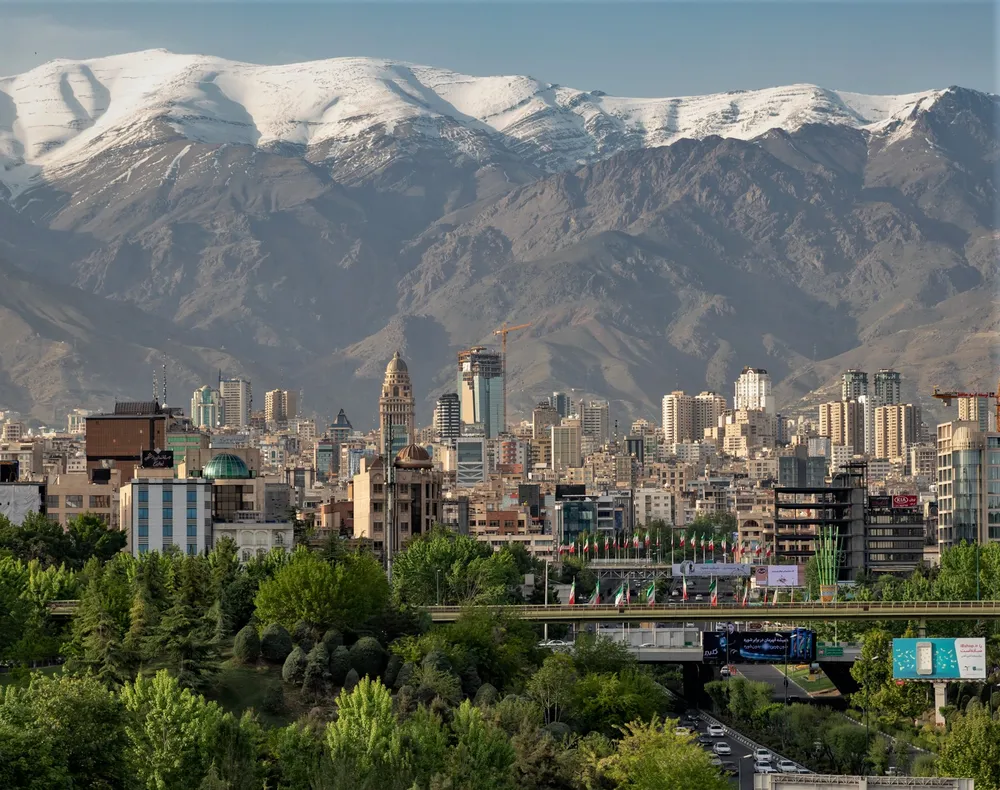
Tens of thousands of demonstrators gathered in the Iranian capital of Tehran on Tuesday in what state media termed the largest pro-government rally since the outbreak of the current conflict on February 28. Waving national flags and chanting slogans in support of the administration, the massive crowds converged on central squares to project national unity amid escalating regional tensions. The demonstration follows weeks of sustained military and economic pressure stemming from the hostilities, which have severely strained the nation's infrastructure and heightened anxieties across the metropolitan area.
Home to a population of approximately nine million within the city proper and over sixteen million in the greater metropolitan area, Tehran serves as the political and administrative heart of Iran. The city has historically functioned as the nerve center for the country's ruling apparatus since it was first designated as the national capital in 1786 by Agha Mohammad Khan, founder of the Qajar dynasty. Situated near the historic site of ancient Rhages—now absorbed into the sprawling capital as the Rey district—modern Tehran has repeatedly found itself at the epicenter of major geopolitical shifts throughout Iranian history.
State organizers utilized Tuesday's gathering to rally public support behind the government's official stance, portraying the military engagement as a defense of national sovereignty against external aggression. Official broadcasts emphasized the resilience of the urban populace, framing the high turnout as a definitive rejection of foreign pressure. Independent observers note that while the state retains a robust capacity to mobilize supporters in the capital, the broader population remains deeply divided over the economic fallout and the prolonged trajectory of the conflict.
Conversely, critics and opposition groups outside the country view the government-backed mobilization as a choreographed effort to mask growing domestic discontent. Life within the Greater Tehran region—spanning municipalities from Eslamshahr to Pardis—has grown increasingly difficult as supply chains face disruption and inflation surges. While public dissent is tightly controlled by security forces, underlying economic grievances continue to simmer beneath the surface of the capital's tightly managed public displays.
For the wider Middle East, the hardening of political positions inside Iran's primary urban center signals that a swift diplomatic resolution to the February 28 war remains unlikely. As Tehran's administration leverages mass rallies to reinforce its domestic legitimacy, the potential for prolonged regional instability increases. This sustained volatility directly threatens critical maritime trade routes in the Persian Gulf and energy supplies originating from the broader region, carrying significant implications for global economic stability and international security frameworks.
Produced by our editorial team, with AI assistance in editing.