Targeted Drone Strike in Sudan's Nyala Kills at Least 21 Civilians
At least 21 people were killed and 40 others wounded following a targeted drone strike in the densely populated city of Nyala, located in Sudan’s western D
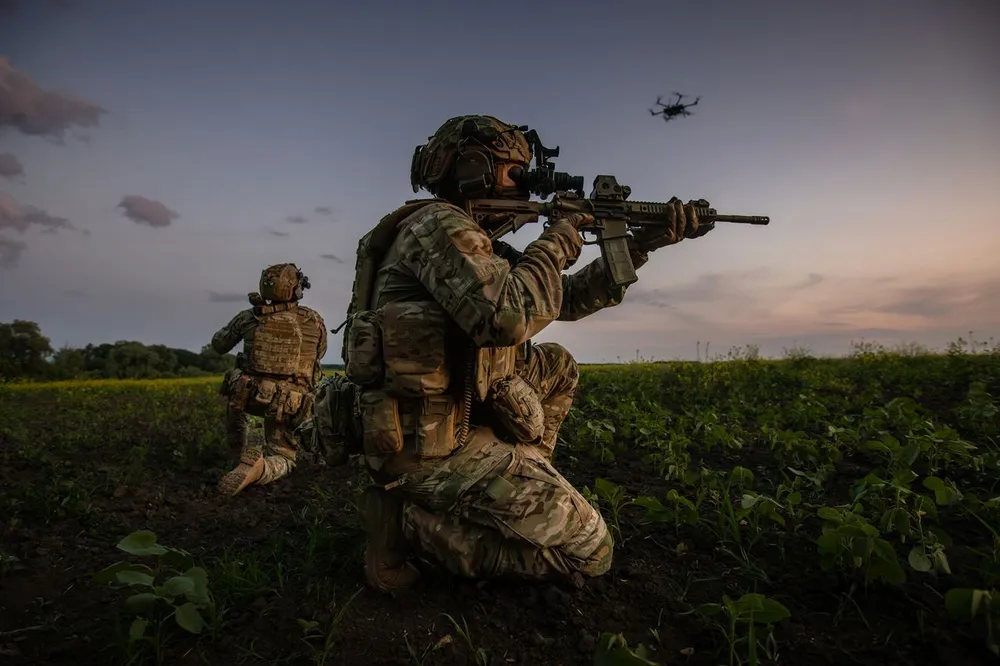
At least 21 people were killed and 40 others wounded following a targeted drone strike in the densely populated city of Nyala, located in Sudan’s western Darfur region. The attack, which struck a bustling residential and commercial area, highlights the escalating human toll of the ongoing civil conflict between the Sudanese Armed Forces (SAF) and the paramilitary Rapid Support Forces (RSF). Local medical personnel and humanitarian monitors confirmed that the casualties include numerous civilians, adding to an already catastrophic humanitarian crisis that has displaced millions since fighting erupted in April 2023.
The deployment of unmanned aerial systems in Nyala reflects a broader, lethal evolution in modern warfare tactics across the African continent. Unmanned aerial vehicles—ranging from sophisticated military-grade combat drones to weaponized commercial platforms adapted for reconnaissance and strike missions—have increasingly become a defining feature of the Sudanese conflict. These systems serve as expendable force multipliers, allowing warring factions to project power across vast distances, conduct targeted operations, and bypass traditional logistical constraints while significantly increasing the exposure of non-combatants to high-explosive ordnance.
The conflict in Sudan fundamentally pits the SAF, representing the formal state military, against the RSF, a powerful paramilitary outgrowth of the former Janjaweed militias. Both sides have sought to leverage technological advancements in asymmetric warfare to gain operational ascendancy in strategic hubs like Nyala, a critical economic lifeline in Darfur. As the threshold for acquiring and deploying unmanned technology lowers globally—with various state and non-state actors utilizing remote-controlled or semi-autonomous platforms—urban centers have increasingly borne the brunt of precision-guided and loitering munitions strikes.
International monitors and human rights organizations have repeatedly condemned the indiscriminate use of explosive weapons in populated areas by both belligerents, noting persistent violations of international humanitarian law. Despite mounting international pressure, diplomatic mediation efforts led by regional and international bodies have struggled to secure a lasting ceasefire. The proliferation of aerial drones among rival factions complicates traditional peacekeeping and humanitarian intervention, as supply lines remain contested and civilian infrastructure continues to be systematically degraded.
While the conflict in Sudan is rooted in distinct domestic political and ethnic dimensions, the widespread proliferation and accessibility of modern drone warfare carry profound implications for global security and stability. The normalization of unmanned aerial strikes in asymmetric conflicts demonstrates how rapidly military technology diffuses across regional borders, setting dangerous precedents for the protection of civilian populations in contemporary urban warfare and altering the strategic calculus for international crisis management worldwide.
Produced by our editorial team, with AI assistance in editing.