
Student-led demonstrations in Liège erupt into widespread riots and property damage.
Riots broke out in the historic Belgian city of Liège following a day of student-led demonstrations, leaving a trail of property damage across the urban ce
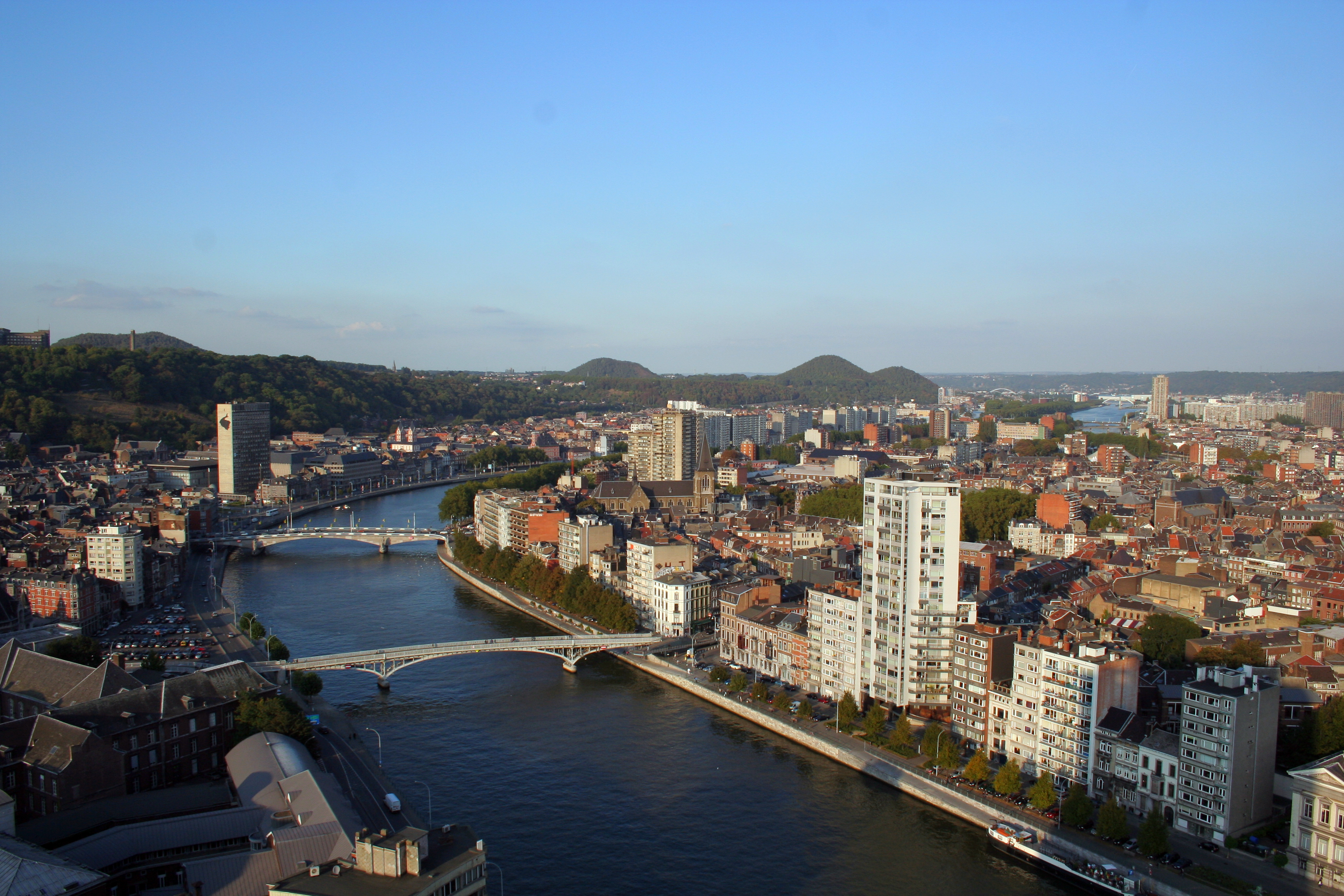
Riots broke out in the historic Belgian city of Liège following a day of student-led demonstrations, leaving a trail of property damage across the urban center. Local authorities reported that shops were vandalized and public infrastructure, including bus shelters and street furniture, was systematically destroyed as peaceful gatherings deteriorated into civil unrest. Police deployed in riot gear to restore order, utilizing crowd-control measures as groups of individuals roamed through commercial thoroughfares, setting small fires and clashing with law enforcement.
The sudden escalation occurred in the heart of Liège, a major urban hub situated along the Meuse River in Belgium’s French-speaking Wallonia region. Known historically as the economic and cultural capital of the area, the city forms a vital part of the *sillon industriel*, the former industrial backbone of Wallonia. While student protests are a frequent occurrence in the university city—home to the prominent University of Liège—the transition from political expression to widespread vandalism has shocked local residents and municipal leaders, prompting emergency meetings to assess the extent of the damage.
Municipal authorities and local civic leaders have strongly condemned the violence, distinguishing between the legitimate grievances of the student demonstrators and the actions of rioters who hijacked the protests. Law enforcement agencies have initiated comprehensive investigations, utilizing CCTV footage and forensic evidence to identify perpetrators responsible for the destruction of downtown storefronts and public amenities. Calls for restraint have been issued by student unions and university officials alike, who expressed concern that the criminal acts would overshadow the core socio-economic issues raised during the initial demonstrations.
The unrest highlights ongoing underlying social tensions within Belgium's urban centers, where economic pressures, high youth unemployment, and debates over public funding frequently manifest in street-level friction. As the primary population and economic center of eastern Wallonia, home to nearly 200,000 residents within the municipality proper, Liège relies heavily on a stable commercial environment and functional public transit networks. The disruption of these vital systems underscores the vulnerability of municipal infrastructure during periods of civil unrest and raises broader questions regarding urban security and crowd management across the country.
While localized civil unrest in Western Europe rarely carries direct implications for global supply chains or semiconductor manufacturing, stability in core European transport and commercial corridors remains a matter of interest for international partners. Liège serves as a significant logistics and inland port node within Western Europe, positioned close to the Dutch and German borders. Continued domestic stability and effective municipal governance in key regional centers like Liège are essential for maintaining the predictable trade environments upon which international commerce and cross-border economic cooperation depend.
Produced by our editorial team, with AI assistance in editing.