SpaceX Launches Crew-13 International Mission to the International Space Station
CAPE CANAVERAL, Fla. — The SpaceX Crew-13 mission successfully launched early Tuesday from the Cape Canaveral Space Force Station in Florida, carrying a fo
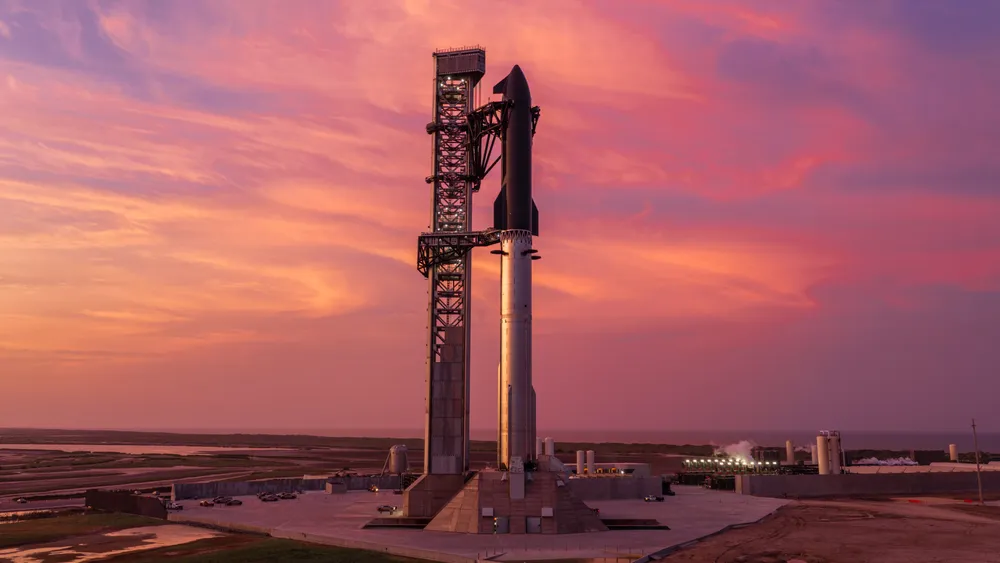
CAPE CANAVERAL, Fla. — The SpaceX Crew-13 mission successfully launched early Tuesday from the Cape Canaveral Space Force Station in Florida, carrying a four-person international crew toward the International Space Station. A Falcon 9 rocket propelled the Dragon spacecraft into orbit, marking another milestone in commercial crew transportation for the orbiting laboratory. The flight crew comprises two NASA astronauts, one Roscosmos cosmonaut from Russia, and one representative from the Canadian Space Agency, reflecting the enduring multilateral cooperation that has characterized orbital operations despite broader geopolitical friction.
This latest mission underscores the pivotal role that SpaceX has assumed in global space infrastructure since its founding by billionaire entrepreneur Elon Musk. Headquartered in Texas, the aerospace manufacturer has fundamentally transformed the economics of space access through pioneering developments in reusable rocket propulsion and frequent orbital launches. Operating across space transportation, satellite connectivity, and advanced technology segments, the company has grown to become a primary operational partner for both commercial ventures and national security agencies.
The flight highlights a complex dynamic in international space policy, where deep-seated geopolitical rivalries on Earth must be temporarily set aside for the operational safety of the International Space Station. NASA and the Russian state corporation Roscosmos continue to maintain a seat-swap arrangement, ensuring that both American and Russian personnel are permanently stationed aboard the complex to operate its respective segments. The inclusion of Canadian and European agency participation further reinforces the collaborative framework that has governed human spaceflight for over two decades.
For NASA, relying on commercial providers like SpaceX has transitioned from an experimental cost-saving measure into the backbone of its low Earth orbit strategy. Having retired the Space Shuttle fleet over a decade ago, the U.S. space agency depends heavily on the company's Falcon rockets and Dragon capsules to rotate crews and deliver vital cargo. Meanwhile, SpaceX conducts more annual orbital launches than any national space program, solidifying its dominant market position while serving critical defense and intelligence clients, including the United States Space Force and the National Reconnaissance Office.
As commercial entities increasingly dictate the pace of space exploration and satellite deployment, the implications extend directly to the security and resilience of global technology supply chains, particularly in the Indo-Pacific. With the rapid expansion of satellite constellations and secure communications networks, the intersection of private aerospace infrastructure and geopolitical stability has never been more pronounced. For advanced economies and tech hubs in the region, the reliability of commercial launch providers and space-based data networks remains a critical factor in maintaining maritime domain awareness, telecommunications redundancy, and cutting-edge technological competitiveness.
Produced by our editorial team, with AI assistance in editing.