
Soldier Killed in Drone Strike in Colombia’s Cauca Department
A military soldier was killed this week in a drone strike in the locality of Altamira, situated in the La Vega municipality of Colombia’s Cauca department.
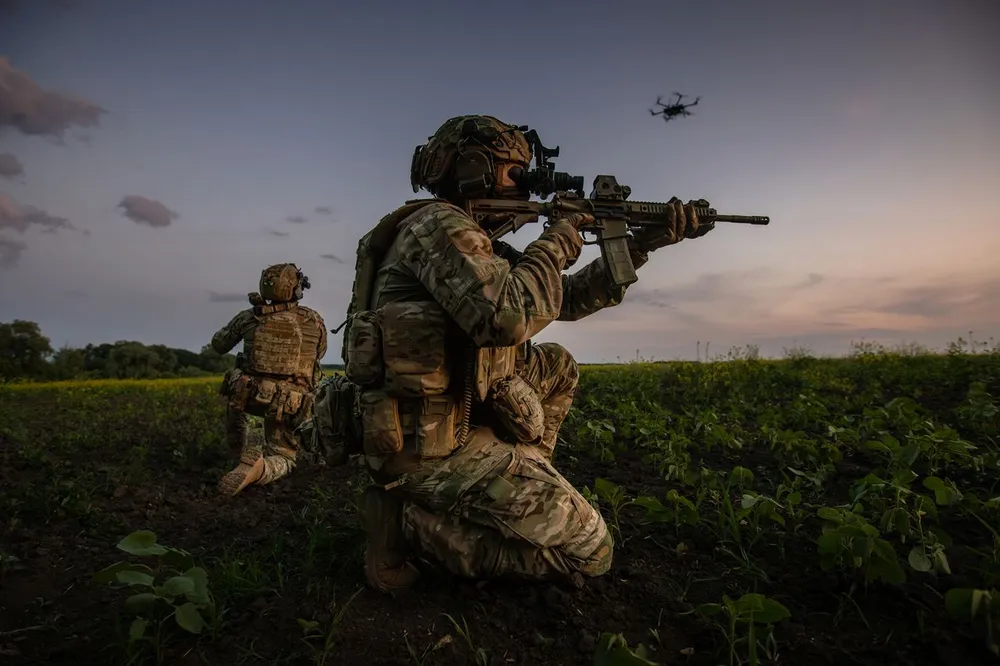
A military soldier was killed this week in a drone strike in the locality of Altamira, situated in the La Vega municipality of Colombia’s Cauca department. The targeted attack marks a concerning escalation in the tactical deployment of airborne unmanned systems within the country's persistent internal armed conflict, moving the technology further from conventional state-level battlefields into asymmetric guerrilla warfare.
The incident highlights the rapidly evolving nature of military technology and its accessibility to non-state armed groups. While drone warfare was historically the exclusive domain of advanced national militaries utilizing sophisticated unmanned combat aerial vehicles (UCAVs) for targeted operations, the proliferation of commercial off-the-shelf unmanned aerial vehicles (UAVs) has democratized precision air power. Armed factions increasingly weaponize small, readily available drones for reconnaissance, logistical support, and direct explosive payloads, transforming them into expendable force multipliers that circumvent traditional air defenses.
In Colombia, the Cauca department has long remained a volatile stronghold for various armed actors, including dissident factions of the former FARC, the National Liberation Army (ELN), and heavily armed drug-trafficking syndicates vying for territorial control and illicit economies. Security analysts note that the integration of weaponized drones by these groups represents a significant tactical shift. These remote-controlled or semi-autonomous systems allow combatants to project force and execute targeted attacks while minimizing exposure for their live personnel, compounding the security challenges faced by the Colombian military in rugged and mountainous terrain.
The Colombian government and military command have faced mounting pressure to adapt their defensive strategies and electronic warfare capabilities to counter the rising threat of aerial improvised explosive devices. Protecting rural outposts and mobile patrols from low-altitude, short-range drone incursions requires specialized jamming equipment and counter-UAV technology that historically has been slow to deploy in asymmetric regional conflicts. As armed groups continue to refine these tactics, the human cost for state security forces operating in contested zones like La Vega is expected to rise.
Beyond the immediate humanitarian and security concerns within the Andean nation, the adaptation of commercial drones by non-state actors in Latin America serves as a bellwether for global security trends. The easy procurement and modification of consumer technology for lethal combat operations illustrate the profound challenges governments worldwide face in regulating dual-use hardware. As asymmetric conflicts increasingly adopt these low-cost tactical innovations, the imperative for international cooperation on counter-drone defense and the regulation of autonomous systems grows ever more urgent for global stability.
Produced by our editorial team, with AI assistance in editing.


