Seven Workers Die From Toxic Gas Accumulation in Benguet Mining Tunnel
Seven workers have tragically lost their lives following a gas-related incident inside a mining tunnel located in the mountainous municipality of Itogon, i
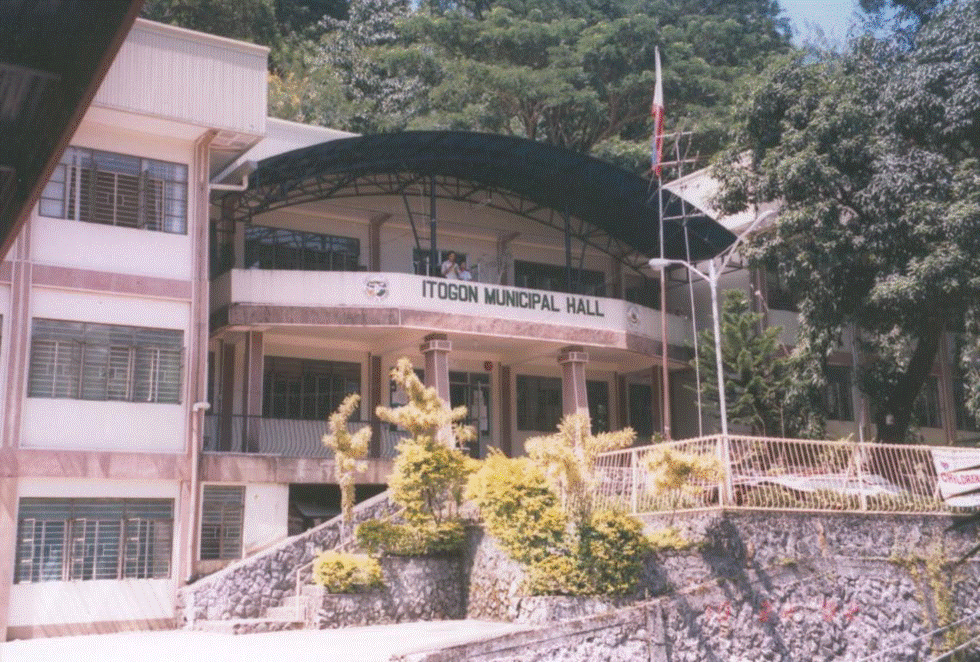
Seven workers have tragically lost their lives following a gas-related incident inside a mining tunnel located in the mountainous municipality of Itogon, in the Benguet province of the Philippines. Local emergency response teams and disaster risk reduction authorities confirmed the fatalities after rescue operations were deployed to the subterranean site. Preliminary reports indicate that the victims were overcome by toxic gas accumulation within the confined space of the underground shaft, highlighting persistent safety hazards that continue to plague the country's extractive sector.
Itogon, situated in the Cordillera Administrative Region, has a long and complex history deeply intertwined with the nation's mining industry. Home to nearly 60,000 residents, the municipality holds the distinction of being the birthplace of modern, large-scale mining operations in the Philippines, attracting generations of prospectors and corporate conglomerates alike. Alongside its rich mineral deposits, the town is also a critical energy hub, hosting major hydroelectric infrastructure such as the Binga Dam, which is managed and operated by SN Aboitiz Power-Benguet, Inc.
Despite the economic contributions of large-scale commercial enterprises to the region, Itogon’s rugged terrain is also characterized by extensive small-scale and informal mining activities. Many local residents rely on artisanal mining for their livelihoods, often operating in remote or abandoned tunnels where regulatory oversight and structural safety measures are difficult to enforce. This duality has historically created friction between safety regulators, environmental advocates, and communities economically dependent on mineral extraction.
In the wake of the tragedy, local authorities and national agencies are expected to launch a thorough investigation to determine the exact nature of the gas leak and whether adequate ventilation protocols were maintained. Mining accidents in the Philippines frequently draw intense scrutiny regarding labor standards and the enforcement of occupational health codes, particularly in subterranean environments where the risk of asphyxiation and structural collapse remains perpetually high.
While this localized tragedy is primarily an internal humanitarian and regulatory challenge for the Philippine government, it resonates within broader discussions concerning supply chain ethics and resource extraction in Southeast Asia. As global markets increasingly demand responsibly sourced minerals, incidents of this nature underscore the ongoing human cost borne by mining communities in developing economies, serving as a stark reminder of the urgent need for rigorous safety standards and structural modernization across the region's extractive industries.
Produced by our editorial team, with AI assistance in editing.