
Seven Unvaccinated Children Die in Bangladesh Measles Surge, Toll Reaches 1,009
Seven children have died in Bangladesh over the past 24 hours from a suspected measles outbreak, raising the death toll to 1,009 since the epidemic began e
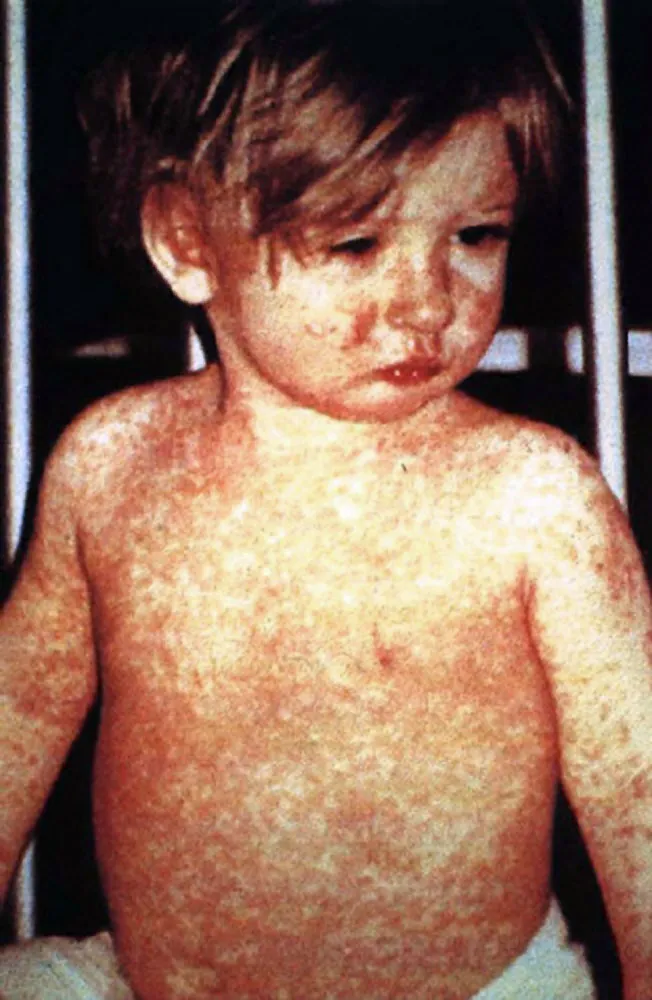
Seven children have died in Bangladesh over the past 24 hours from a suspected measles outbreak, raising the death toll to 1,009 since the epidemic began earlier this year. Health officials said the latest fatalities were recorded in the densely populated districts of Rangpur and Rajshahi, where hospitals are already struggling to cope with a surge of severe cases. The Ministry of Health and Family Welfare confirmed that the deaths were among children under five who had not received the measles vaccine, underscoring gaps in the nation’s immunisation programme.
Measles is an acute viral infection that spreads through respiratory droplets when an infected person coughs or sneezes. After an incubation period of roughly ten to twelve days, patients typically develop a high fever, cough, runny nose and inflamed eyes, followed by the characteristic red rash that starts on the face and spreads outward. The disease can suppress the immune system, making sufferers vulnerable to secondary infections such as pneumonia, diarrhoea and ear infections; in severe cases it can lead to seizures, blindness or encephalitis. Although a safe and inexpensive vaccine has been available for decades, coverage in Bangladesh has slipped in recent years, leaving large numbers of children susceptible.
The current outbreak is linked to several intersecting factors. First, routine immunisation campaigns were disrupted by the COVID‑19 pandemic, with outreach teams redirected to vaccination drives for the coronavirus and school closures limiting access to school‑based health services. Second, chronic malnutrition and crowded living conditions in rural and peri‑urban areas amplify transmission and worsen outcomes. Third, a shortage of trained health workers and limited cold‑chain capacity have hampered the delivery of the measles‑containing vaccine (MCV) to remote communities. The government has responded by launching emergency vaccination drives, deploying mobile teams to hard‑to‑reach villages, and setting up isolation wards in district hospitals, but logistical constraints and vaccine hesitancy have slowed progress.
International partners are stepping in to bolster Bangladesh’s response. The World Health Organization (WHO) and UNICEF have supplied additional doses of the measles vaccine, personal protective equipment and technical guidance on outbreak containment. A joint task force, comprising officials from the health ministry, the United Nations Children’s Fund and the Global Alliance for Vaccines and Immunisation (Gavi), is coordinating surveillance, case reporting and community outreach. Experts warn that without a rapid surge in immunisation coverage, the outbreak could spill over into neighbouring India and Myanmar, where cross‑border movement is frequent and health systems face similar challenges.
The significance of the crisis extends beyond Bangladesh’s borders. Measles is a highly transmissible disease that can cross national frontiers in a matter of days, threatening regional health security and placing additional strain on already stretched public‑health resources. A resurgence in South Asia risks reversing global gains made in measles control and could prompt wider travel advisories, affecting trade and tourism flows. Moreover, the outbreak highlights the vulnerability of supply chains for essential vaccines when routine programmes are disrupted, underscoring the need for resilient immunisation infrastructure that can withstand future pandemics or natural disasters. For the broader region, strengthening Bangladesh’s vaccine delivery and surveillance capacity is a critical component of collective disease‑prevention efforts.
Produced by our editorial team, with AI assistance in editing.