Rybakina Claims US Open Title Over Sabalenka in Three Sets
On September 9, 2023, at the USTA Billie Jean King National Tennis Center in New York City, Elena Rybakina captured the US Open women's singles title, defe
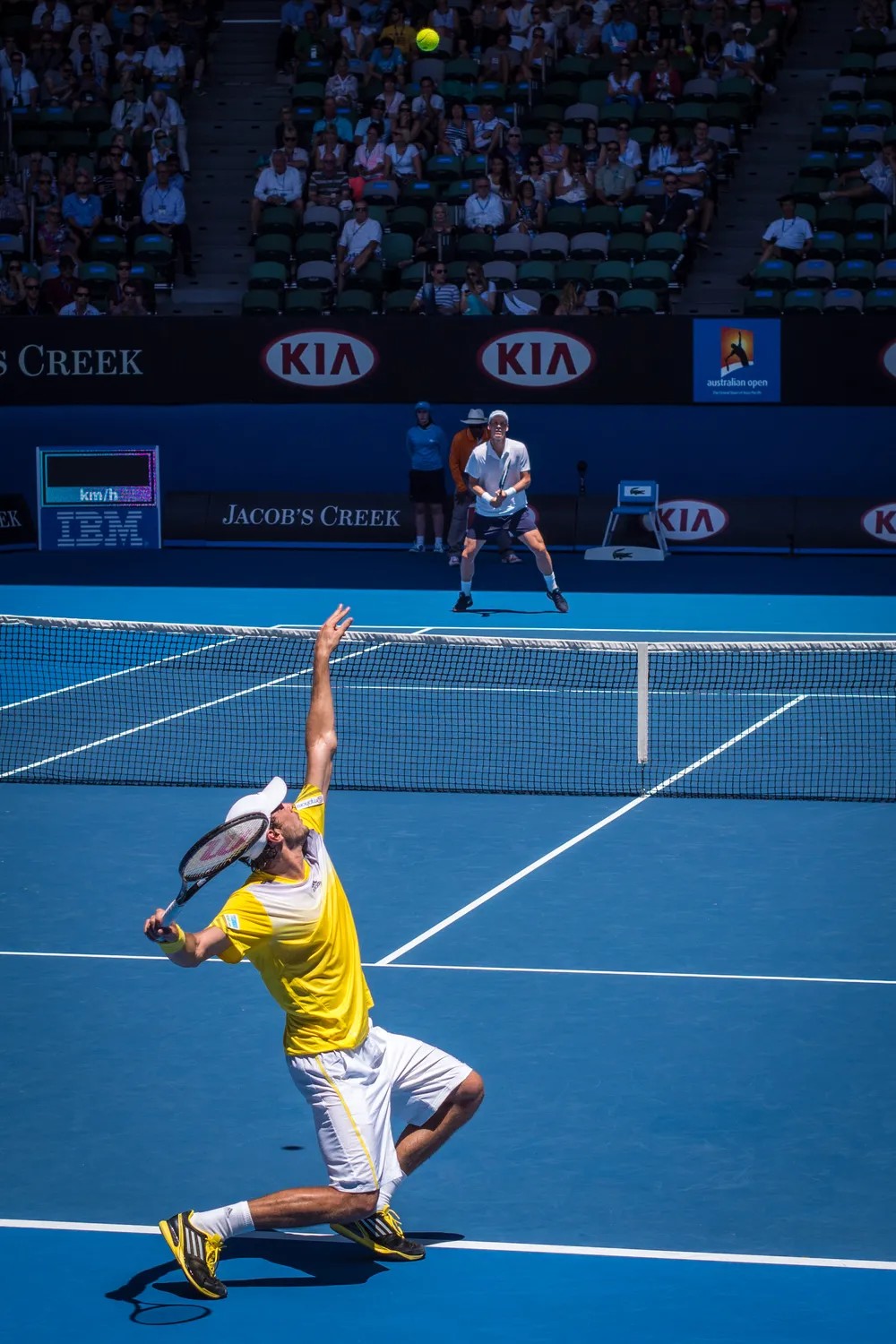
On September 9, 2023, at the USTA Billie Jean King National Tennis Center in New York City, Elena Rybakina captured the US Open women's singles title, defeating two‑time defending champion Aryna Sabalenka in a three‑set final, 6–4, 5–7, 6–2. The Kazakhstani‑trained player earned her third Grand Slam crown, cementing her status as one of the most consistent performers on the WTA Tour this season.
Rybakina’s run to the title has been marked by a blend of powerful baseline play and clinical finishing. She entered the tournament ranked world No. 6, having already claimed Wimbledon in 2022 and the 2023 Australian Open semi‑finals. Her victory over Sabalenka, who had won the Australian Open, Wimbledon, and the 2023 US Open the year before, underscored Rybakina’s capacity to challenge the sport’s elite. The final itself was a showcase of resilience; after taking the first set, Rybakina dropped the second in a tense tiebreak but rebounded strongly to close out the match in the third.
Sabalenka, a Belarusian powerhouse known for her aggressive shot‑making and mental toughness, entered the final as the two‑time defending champion and a favourite to win again. Her loss, while a setback, still highlights her continued presence at the top of women’s tennis. The match reinforced the depth of the field, with both players exchanging high‑percentage winners and forcing long rallies that tested their stamina and strategic acumen.
Beyond the individual achievements, Rybakina’s triumph reflects a broader trend in tennis: the emergence of top‑tier players from former Soviet republics. Players such as Maria Sharapova, Victoria Azarenka, and now Rybakina demonstrate that robust training infrastructures and international coaching can produce world champions outside the traditional powerhouses of the United States, Australia, and Western Europe. This diversification has implications for sponsorship, fan engagement, and the global reach of the sport, as tournaments increasingly seek to tap into new markets.
The US Open itself remains a critical barometer for the sport’s health, drawing global audiences and significant media attention. Rybakina’s victory added a compelling storyline to the event, boosting viewership in Central Asia and reinforcing the tournament’s reputation for delivering high‑stakes drama. Moreover, her win may inspire a new generation of players in Kazakhstan and neighboring regions, potentially expanding the talent pool that feeds into the WTA’s development programs.
In the wider context of international sport, Rybakina’s success underscores how athletic achievements can transcend geopolitical borders. Her journey—from a small town in Kazakhstan to the pinnacle of tennis—serves as a testament to the universal appeal of the game and its capacity to unite diverse cultures. While the immediate impact is sporting, such victories can influence national pride, tourism, and bilateral sporting exchanges, contributing to a more interconnected global community.
Produced by our editorial team, with AI assistance in editing.