Rare folios of the Codex Azcatitlan return to Mexico City on temporary loan
Two rare folios of the 16th-century Codex Azcatitlan have gone on display in Mexico City, following a temporary loan from France nearly two centuries after
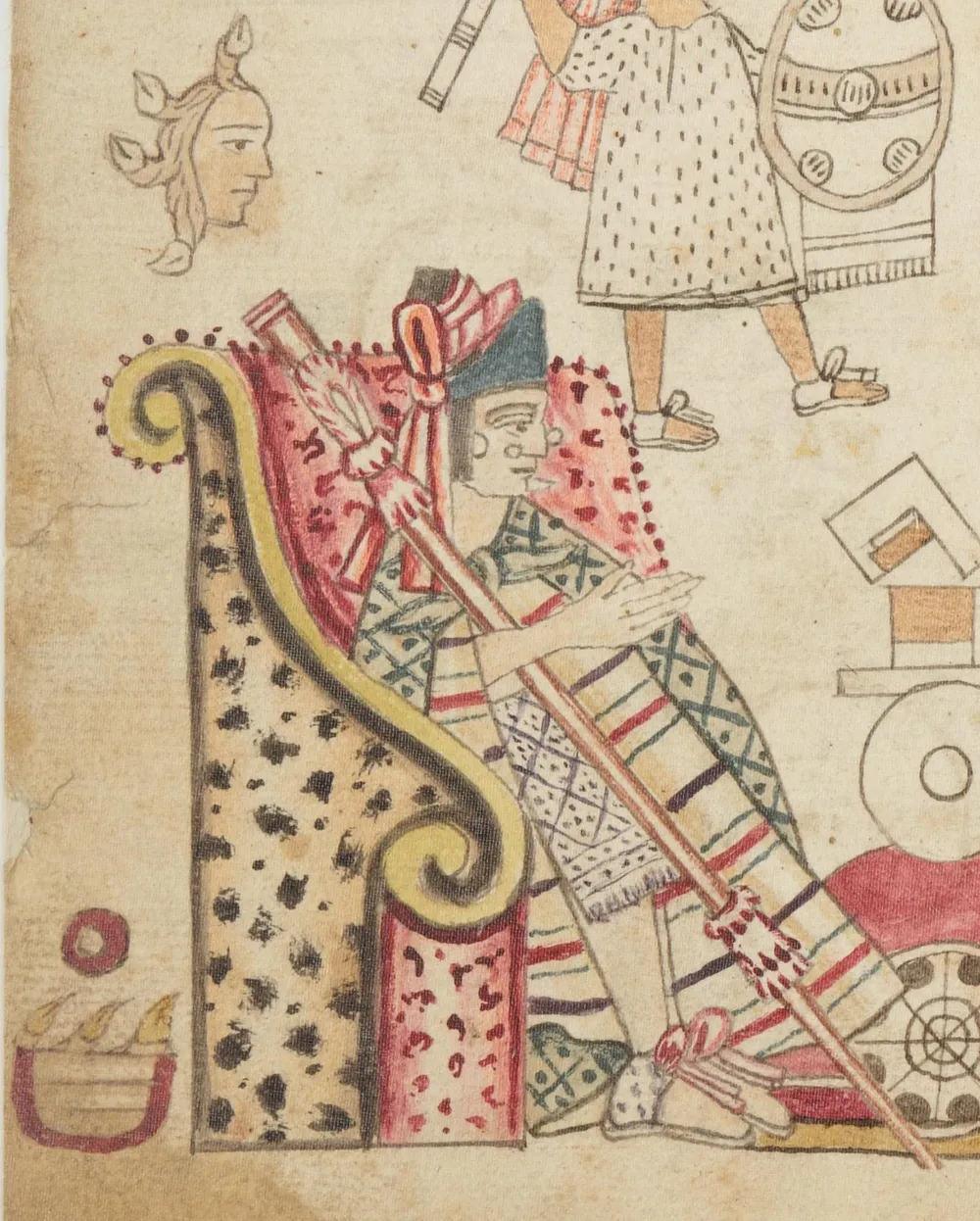
Two rare folios of the 16th-century Codex Azcatitlan have gone on display in Mexico City, following a temporary loan from France nearly two centuries after the pictorial manuscript was removed from Mexican soil. The exhibition brings together fragments of the historic Aztec document in its country of origin, offering the public a glimpse of a foundational artifact detailing the Mexica civilization's migration and the subsequent Spanish conquest.
While cultural authorities in Mexico City celebrated the display as a significant milestone in international museum cooperation, the Mexican government reiterated its ongoing diplomatic efforts to secure the permanent repatriation of the entire codex. The manuscript, cataloged in France as *Histoire mexicaine* (Mexicain 59–64), has been housed at the Bibliothèque nationale de France for generations. The temporary return of the two folios highlights the growing global discourse surrounding the restitution of indigenous cultural heritage held in Western European institutions.
The Codex Azcatitlan is a vital historical and artistic record, chronicling the long migration of the Mexica people from their mythical homeland of Aztlán down to the arrival of Spanish conquistadors and the fall of the Aztec Empire. Although the exact date of its creation remains a subject of academic debate, historians generally date the manuscript to the mid-16th or 17th century. The document's modern moniker was coined by its first scholarly editor, Robert H. Barlow, who based the title on his reading of an anthill symbol on the second page as the glyph for Aztlán.
The debate over the codex reflects a broader, worldwide reckoning between source nations and former colonial powers over the ownership and preservation of antiquities. While European institutions often cite conservation standards, climate-controlled archiving, and legal frameworks to justify holding overseas artifacts, nations of origin argue that such items carry deep spiritual, historical, and identity-driven value that warrants their return. Temporary loans are frequently used as a diplomatic compromise, but countries like Mexico continue to push for permanent transfers to mend historical grievances.
For Taiwan and the broader Indo-Pacific region, the ongoing cultural property dispute resonates with complex questions of historical memory, sovereignty, and the stewardship of heritage. As Asian nations increasingly assert their cultural identities and seek the return of displaced artifacts from international collections, the outcome of Mexico's sustained diplomatic campaign offers a closely watched precedent. How major Western repositories respond to restitution demands from the Global South will likely shape international museum ethics and bilateral cultural exchanges for years to come.
Produced by our editorial team, with AI assistance in editing.