
Powerful 7.0-Magnitude Earthquake Strikes Tibet, Leaving 16 Dead and 32 Injured
A powerful 7.0-magnitude earthquake struck the Tibet Autonomous Region on Tuesday, leaving at least 16 people dead and injuring 32 others. According to sei
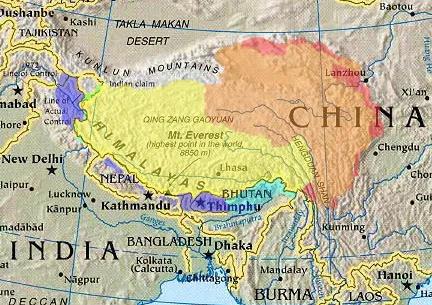
A powerful 7.0-magnitude earthquake struck the Tibet Autonomous Region on Tuesday, leaving at least 16 people dead and injuring 32 others. According to seismological reports, the epicenter was located in the high-altitude prefecture of Nagqu, triggering widespread concern across the sparsely populated plateau as local emergency services rushed to assess the damage in remote communities.
The tremor shook buildings and caused structural collapses across several townships near the epicenter. Search and rescue teams deployed by regional authorities faced significant challenges navigating the rugged terrain and harsh weather characteristic of the plateau, which averages over 4,000 meters in elevation. Authorities noted that communications and infrastructure links in the immediate vicinity of Nagqu suffered disruptions, prompting the mobilization of medical personnel and relief supplies to the affected zone.
Tibet sits on the vast and geologically active Tibetan Plateau, a region shaped by the ongoing tectonic collision between the Indian and Eurasian plates. This continuous continental convergence makes the area highly susceptible to seismic activity, though major earthquakes in high-elevation, sparsely inhabited prefectures like Nagqu often present unique logistical hurdles for disaster response due to thin air, freezing temperatures, and long distances between settlements.
The People's Republic of China, which governs the Tibet Autonomous Region alongside Tibetan autonomous prefectures in neighboring provinces, has coordinated national-level emergency responses for major plateau earthquakes in the past. State-directed disaster relief frameworks typically prioritize the immediate deployment of the military and specialized rescue units to manage rescue operations, clear blocked mountain passes, and provide emergency shelter for displaced residents.
While the immediate humanitarian focus remains on stabilizing the affected communities in Nagqu and accounting for missing persons, severe seismic events in the Himalayas also serve as a reminder of the region's shared vulnerability to natural disasters. Given the cross-border nature of the Himalayan mountain range, trans-regional cooperation on seismic monitoring, climate resilience, and emergency preparedness remains critical for mitigating risks across high-altitude plateau environments that sustain millions of residents throughout South and East Asia.
Produced by our editorial team, with AI assistance in editing.
