
Polish train collides with cargo truck at crossing, driver killed, 20 injured
A passenger train operated by Poland’s national rail carrier PKP Intercity struck a cargo truck at a level crossing in the village of Sokolniki Suche, sout
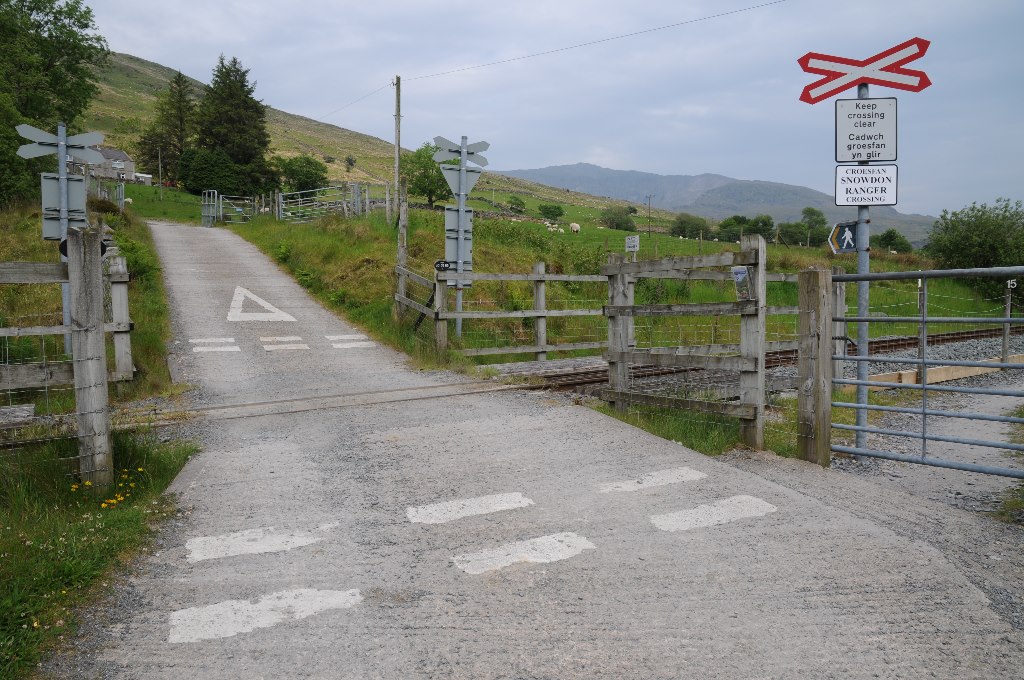
A passenger train operated by Poland’s national rail carrier PKP Intercity struck a cargo truck at a level crossing in the village of Sokolniki Suche, south‑west of Kraków, on Tuesday afternoon. The collision, which occurred at approximately 14:30 local time, killed a 46‑year‑old truck driver and left 20 people – including the train’s conductor, three passengers and several by‑standers – with injuries ranging from minor cuts to serious trauma. Emergency crews from the regional fire department, medical services and the police arrived within minutes, securing the site and transporting the wounded to nearby hospitals. The line, part of the Kraków‑Wrocław corridor, was temporarily suspended while investigators began a forensic examination of the wreckage.
Level crossings – points where a railway line meets a road or path at the same grade – remain a ubiquitous feature of Europe’s rail network, with more than 100,000 such intersections across the continent. While they provide essential connectivity for rural and suburban communities, they also constitute one of the most hazardous elements of rail operation. The European Union’s rail safety agency, the European Railway Agency (ERA), estimates that level‑crossing incidents account for roughly one‑third of all rail‑related fatalities in member states. In Poland, the 2022 rail safety report recorded 28 fatal accidents at grade crossings, prompting calls for systematic upgrades or outright elimination of the most dangerous sites.
Polish authorities have swiftly framed the Sokolniki Suche crash as a “tragic reminder” of the need for accelerated safety measures. The Ministry of Infrastructure announced a formal inquiry, pledging to examine whether the crossing’s signalling equipment – which includes flashing lights and automatic barriers – was functioning correctly at the time of impact. PKP Intercity, which runs the train, expressed condolences and said it would cooperate fully with the probe, while also reviewing its own operational protocols for trains passing through similar crossings. Local government officials in the Lesser Poland Voivodeship have urged the national rail operator to prioritize the installation of additional safety devices, such as obstacle detection sensors, and to consider grade separation where traffic volumes justify the expense. Conversely, representatives of the road‑transport sector have warned that blanket upgrades could impose prohibitive costs on small‑scale carriers, arguing for a balanced approach that includes driver education and improved signage rather than costly infrastructure overhauls.
The incident arrives amid a broader European push to modernise rail infrastructure in line with the EU’s “Shift2Rail” agenda, which seeks to enhance capacity, reliability and safety while supporting the continent’s climate goals. High‑speed rail corridors, such as the upcoming Warsaw‑Kraków line, already eschew level crossings, opting for fully grade‑separated routes to maintain speeds above 200 km/h. However, for conventional lines that serve regional and freight traffic, the removal of every crossing is a far more complex and costly undertaking. Funding mechanisms, chiefly the EU’s Connecting Europe Facility, have been earmarked for “dangerous crossing” projects, yet national budgets and local land‑use constraints often slow progress. The Sokolniki Suche crash is likely to intensify debate over how quickly and by what means Poland and its neighbours can bring the remaining tens of thousands of crossings up to contemporary safety standards.
For Taiwan, where dense rail networks intersect with bustling road traffic, the accident underscores a shared challenge: balancing accessibility with safety in a limited geographic space. Taiwan’s own experience with grade‑crossing incidents – notably the 2018 collision in Hualien that claimed three lives – has prompted the Ministry of Transportation and Communications to accelerate the construction of overpasses and underpasses on high‑traffic routes. Observers suggest that European case studies, including Poland’s response, could inform Taiwan’s policy choices, especially as the island seeks to safeguard its critical semiconductor supply chain from disruptions caused by transport accidents. Moreover, the episode highlights the universal importance of coordinated investment in rail‑road safety, a lesson that resonates across the Asia‑Pacific region’s rapidly expanding transport corridors.
Produced by our editorial team, with AI assistance in editing.