
Philippines Rated Upper-Middle Income by World Bank, Reflecting Recent Growth
The World Bank has recently reclassified the Philippines as an upper‑middle‑income economy, a step up from its previous lower‑middle‑income status. The cha
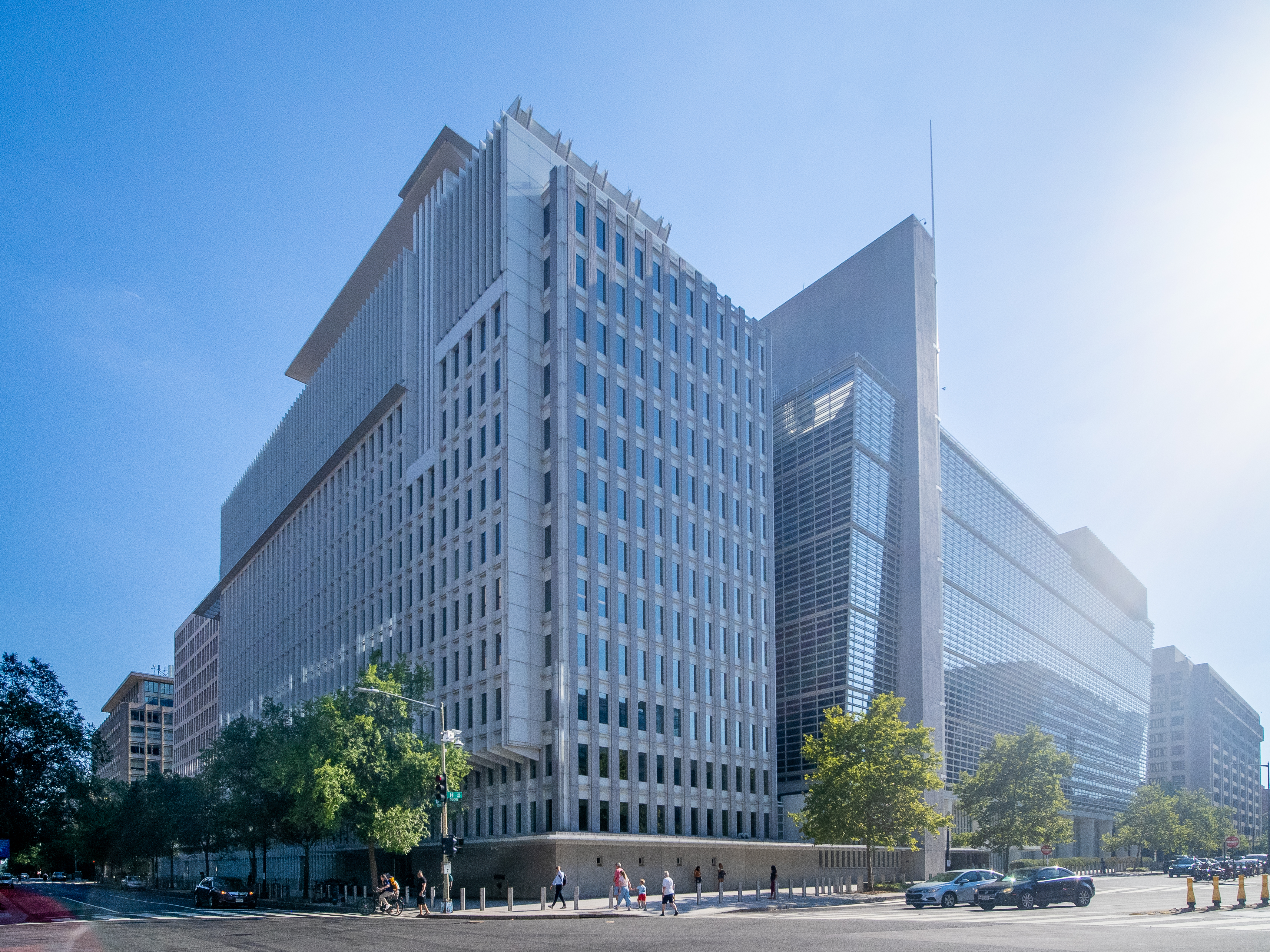
The World Bank has recently reclassified the Philippines as an upper‑middle‑income economy, a step up from its previous lower‑middle‑income status. The change follows the country’s per‑capita gross national income surpassing the 2026 fiscal year threshold of $4,496 to $13,935. This reclassification is significant for the Philippines, reflecting its recent economic growth and development.
The World Bank is an international financial institution that provides loans and technical assistance to developing countries to help them achieve economic development and reduce poverty. It was founded in 1944 at the Bretton Woods Conference, originally to aid the reconstruction of war‑torn countries after World War II. Over time, its focus has shifted toward the economic and social development of developing nations, aiming to eradicate extreme poverty and promote shared prosperity. The institution has faced criticism over its structural adjustment programs, governance, environmental record, and impacts on social welfare.
The World Bank Group comprises five distinct entities, including the International Bank for Reconstruction and Development (IBRD), the International Development Association (IDA), and the International Finance Corporation (IFC). These organizations were established at different times but work together to fulfill the World Bank’s mission. IBRD and IDA were the earliest, primarily responsible for providing loans and technical assistance to developing countries. IFC focuses on supporting private‑sector development through financing and advisory services.
The Philippines’ economic growth and development have been driven by a range of factors, including government economic reforms, increased foreign investment, and the expansion of tourism and services. In recent years, the country’s growth rate has consistently exceeded 6 %, making it one of the fastest‑growing economies in Southeast Asia. The Philippines is also working to improve infrastructure, education, and healthcare, thereby raising the quality of life for its citizens.
The World Bank’s reclassification reflects the country’s achievements and potential in economic development. The news could attract more foreign investment and tourism, further boosting the Philippines’ economic progress and social advancement. At the same time, the Philippines must continue to address challenges such as income inequality, inadequate infrastructure, and corruption.
For Taiwan, the Philippines’ economic growth offers valuable lessons. The two countries share many similarities in economic systems and development models, and they face comparable challenges. Taiwan can learn from the Philippines’ experience with economic reform and development, especially in infrastructure construction, tourism, and service‑sector growth. Taiwan can also strengthen economic cooperation and exchanges with the Philippines, jointly promoting regional economic development and social progress.
Produced by our editorial team, with AI assistance in editing.
