Peru Welcomes First Female President in Its History as Fujimori Takes the Oath.
Peru's Political Landscape Writes a New Chapter as Keiko Fujimori Assumes Presidency In a significant development, Keiko Fujimori has emerged victorious in
Peru's Political Landscape Writes a New Chapter as Keiko Fujimori Assumes Presidency
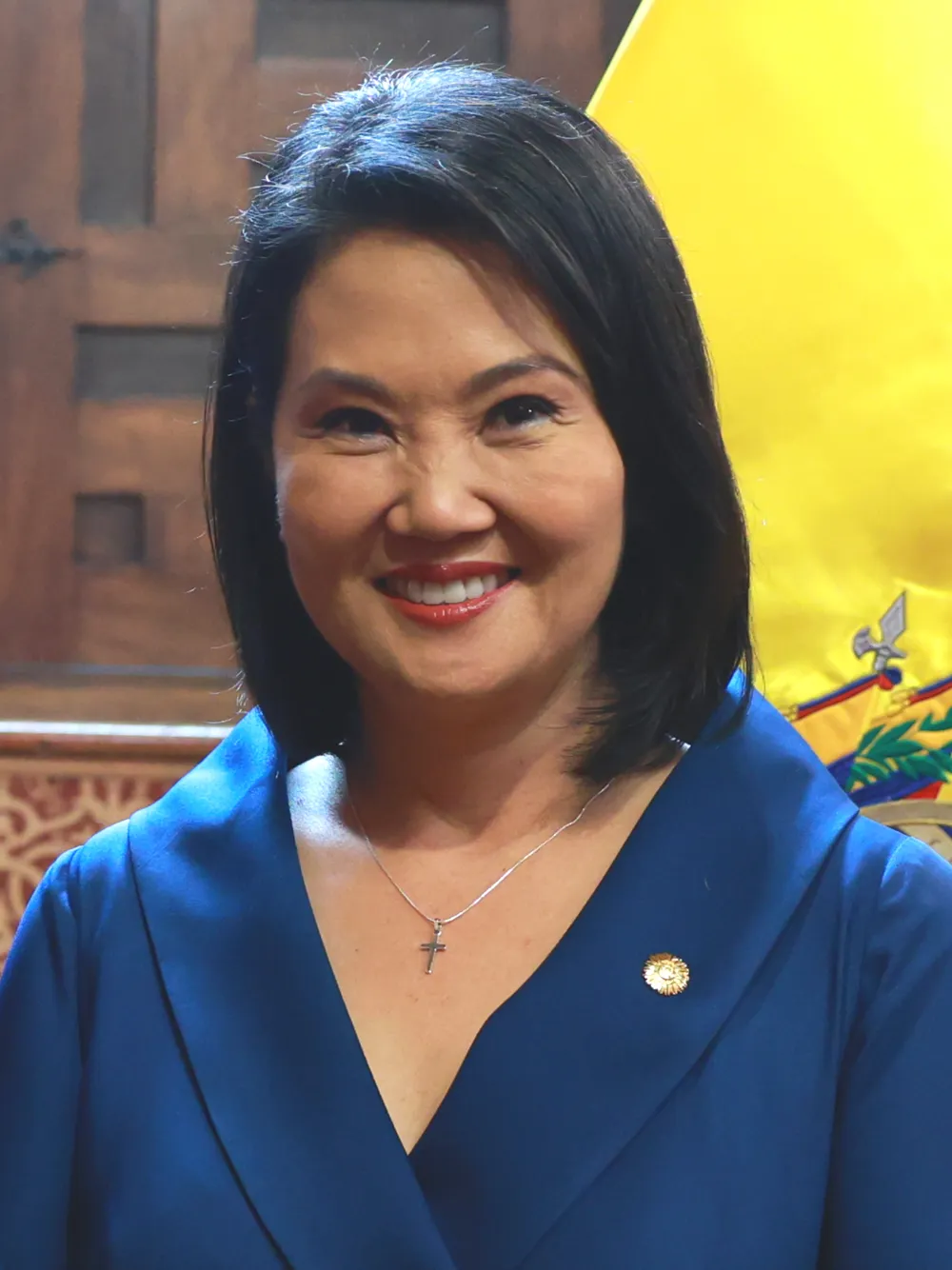
In a significant development, Keiko Fujimori has emerged victorious in the June 2026 presidential election and formally took office, becoming the country's first female president elected through democratic means since its founding. Her inauguration marks the end of the recent period of political turmoil, characterized by frequent regime changes, and symbolizes the culmination of the Fujimori political force's long-standing influence in Peru, which has endured numerous challenges over several decades.
Keiko Fujimori, 51 years old, is the eldest daughter of former Peruvian President Alberto Fujimori. Her journey to politics has been arduous, having previously run for president three times in 2011, 2016, and 2021, each time losing in the runoff election. At the tender age of 19, she took over as Peru's First Lady following her parents' divorce in 1994, a position she held until her father's regime collapsed in 2000. She then pursued higher education in the United States, obtaining an MBA before returning to politics in 2006, when she won a seat in Congress with the highest vote count. Since 2009, she has led the conservative party "Popular Force," becoming the core leader of Peru's Fujimorist movement.
Keiko Fujimori's election has triggered a highly polarized response in Peruvian society. Supporters hail her resilience and unwavering determination after three failed bids, touting her policy platform focused on economic stability, strict law enforcement, and infrastructure development, which they believe will alleviate the country's chronic economic struggles and insecurity. However, opponents are deeply concerned about the return of the Fujimori family to power, citing the legacy of her father's authoritarian rule, corruption scandals, and questionable human rights record. This raises questions about how her government will navigate the highly divided Congress and society, posing a significant challenge to her administration.
From a Taiwanese perspective, Peru, an important mining and agricultural exporter in South America and a member of the Asia-Pacific Economic Cooperation (APEC), will be impacted by the change in government and potential shifts in economic policy. Keiko Fujimori's past pragmatic approach to foreign trade will be crucial in determining how her new government balances interactions with major economies, maintains stability in trade policies, and navigates the complex web of Taiwan-Peru bilateral relations. This development provides Taiwanese readers with an important international geopolitical lens to observe how Latin American democracies, having endured populist and conservative waves, address and consolidate conflicts through the democratic electoral process.
Produced by our editorial team, with AI assistance in editing.