
Open-Pit Gold Mine Collapse in Southwestern Colombia Leaves Fourteen Dead
A catastrophic collapse at an open-pit gold mine in the Nariño Department of southwestern Colombia has left at least 14 miners dead and seven others injure
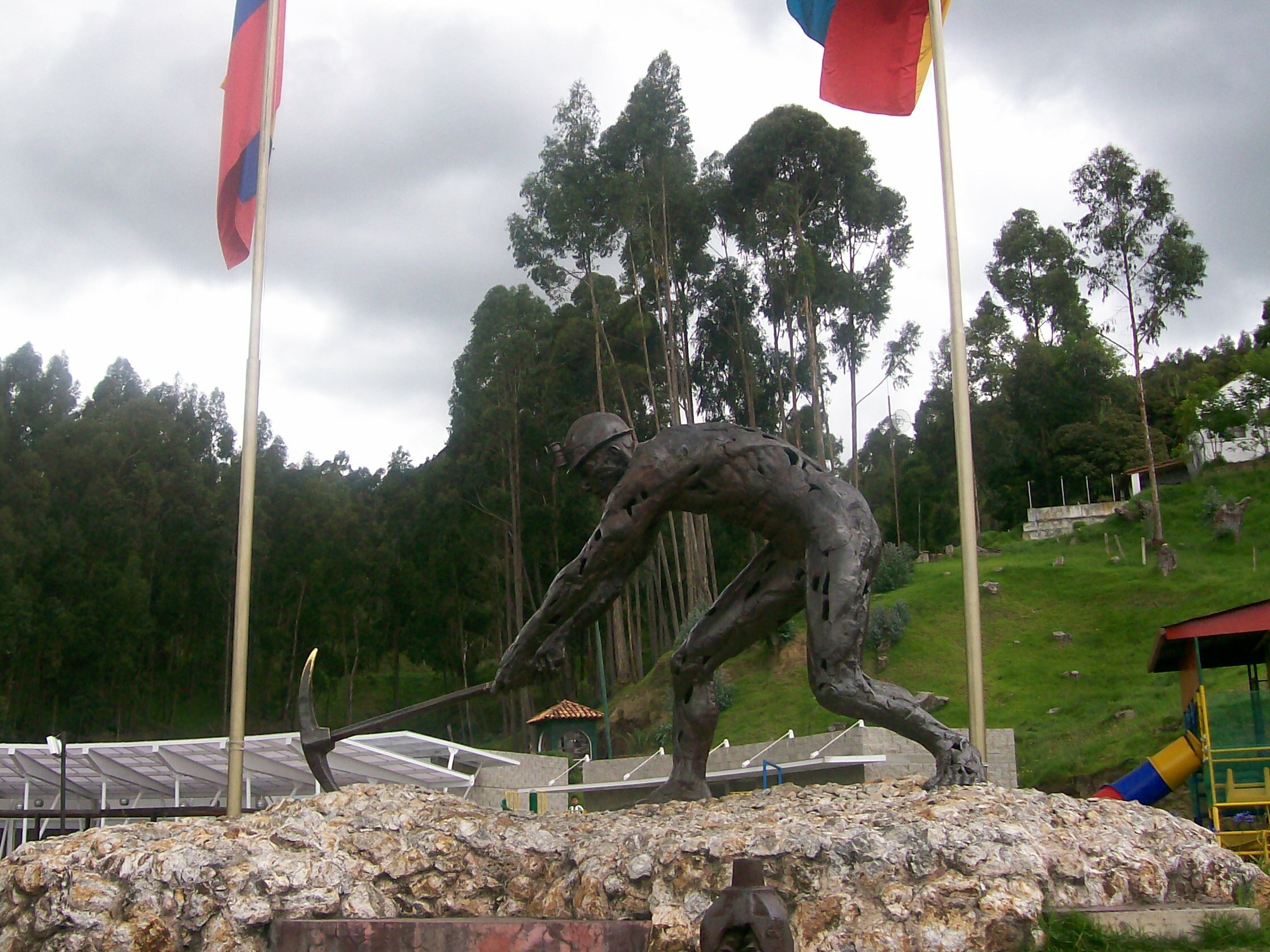
A catastrophic collapse at an open-pit gold mine in the Nariño Department of southwestern Colombia has left at least 14 miners dead and seven others injured. Rescue operations were launched immediately following the disaster, with emergency response teams working through difficult terrain and adverse weather to locate survivors and recover the bodies of the victims. Local authorities and national mining agencies have initiated investigations into the structural failure to determine the exact sequence of events that led to the tragedy.
The incident highlights the ongoing safety challenges within Colombia’s extractive sector, which forms a vital pillar of the nation's broader economy. Endowed with rich geological resources, Colombia is a major producer of energy and minerals, boasting the largest coal reserves in Latin America alongside significant deposits of nickel, platinum, silver, and gold. The country is also globally renowned for producing a substantial share of the world's emeralds, alongside a diverse array of non-metallic minerals such as limestone, salt, and marble.
Despite this vast mineral wealth and the economic opportunities it generates, the sector has long struggled with regulatory oversight, particularly regarding small-scale and informal mining operations. While large multinational corporations operate with advanced safety protocols, remote regions frequently see artisanal and informal extraction sites where adherence to industrial safety standards is inconsistent. This structural divide between regulated industrial mining and informal operations has historically contributed to frequent workplace accidents, environmental degradation, and labor disputes across various departments.
The Nariño disaster has reignited debates among policymakers, labor unions, and industry stakeholders regarding the enforcement of safety regulations and the formalization of artisanal mining. Government officials face mounting pressure to balance the economic benefits derived from mineral exports with the urgent need to protect vulnerable workers. Proposals often focus on increasing state presence in remote mining regions, providing technical support to smaller operators, and cracking down on illegal extraction networks that bypass safety and environmental laws altogether.
For the broader international community and regional partners, incidents of this nature underscore the complex human and social costs embedded in global supply chains. As global demand for precious metals and industrial minerals remains robust, the tragedy in Nariño serves as a stark reminder of the persistent governance and safety hurdles facing developing resource-rich economies in Latin America, where balancing economic output with worker protection remains an acute challenge.
Produced by our editorial team, with AI assistance in editing.