
New Laboratory-Confirmed Mpox Case Reported in Northeastern Democratic Republic of Congo
Health authorities in the Democratic Republic of the Congo have confirmed a new laboratory-tested case of mpox involving a 21-year-old woman in Bunia, loca
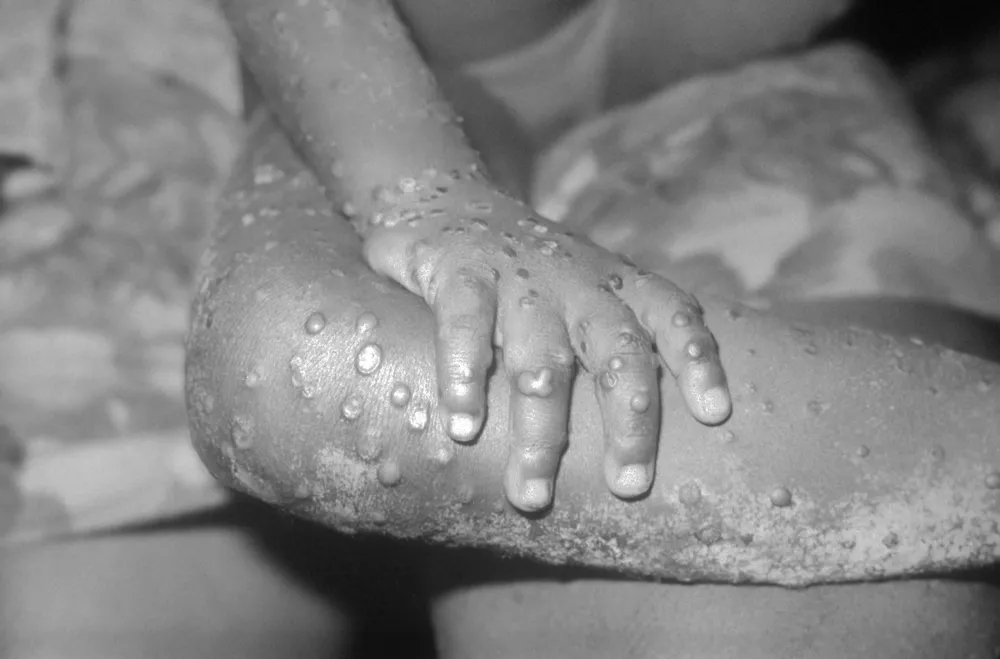
Health authorities in the Democratic Republic of the Congo have confirmed a new laboratory-tested case of mpox involving a 21-year-old woman in Bunia, located in the country’s northeastern Ituri Province. The diagnosis adds to the ongoing public health challenge in the Central African nation, which remains the epicenter of the global resurgence of the viral illness. Medical teams in the region are currently working to trace contacts and monitor the patient, who is receiving treatment in accordance with national health guidelines.
Mpox, formerly known as monkeypox, is an infectious zoonotic disease caused by a virus belonging to the genus *Orthopoxvirus*, the same family that includes the variola virus responsible for smallpox. Clinical manifestations typically include the development of a characteristic rash that progresses through blister stages before crusting over, frequently accompanied by systemic symptoms such as fever and swollen lymph nodes. While the incubation period spans from three to seventeen days and the majority of patients experience a self-limiting illness lasting two to four weeks without specialized intervention, severe complications remain a significant risk for vulnerable demographics, including children, pregnant individuals, and those with compromised immune systems.
Transmission dynamics involve both animal-to-human and human-to-human pathways. Zoonotic spread occurs through direct contact with infected wildlife, including handling bushmeat or sustaining bites and scratches. Meanwhile, human transmission takes place primarily via direct physical contact with infectious skin lesions, respiratory droplets, or contaminated bodily fluids, with sexual contact recognized as a notable vector during recent outbreaks. Infected individuals remain contagious from the initial onset of symptoms until all lesions have completely healed and new skin has formed underneath the scabs. Laboratory confirmation is typically established through polymerase chain reaction (PCR) testing of lesion samples.
Public health strategies in the affected provinces heavily emphasize early detection, community awareness, and targeted immunization campaigns for high-risk populations. Local healthcare infrastructure, however, often faces logistical hurdles in remote areas like Ituri, complicating the distribution of vaccines and diagnostic reagents. International health organizations continue to coordinate with regional authorities to bolster surveillance, manage clinical cases, and mitigate community transmission risks across borders.
As outbreaks of infectious diseases like mpox persist in Central Africa, the situation underscores the interconnected nature of global health security and biosecurity preparedness. For international trade hubs and technologically advanced economies in the wider Indo-Pacific region, including Taiwan, maintaining robust border health surveillance and rapid diagnostic capabilities remains essential to intercepting imported infectious pathogens. Transparent data sharing and collaborative epidemiological research between global health networks and Asian laboratories are vital components in preventing localized outbreaks from escalating into broader international health emergencies.
Produced by our editorial team, with AI assistance in editing.
