
Mexican Searching Mothers Recover Remains of 1,600 Individuals in Michoacán Mass Grave
Mexican Congresswoman Margarita López Pérez has reported that independent coalitions of searching mothers have recovered approximately 1,600 milk teeth alo
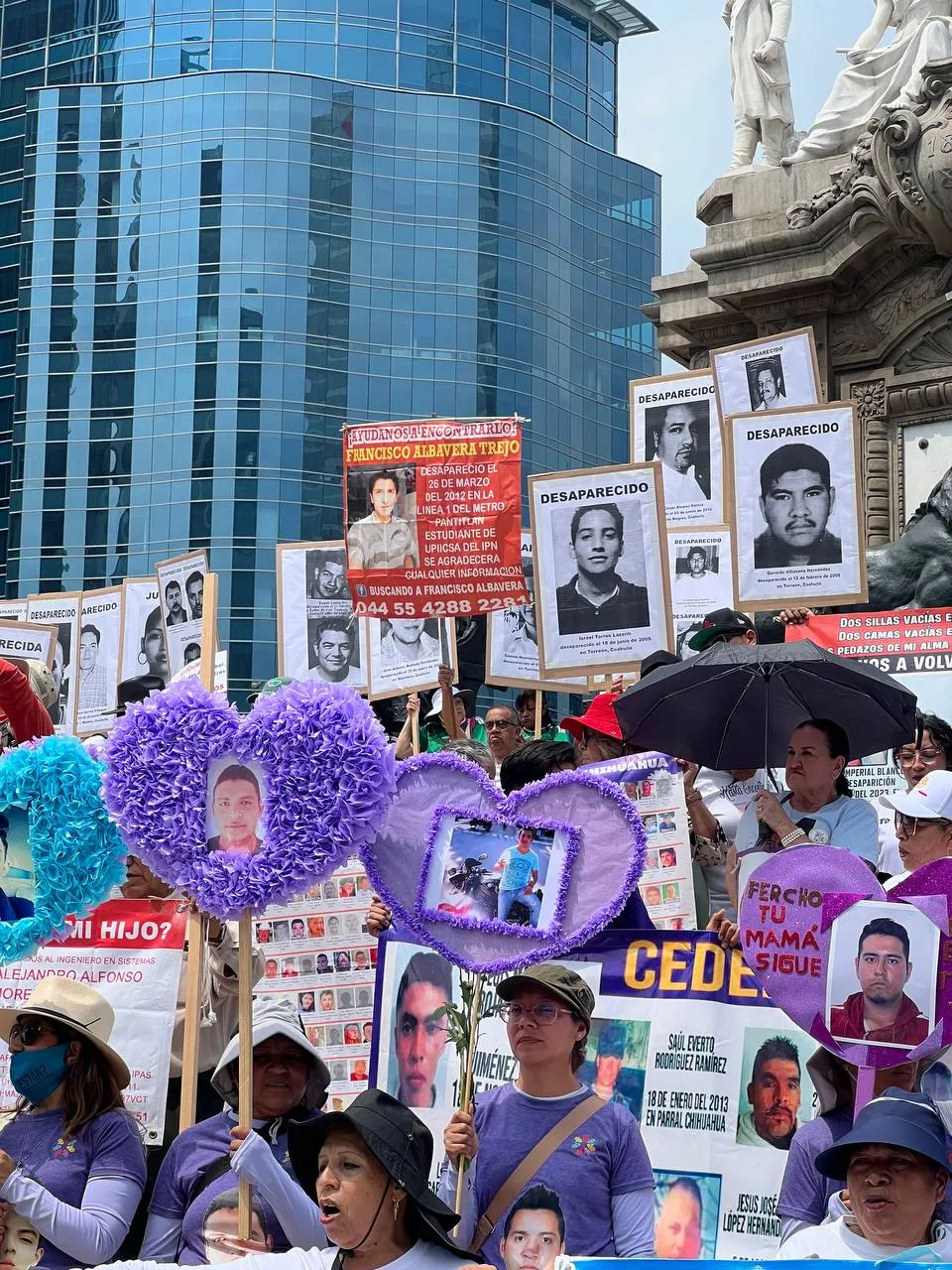
Mexican Congresswoman Margarita López Pérez has reported that independent coalitions of searching mothers have recovered approximately 1,600 milk teeth alongside other skeletal remains from an undocumented mass grave in Zacapu, Michoacán, with the grim discoveries dating back to 2021. The legislator’s disclosure brings renewed scrutiny to the state of forensic investigations in central Mexico, highlighting the grass-roots efforts undertaken by families to locate missing relatives amid a protracted national security crisis.
The state prosecutor’s office in Michoacán has publicly denied having any formal records or reports regarding the Zacapu site, creating an immediate standoff between legislative oversight and institutional accountability. This discrepancy underscores a persistent friction point in Mexico, where civilian-led search operations frequently operate outside official channels due to perceived institutional inertia, lack of trust, or outright denial by local authorities regarding the true scale of clandestine burials.
The phenomenon of the *madres buscadoras*—or searching mothers—has evolved over decades into a vital, albeit perilous, civil society movement. While early figures like Rosario Ibarra de Piedra established committees in the late 1970s to demand justice for victims of the Mexican Dirty War, contemporary groups have multiplied significantly in response to escalating cartel violence and enforced disappearances. Today, coalitions such as the Movimiento por Nuestros Desaparecidos en México coordinate dozens of regional chapters, utilizing amateur forensic techniques, tip-offs, and sheer persistence to unearth clandestine graves that official bodies have often overlooked or failed to investigate.
Operating on the front lines of Mexico’s security crisis carries profound personal risks for these activists. Beyond administrative friction and government skepticism, searching mothers regularly face direct hostility, threats, and violence from criminal organizations. Official figures from the Mexican Ministry of Security and Citizen Protection indicate that multiple women engaged in search activities have been murdered in recent years, including prominent activists gunned down near their homes. Despite these dangers, the coalitions continue to press forward, often serving as the primary mechanism for identification and closure for thousands of families affected by the nation's tens of thousands of missing persons cases.
The ongoing struggles of Mexico’s searching mothers highlight broader global concerns regarding the rule of law, institutional transparency, and human security in Latin America. For international observers and trade partners monitoring the region's stability, the persistent crisis of impunity and forced disappearances underscores the deep institutional challenges facing state governance. While distinct from traditional diplomatic or supply chain metrics, the erosion of public security and the state's capacity to protect human rights advocates remain critical barometers for the overall stability and long-term viability of democratic institutions in major regional economies.
Produced by our editorial team, with AI assistance in editing.
