
Mass protests erupt in Budapest as citizens oppose PM's bid to oust president.
Thousands of people took to the streets in the Hungarian capital of Budapest to protest against Prime Minister Péter Magyar's attempt to oust President Tam
Thousands of people took to the streets in the Hungarian capital of Budapest to protest against Prime Minister Péter Magyar's attempt to oust President Tamás Sulyok. Magyar accused Sulyok of failing to "fulfill" his duties and of neglecting to oppose the alleged anti-democratic measures of former Prime Minister Viktor Orbán. This protest marks a significant event in Hungary's political landscape, reflecting deep internal political tensions and divisions within the country.
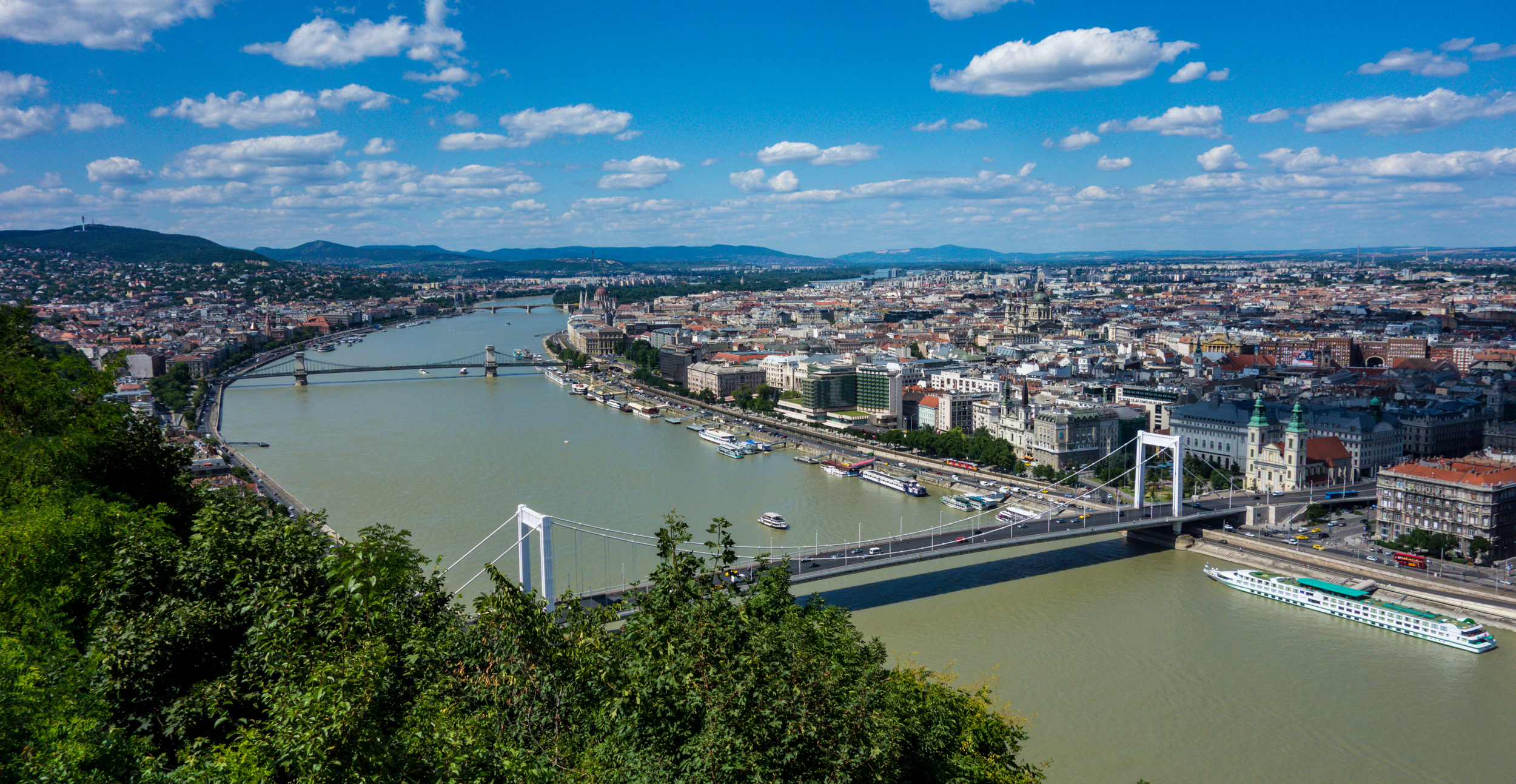
As Hungary's political, economic, and cultural hub, Budapest holds crucial strategic importance. Situated on the banks of the Danube River, connecting the hills of Transdanubia with the Great Plain, the city boasts a long history and rich cultural heritage. Budapest is Hungary's largest city, with a population of approximately 1.7 million and a metropolitan area of around 3.3 million, accounting for one-third of the nation's population and generating over 40 percent of its gross domestic product. Serving as the nation's political center as well as its economic and cultural core, the city exerts a vital influence on Hungary's development and stability.
In recent years, Hungary's political climate has remained tense, with the government of former Prime Minister Viktor Orbán facing criticism for adopting anti-democratic measures that restrict citizens' rights and freedoms. Orbán's administration has also been accused of undermining Hungary's rule of law and democratic institutions, drawing concern and criticism from the European Union and other international organizations. Now, Prime Minister Péter Magyar's attempt to remove President Tamás Sulyok has further intensified Hungary's political tensions and divisions.
The protests in Budapest not only reflect internal political friction within Hungary but have also attracted the attention of the international community. The European Union and other international bodies have closely monitored Hungary's political situation, urging the government to respect democracy and the rule of law. Meanwhile, the demonstrations in Budapest have drawn notice from other countries, with citizens and media worldwide following the political developments and protests in Hungary.
The protests in Budapest constitute a complex political event involving multiple facets of Hungary's politics, economy, and society. They not only mirror domestic political strain but have also sparked international attention and discussion. These demonstrations carry significant weight and implications for Hungary's future development and stability.
For Taiwan, Hungary's political situation and the protests in Budapest offer important reference points and lessons. As a democratic nation, Taiwan needs to observe and learn from the democratic and legal experiences of other countries. At the same time, Taiwan must pay attention to international political dynamics and development trends to better safeguard its sovereignty and security. The protests in Budapest serve as a reminder that democracy and the rule of law require continuous maintenance and defense, as well as the active participation and oversight of the public.
Produced by our editorial team, with AI assistance in editing.