
Mass Civil Unrest and Violent Clashes Enter Third Day Across France
Mass civil unrest entered its third consecutive day across France on Friday, leaving hundreds of people injured and prompting the emergency closure of more
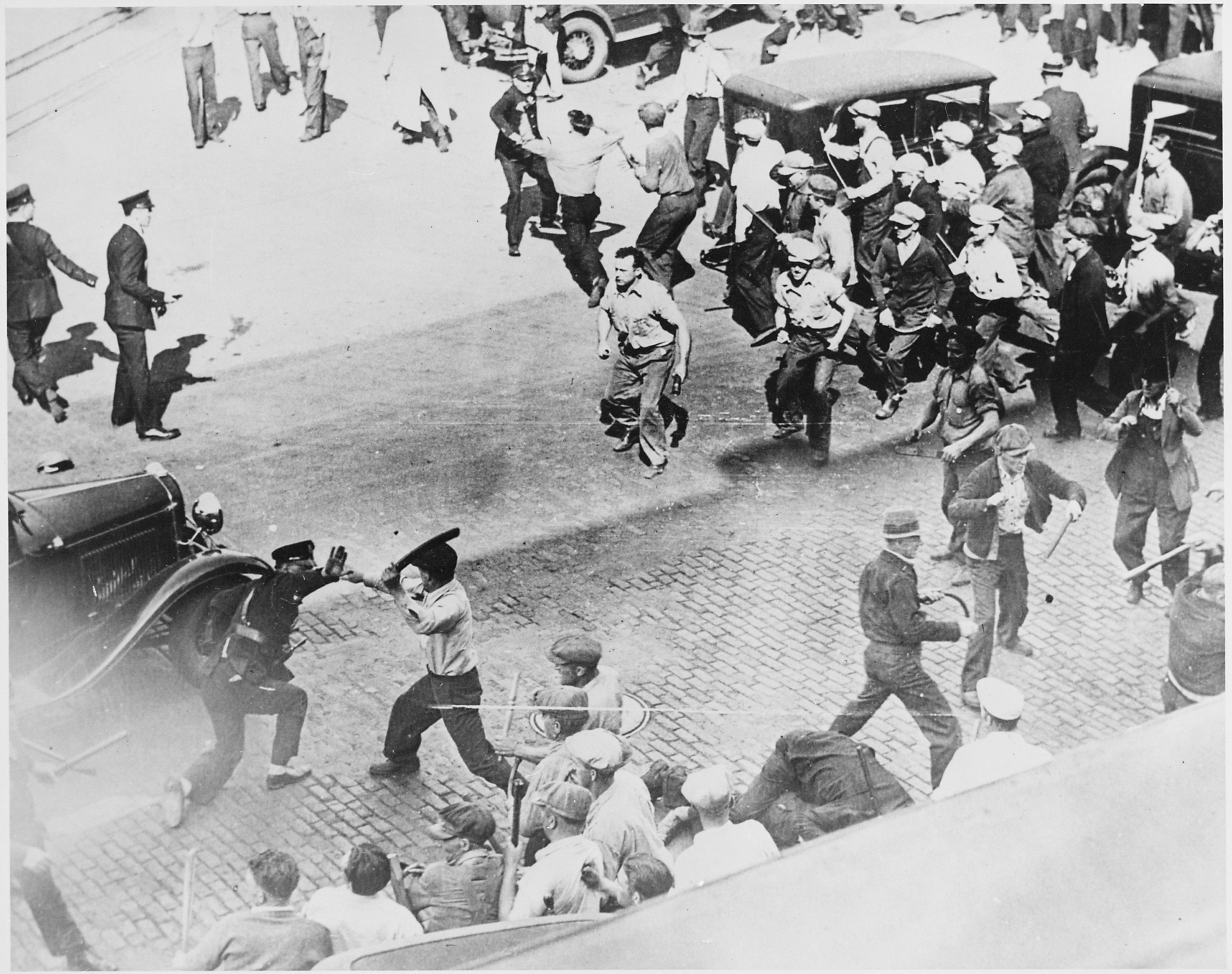
Mass civil unrest entered its third consecutive day across France on Friday, leaving hundreds of people injured and prompting the emergency closure of more than 735 schools nationwide. Law enforcement agencies reported that over 2,000 individuals have been taken into custody as volatile demonstrations and violent clashes persist in major urban centers. The sweeping disturbances have severely disrupted public services, transportation networks, and educational facilities, forcing municipal authorities to deploy heavy security details to restore public order.
The widespread demonstrations reflect deep-seated societal grievances and institutional discontent, mirroring historical patterns of civil unrest where decentralized crowds direct public anger against symbols of authority and infrastructure. While riots typically manifest as spontaneous eruptions of mob violence rather than centrally organized campaigns, they often stem from long-standing socio-economic friction, perceived government neglect, or systemic frustrations with existing legal channels for political expression. Property damage has heavily impacted commercial sectors, public spaces, and municipal facilities as demonstrators confront security forces in running street battles.
The French government has maintained a firm stance against the ongoing violence, deploying thousands of riot police and gendarmerie units to contain the affected zones and protect critical infrastructure. Authorities have emphasized the imperative of restoring public safety and upholding the rule of law, condemning the widespread destruction of public and private property. At the same time, civil rights advocates and community leaders have urged the administration to address the underlying socio-economic drivers fueling the unrest, pointing to persistent issues surrounding urban marginalization, economic inequality, and community-police relations.
As a major European economic hub and a core pillar of the European Union, prolonged domestic instability in France carries significant implications for regional stability, trade, and investor confidence. Extended disruptions to transportation, commerce, and public administration can create ripple effects across continental supply chains and undermine economic momentum at a delicate time for the eurozone. Furthermore, the handling of large-scale civil unrest serves as a critical test for European governance and security models in balancing the preservation of public order with the protection of democratic freedoms and civil rights.
Produced by our editorial team, with AI assistance in editing.