
Landslides Triggered by Heavy Rain Kill Four in India's Nagaland State
Extreme weather has struck the Mon District in Nagaland, Northeast India, where days of torrential rain have triggered severe landslides. According to the
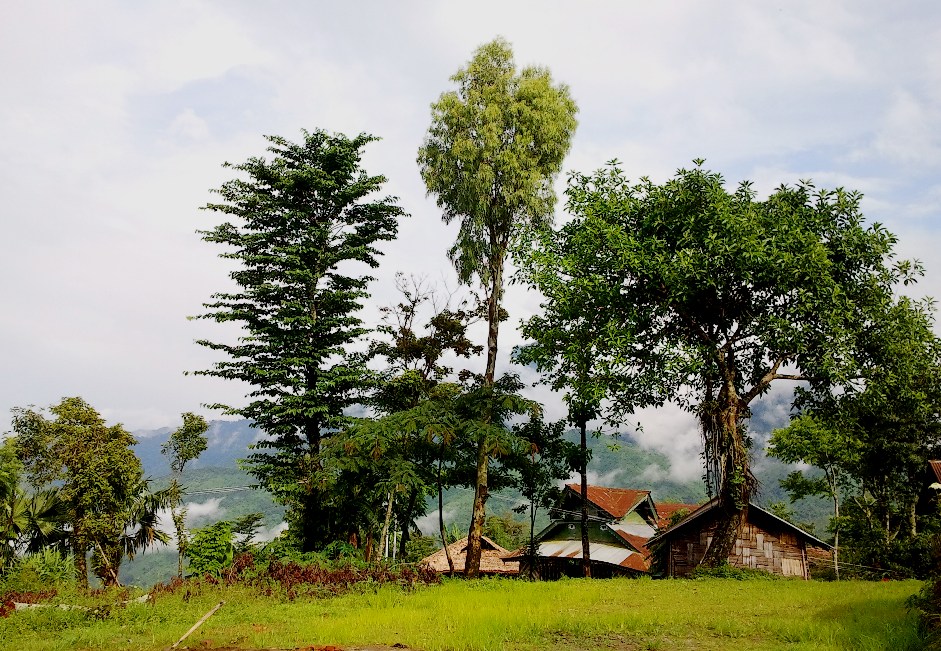
Extreme weather has struck the Mon District in Nagaland, Northeast India, where days of torrential rain have triggered severe landslides. According to the latest reports from local disaster management authorities, the landslides have claimed at least four lives, with four others currently missing. Numerous homes in the affected areas have been razed by mudslides, and critical infrastructure has sustained significant damage. Search and rescue teams are currently conducting exhaustive operations across the rugged terrain despite unstable weather conditions. However, adverse weather and muddy, treacherous ground continue to severely hamper rescue progress.
Located in the northern part of Nagaland, Mon is the state’s second-largest administrative district, characterized primarily by hilly and mountainous terrain with a population of over 250,000. Due to its fragile geographical environment, the region has long been considered a high-risk zone for geological disasters in Northeast India. During the monsoon season, the region is frequently plagued by landslides and mudslides, exacerbated by poor mountain drainage systems and vulnerable vegetation cover. The remote location of the current tragedy complicates the deployment of heavy machinery, highlighting the significant lack of infrastructure resilience in the region when faced with climate change and extreme rainfall.
Climatologists have observed that global warming has significantly altered rainfall patterns in Northeast India, with an increase in the frequency of "intense, short-duration" precipitation, which is notoriously difficult to forecast. Following the incident, the Nagaland state government activated emergency response mechanisms. The governor and local officials have urged the public to remain vigilant and directed relevant units to strengthen monitoring of high-risk mountain settlements. Nevertheless, balancing environmental conservation with development in remote mountainous areas remains a thorny policy challenge for the local government, and this disaster serves as a stark reminder of the urgent need for better land-use and disaster prevention planning.
For the international community, this event is a microcosm of the climate-driven disasters unfolding across Northeast India. In recent years, the Himalayan region and the mountainous Northeast have faced immense ecological pressure due to a combination of overdevelopment and extreme weather. Observers note that unless the local government integrates climate adaptation into the core strategy of urban and rural development in the coming years, similar tragedies are likely to recur. To the outside world, the disaster in Mon is not merely a regional geological event but a global lesson on how developing economies can strengthen their disaster warning and response capabilities in the face of climate disasters.
For Taiwan, which is also situated in a mountainous environment and faces complex geological risks from earthquakes and heavy rain, the situation resonates deeply. Through years of disaster prevention experience, Taiwan has established a relatively comprehensive landslide monitoring system and evacuation mechanism, utilizing real-time rainfall monitoring and big data analysis to effectively warn and evacuate mountain residents before disasters strike. Observing the plight of Nagaland, Taiwan is reminded of the vital importance of continued investment in mountain disaster prevention technology and the implementation of community disaster education. These efforts are not only essential for protecting lives domestically but also represent a key area for Taiwan to demonstrate its "soft power" through international humanitarian aid and the exchange of disaster prevention expertise.
Produced by our editorial team, with AI assistance in editing.
