
Landslide at Bangladesh Refugee Camp Leaves Multiple Children and Teachers Dead
A severe landslide at the Kutupalong refugee camp in Bangladesh has left seven children and a teacher dead. The tragedy occurred following heavy rainfall w
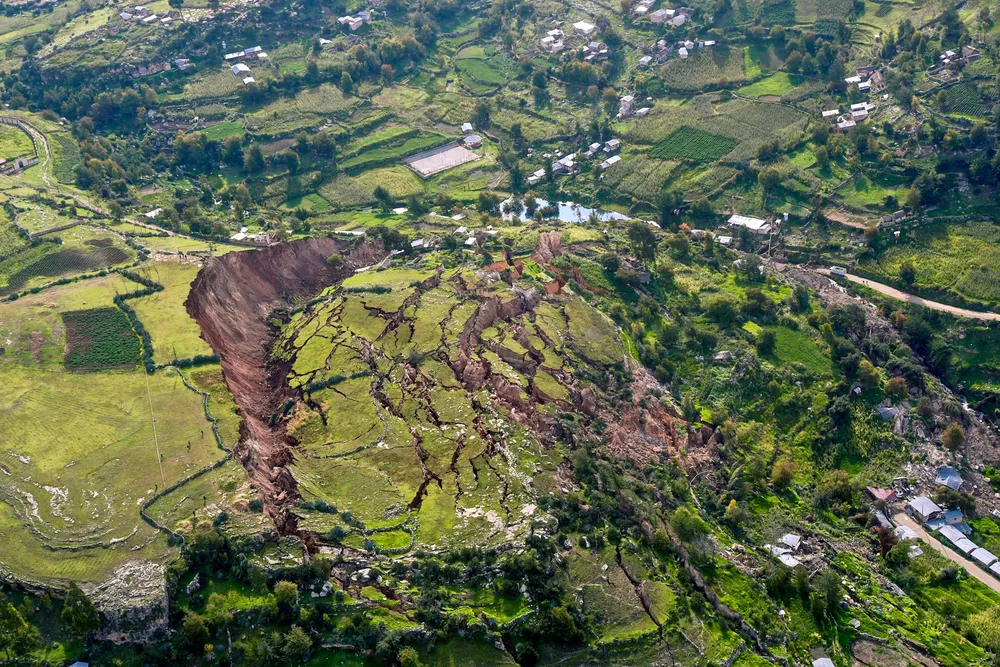
A severe landslide at the Kutupalong refugee camp in Bangladesh has left seven children and a teacher dead. The tragedy occurred following heavy rainfall while the children were attending class. Located in Bangladesh's Cox's Bazar district, the camp is the largest Rohingya refugee camp in the world, housing hundreds of thousands of Rohingya refugees.
Landslides are a common natural disaster typically caused by ground movement, including rockfalls and mudflows. Such disasters can occur in a variety of environments, ranging from mountainous areas to coastal cliffs, and even underwater. Gravity is the primary driving force behind landslides, though other factors such as slope gradient and geological structure also affect slope stability. Many landslide events are triggered by specific occurrences, such as heavy rain, earthquakes, or human activities like road excavation. However, the causes of landslides are often complex and require the comprehensive consideration of multiple factors.
Human activities frequently exacerbate landslide risks; phenomena such as urban expansion, mining, and deforestation lead to land degradation, thereby reducing soil stability. In addition, global warming and other environmental issues increase both the frequency and intensity of landslides. Consequently, understanding the causes and risks of landslides is crucial for preventing and mitigating disaster losses.
At the Kutupalong refugee camp in Bangladesh, the risk of landslides is particularly high due to the unstable geological structure of the region and the fact that the camp's construction often lacked adequate consideration of geological safety. Furthermore, the living environment within the camp is dense with a large population, meaning that a landslide can cause severe harm to residents. Therefore, the international community needs to pay attention to this issue and provide necessary assistance and support to help camp residents improve their living conditions and reduce landslide risks.
Preventing and mitigating landslides requires multi-faceted measures, including strengthening geological surveys and monitoring, improving land use and planning, and enhancing public awareness and education. In addition, governments and international organizations must cooperate to provide the necessary resources and support to help residents in disaster-affected areas recover and rebuild.
For Taiwan, the risk of landslides also exists, particularly in the mountainous regions of the east and south. Therefore, Taiwan must pay attention to this issue by strengthening geological surveys and monitoring, improving land use and planning, and enhancing public awareness and education to prevent and reduce landslide risks. Furthermore, Taiwan can learn from the experience of the international community, drawing on the practices and achievements of other countries and regions in landslide prevention and mitigation to jointly work toward reducing landslide risks and losses.
Produced by our editorial team, with AI assistance in editing.