
Landfill collapse in Conakry kills 30, injures six, traps shanty dwellers
At least 30 people were killed and six more injured on Thursday when a massive section of a landfill in Conakry, Guinea’s capital, gave way, sending tonnes
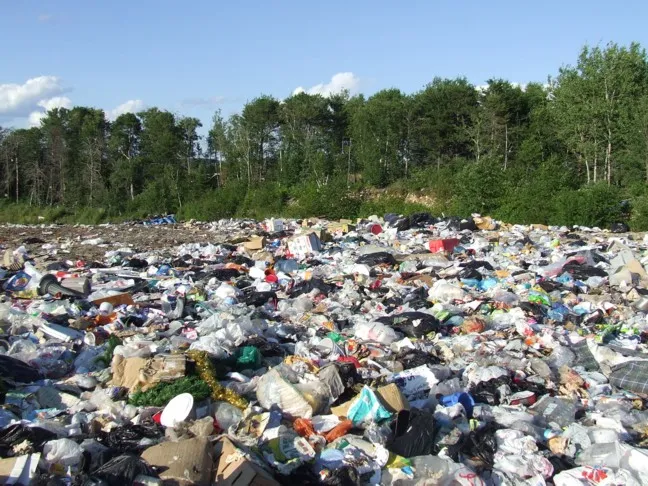
At least 30 people were killed and six more injured on Thursday when a massive section of a landfill in Conakry, Guinea’s capital, gave way, sending tonnes of waste and debris down onto nearby shanty houses. The collapse occurred in the early afternoon near the city’s primary dumping site on the outskirts of the N’Zérékoré district, trapping families who had set up informal shelters among the rubbish piles. Emergency services, supported by the Guinean Red Cross and United Nations agencies, rushed to the scene, but the sheer volume of material and the instability of the ground hampered rescue efforts.
Guinea, like many rapidly urbanising African nations, relies heavily on open‑air landfills for municipal waste disposal. These sites, often little more than unlined pits, have been the default solution since the mid‑20th century, when the practice of covering waste with daily, intermediate and final layers began to spread globally. In Conakry, the landfill in question has served the city’s growing population for decades, handling everything from household refuse to industrial by‑products. However, the lack of proper engineering controls, such as compaction, leachate collection and gas venting systems, has made the site vulnerable to structural failure, especially during the rainy season when the ground becomes saturated and the waste mass can liquefy.
Local authorities have faced criticism for allowing the landfill to operate without adequate safety measures. The Ministry of Environment and Sustainable Development, which oversees waste management, acknowledged that the site had not been upgraded to meet modern standards and that funding constraints had delayed planned improvements. In a statement released after the tragedy, the minister promised a “comprehensive audit” of all waste disposal sites in the country and pledged to allocate emergency funds for the relocation of families living near the landfill. Meanwhile, community leaders and non‑governmental organisations, such as the Guinean Association for Environmental Protection, have called for an immediate halt to the use of unengineered dumps and for the adoption of integrated solid‑waste management strategies, including recycling, composting and the development of sanitary landfills with proper liners and gas capture.
The incident also highlights broader environmental and health risks associated with poorly managed landfills. Decomposing waste emits methane and other greenhouse gases that contribute to climate change, while leachate—liquid that percolates through the waste—often carries hazardous substances into groundwater and surface water, contaminating drinking supplies and agricultural soils. In densely populated urban areas like Conakry, these impacts are amplified, exposing residents to respiratory ailments, waterborne diseases and long‑term ecological degradation. International bodies such as the United Nations Environment Programme have repeatedly warned that without systematic reforms, West African cities will face escalating public‑health crises and environmental damage.
The human toll of the Conakry collapse underscores the urgent need for policy overhaul and investment in safer waste infrastructure across the region. While the tragedy is a stark reminder of the vulnerabilities inherent in informal waste disposal, it also presents an opportunity for Guinea to align its waste‑management practices with global best practices, potentially attracting development assistance and private‑sector partnerships. Strengthening regulatory frameworks, improving monitoring, and engaging local communities in waste‑reduction initiatives could mitigate future disasters and enhance overall urban resilience.
For the wider West African region, the incident serves as a cautionary tale about the intersection of rapid urban growth, inadequate waste management, and public safety. As economies expand and consumption patterns shift, the pressure on existing landfill sites will intensify, making the adoption of sustainable, climate‑compatible waste solutions not merely an environmental imperative but a critical component of economic stability and public health. The Conakry collapse may therefore catalyse a regional dialogue on modernizing waste infrastructure, a step that could protect lives, preserve ecosystems and support the long‑term development goals of nations across the Sahel and beyond.
Produced by our editorial team, with AI assistance in editing.
