Kimi Antonelli Wins Italian Grand Prix, First Home Victory Since 1966
Mercedes driver Kimi Antonelli clinched victory at the Italian Grand Prix on Sunday, turning the historic Autodromo Nazionale Monza into a stage for a mome
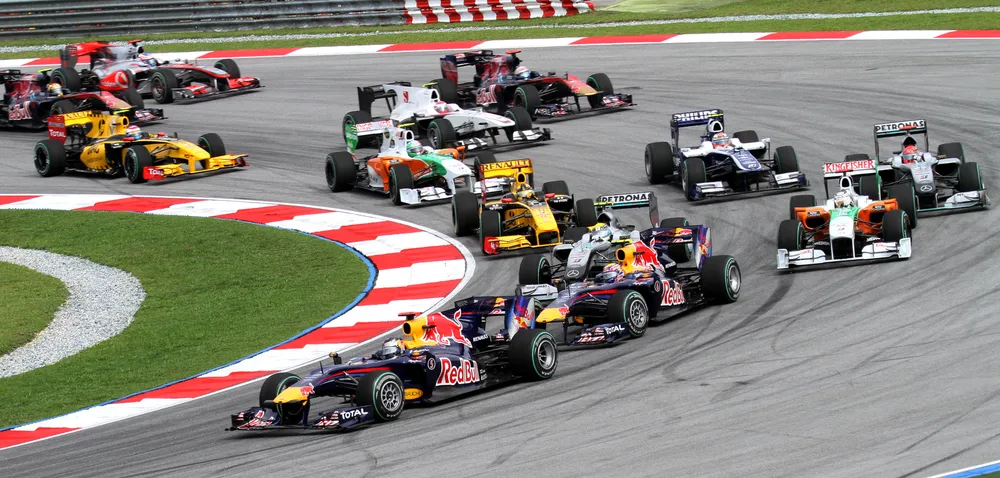
Mercedes driver Kimi Antonelli clinched victory at the Italian Grand Prix on Sunday, turning the historic Autodromo Nazionale Monza into a stage for a moment that has not been seen in six decades. The 24‑year‑old, racing under the Mercedes banner, crossed the finish line ahead of his closest rivals by 1.7 seconds, becoming the first Italian driver to win his home Grand Prix since Ludovico Scarfiotti’s triumph in 1966. The win was secured on a dry, fast‑flowing circuit that rewarded Antonelli’s qualifying pace and strategic tyre management throughout the 53‑lap race.
The Italian Grand Prix, one of the oldest fixtures on the Formula One calendar, carries a particular weight for both the sport and the host nation. Monza, often dubbed “the Temple of Speed,” has been a proving ground for drivers since the inaugural World Championship season in 1950. Italian fans, long accustomed to seeing foreign champions dominate the event, have been yearning for a home hero after a 60‑year gap. Scarfiotti’s 1966 victory remains a touchstone for Italian motorsport, and Antonelli’s success has reignited a sense of national pride that extends beyond the racetrack, echoing through local media and public celebrations in Milan and Rome.
Formula One remains the premier global platform for open‑wheel, single‑seater racing, governed by the Fédération Internationale de l’Automobile (FIA). The championship comprises a series of Grands Prix held on Grade One circuits across multiple continents, each contributing points toward two annual titles: the Drivers’ World Championship and the Constructors’ Championship. Drivers must possess a Super Licence, the FIA’s highest racing credential, while teams operate under stringent technical and financial regulations. Since 2017, the commercial rights have been managed by Liberty Media, a U.S. conglomerate that has pursued a strategy of expanding the sport’s digital footprint and diversifying its revenue streams through broadcasting deals and sponsorships.
Mercedes, the team that fielded Antonelli, hailed the result as a testament to its engineering depth and driver development programme. Team principal Ola Källenius highlighted the seamless integration of the young Italian into a car that has been tuned for the high‑speed demands of Monza, noting that the victory bolsters Mercedes’ position in the ongoing constructors’ battle against rivals such as Red Bull Racing and Ferrari. For Antonelli, the win marks a rapid ascent in a sport where experience and consistency are prized; his performance has already sparked speculation about his potential challenge for the season’s championship. Italian fans, meanwhile, have flooded social media with tributes, and the nation’s motorsport federation has promised to leverage the moment to inspire the next generation of drivers.
Beyond the immediate sporting narrative, the victory holds relevance for Taiwan and the broader Asia‑Pacific region. Modern Formula One cars rely heavily on advanced semiconductor components for engine control, telemetry, and driver‑assist systems—areas where Taiwan’s chip manufacturers, notably Taiwan Semiconductor Manufacturing Company (TSMC), are global leaders. The heightened visibility of the sport in Europe can translate into increased demand for high‑performance electronics, reinforcing supply‑chain linkages that involve Taiwanese firms. Moreover, Liberty Media’s aggressive push into Asian markets, including recent broadcast agreements in Taiwan, aims to capture a growing fan base, potentially boosting tourism and ancillary revenue for host venues like Monza. Antonelli’s win, therefore, not only reshapes the competitive landscape of the 2024 season but also underscores the interdependence between elite motorsport and Taiwan’s pivotal role in the high‑tech ecosystem that powers it.
Produced by our editorial team, with AI assistance in editing.