
Kagan and Soai Win Nobel Prize in Chemistry for Asymmetric Synthesis
French chemist Henri B. Kagan and Japanese organic chemist Kensō Soai have been jointly awarded the Nobel Prize in Chemistry for their groundbreaking work
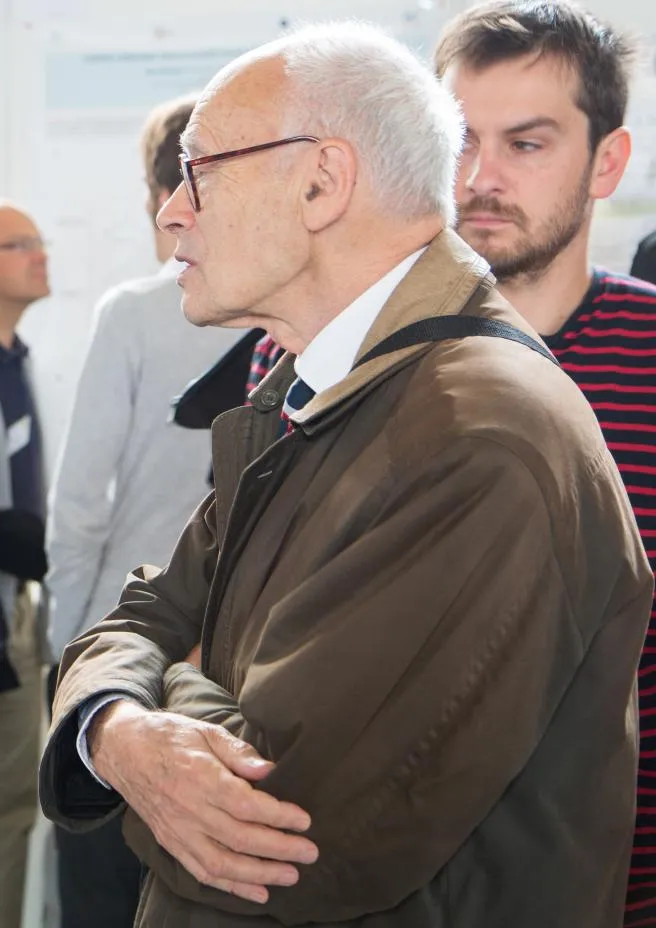
French chemist Henri B. Kagan and Japanese organic chemist Kensō Soai have been jointly awarded the Nobel Prize in Chemistry for their groundbreaking work on the discovery of non-linear effects and autocatalysis in asymmetric organic synthesis. The announcement highlights a foundational contribution to chemical science that has profoundly influenced how complex molecules are synthesized in laboratories and industrial settings alike, particularly in the production of pharmaceuticals.
Professor Kagan, an emeritus professor at Paris-Saclay University in France and a widely recognized pioneer in asymmetric catalysis, laid critical groundwork through his decades of research into reactions that selectively produce a single mirror-image form of a molecule. Professor Soai, affiliated with the Tokyo University of Science, expanded upon these principles by discovering autocatalytic processes where a chiral product acts as a catalyst for its own formation, famously demonstrating profound amplification of enantiomeric excess through non-linear effects.
The significance of their work lies in the fundamental nature of molecular chirality, a property where certain molecules exist in two distinct forms that are non-superimposable mirror images, much like a pair of human hands. In biology and medicine, these two forms—known as enantiomers—frequently exhibit entirely different physiological effects. While one enantiomer may provide the desired therapeutic benefit, its mirror image can be inactive or even harmful. Before the breakthroughs made by Kagan and Soai, selectively producing the correct enantiomer on a commercial scale was a major chemical hurdle.
By uncovering the mechanics of asymmetric autocatalysis and non-linear effects, the laureates provided scientists with the tools to predict, control, and enhance the purity of chiral compounds with unprecedented precision. This theoretical leap transformed industrial chemistry, allowing pharmaceutical manufacturers to streamline the production of life-saving drugs, agrochemicals, and advanced materials while minimizing chemical waste and production costs.
For the global high-tech and pharmaceutical supply chains, including those connected to advanced economies in the Indo-Pacific, foundational chemistry research of this caliber underpins the manufacturing of complex active pharmaceutical ingredients. As supply chain resilience and chemical manufacturing standards remain a priority across global markets, the recognition of Kagan and Soai underscores the enduring economic and public health dividends generated by fundamental scientific inquiry.
Produced by our editorial team, with AI assistance in editing.
