Jensen Huang Returns as Nvidia CEO Less Than Two Weeks After Resigning
US multinational technology giant Nvidia announced this week that founder Jensen Huang will resume his role as president and chief executive officer. This
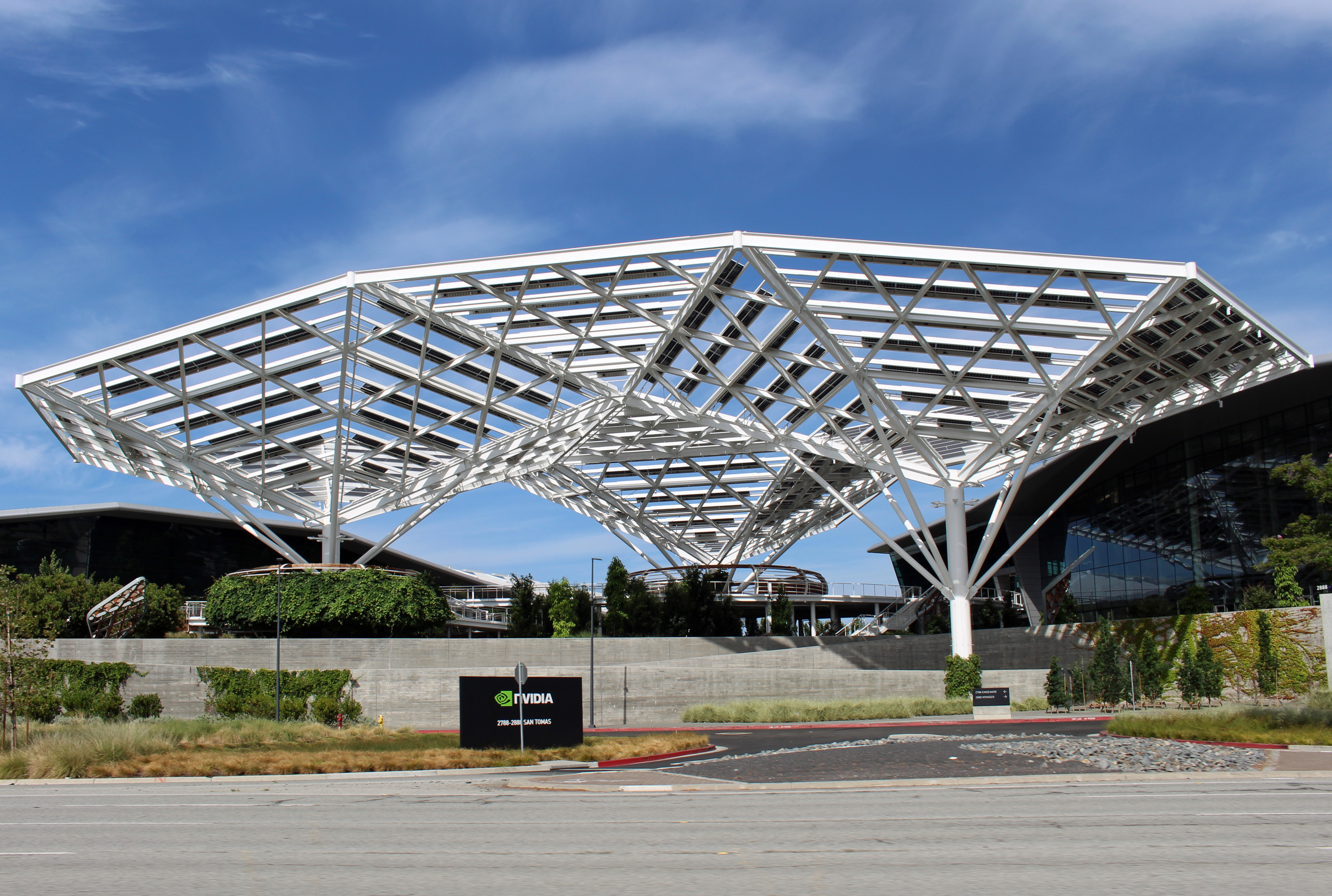
US multinational technology giant Nvidia announced this week that founder Jensen Huang will resume his role as president and chief executive officer. This personnel change comes less than two weeks after he resigned following a scandal involving an alleged affair with a woman suspected of conducting espionage for China, Alice Huang. The Nvidia board of directors' decision quickly restores the original leadership core of the world's most valuable AI chip titan, temporarily bringing a close to the recent controversy that shook the technology and intelligence communities.
The controversy began when US intelligence agencies investigated Alice Huang over suspicions of conducting intelligence work for the Chinese government. Her intimate relationship with Jensen Huang subsequently came to light, sparking concerns over national security and the leakage of core corporate secrets. When the scandal broke, Jensen Huang immediately announced his resignation as CEO to prevent personal controversies from damaging the company's reputation and operations. However, after less than two weeks of internal evaluation and board review, Nvidia decided to return the visionary leader who steered the company to its peak to the helm.
Headquartered in Santa Clara, California, Nvidia was founded in 1993 and originally started by developing graphics processing units (GPUs) for gaming. In recent years, the company has successfully expanded its business territory into artificial intelligence, data science, and high-performance computing. With the global explosion of generative AI, market demand for AI data center hardware has grown exponentially. Nvidia's market capitalization has soared all the way, successively breaking through the 4 trillion and 5 trillion US dollar milestones in 2025 to become the world's most valuable publicly traded company, with Jensen Huang's personal leadership and strategic vision considered indispensable keys to the company's success.
Despite Jensen Huang's swift return, this incident still exposed the vulnerability of tech giants heavily reliant on a single core leader when facing geopolitical and security scrutiny. In recent years, US intelligence agencies have continuously closely monitored Chinese infiltration and technology theft targeting US enterprises. This private morality scandal involving transnational espionage suspicions not only once drew high attention from US politicians and regulatory agencies, but also prompted outsiders to re-examine the security defenses of technology supply chains amid the US-China tech war. In the future, Nvidia is likely to face stricter scrutiny regarding the export of sensitive technology and regulatory compliance.
For Taiwan, as Nvidia is the global AI hardware heavyweight, its supply chain relies heavily on Taiwan's semiconductor manufacturing ecosystem. From TSMC's advanced nodes to packaging, testing, and downstream server assembly, operations are inextricably linked with Taiwan's industry. Jensen Huang's return helps ensure stability in Nvidia's high-level decision-making, thereby maintaining that Taiwanese manufacturers' shipping sequences and capacity planning in AI chip foundry and supply chains remain undisturbed by political storms. This incident also highlights the reality of the deep entanglement between the current high-tech industry and geopolitics. While deeply participating in the global AI supply chain, Taiwan must also maintain a high degree of risk awareness and contingency capabilities in the face of technology competition and intelligence sensitivities between the US and China.
Produced by our editorial team, with AI assistance in editing.