
Israel's Central Elections Committee Disqualifies Ra'am and Joint Arab List for Elections
The Israeli Central Elections Committee has voted to disqualify the Islamist faction Ra'am and all constituent parties of the Joint Arab List from particip
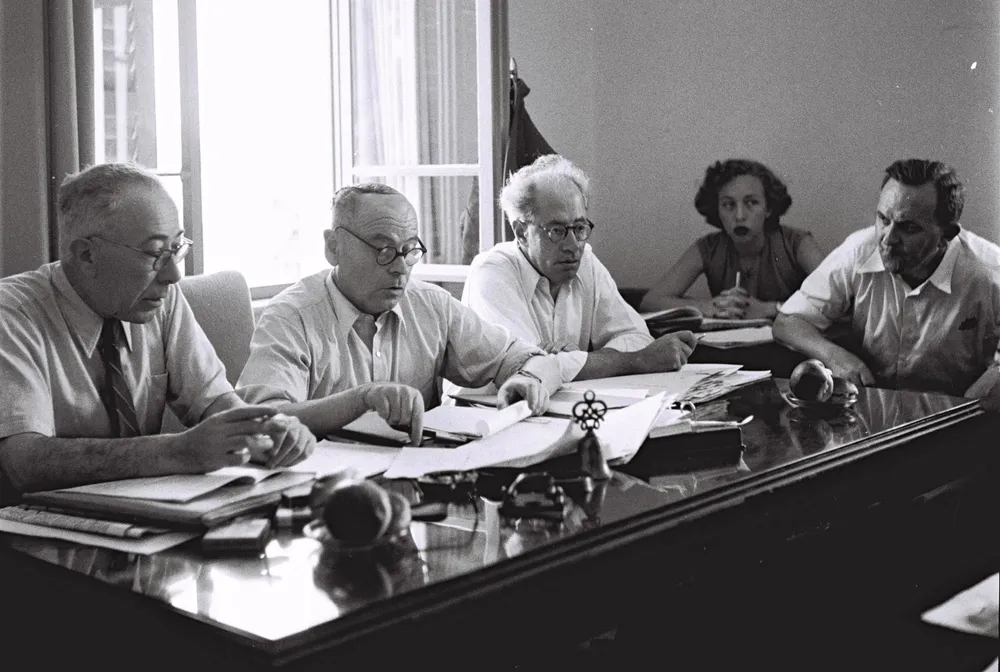
The Israeli Central Elections Committee has voted to disqualify the Islamist faction Ra'am and all constituent parties of the Joint Arab List from participating in the upcoming legislative elections. The decision, handed down following allegations that the targeted political entities and their representatives promoted terrorism against the state, also specifically bars Balad faction leader Sami Abu Shehadeh and Hadash lawmaker Ofer Cassif from running for seats in the Knesset.
Under the Knesset Elections Law of 1969, the Central Elections Committee is tasked with overseeing the administration of national ballots, including the formal authorization of competing political factions. Composed of delegates and parliamentarians representing diverse political groups and chaired by a sitting Supreme Court Justice, the committee serves as the primary legal gatekeeper for Israel's electoral landscape. Its rulings on candidate disqualification carry significant weight, though they are traditionally subject to judicial review by Israel’s High Court of Justice.
The disqualifications stem from longstanding legal disputes concerning Article 7A of Israel's Basic Law, which bars lists and individuals that explicitly or implicitly deny Israel's existence as a Jewish and democratic state, incite racism, or support armed struggle by a terrorist organization or state against Israel. Proponents of the bans argue that rhetoric and past actions from certain Arab politicians cross the line from legitimate political opposition into disloyalty and support for hostile actors. Critics of the measure, however, contend that the rulings are politically motivated attempts to disenfranchise the nation's Arab minority and suppress legitimate political dissent within the legislature.
Legal challenges to the committee's decision are expected to move swiftly to the Supreme Court, which holds the ultimate authority to overturn or uphold the bans. Historically, the country's high court has often overturned similar disqualifications voted on by the committee, maintaining a high threshold for barring political parties from participating in democratic elections. The outcome of these impending appeals will not only determine the final composition of the parliamentary ballot but will also heavily influence voter turnout and political mobilization among Arab citizens of Israel.
For the wider Middle East and the international community, the ongoing legal and political battles surrounding Arab representation in the Knesset highlight the complex internal democratic tensions within Israel. As a key Western-aligned democracy in a volatile region, the integrity of Israel's electoral processes and its treatment of minority political rights remain matters of close diplomatic observation for foreign governments and international human rights organizations monitoring the rule of law in the region.
Produced by our editorial team, with AI assistance in editing.
