Iraq Attacks Saudi East‑West Pipeline with Projectiles, Stops Flow
Multiple projectile explosives launched from Iraq struck a series of pumping stations on Saudi Arabia’s East–West Crude Oil Pipeline, setting the infrastru
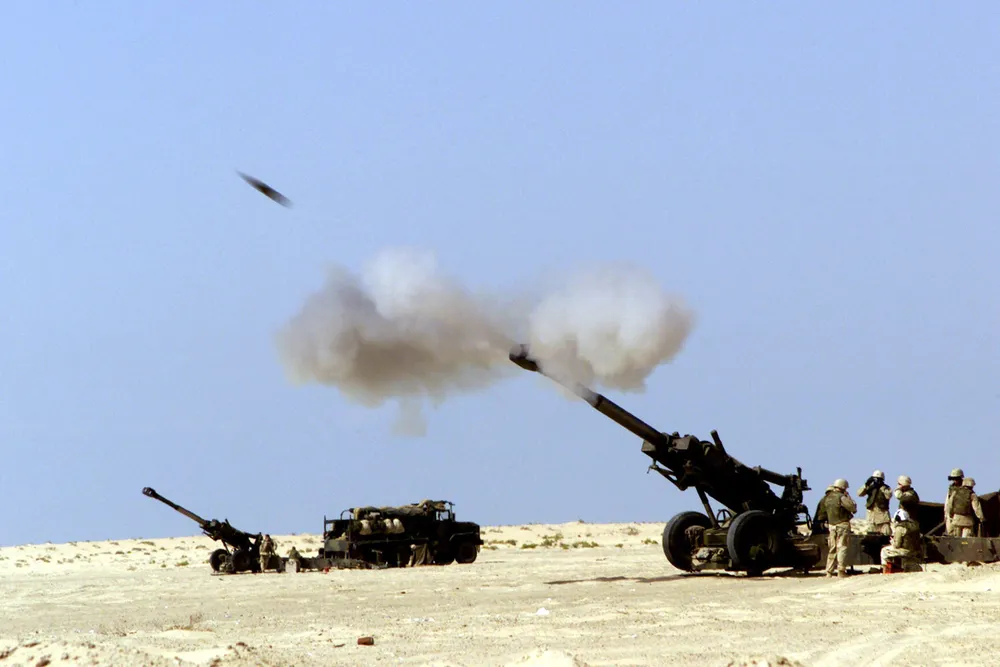
Multiple projectile explosives launched from Iraq struck a series of pumping stations on Saudi Arabia’s East–West Crude Oil Pipeline, setting the infrastructure ablaze on Tuesday night. The attack, confirmed by Saudi security officials, caused a temporary shutdown of the 1,200‑kilometre pipeline that transports crude from the Eastern Province to the western coast for export. No casualties have been reported, and the Saudi government has pledged to restore the line as quickly as possible while investigating the perpetrators.
The East–West pipeline is a critical artery in the Kingdom’s oil export system, handling roughly 30 % of Saudi crude flow. In recent years it has been a target for militant groups seeking to disrupt global energy markets and to pressure the Saudi government over regional disputes. Iraq’s proximity to the pipeline and its own internal security challenges have made it a strategic launch point for hostile actors. Analysts note that the use of projectile explosives—a weapon that is propelled by an external force and follows a ballistic trajectory—suggests a level of technical capability that goes beyond simple improvised devices. The projectiles’ design allows them to travel considerable distances while delivering explosive payloads that can breach infrastructure.
Saudi officials have condemned the attack as an act of terrorism and have urged the international community to support efforts to secure the pipeline. Meanwhile, Iraqi authorities have been slow to respond, citing internal security constraints. Some experts point to Iran‑backed militias operating in northern Iraq as likely sponsors, given their history of targeting Saudi infrastructure. The Iranian government has denied any involvement, but Tehran’s rhetoric toward Saudi Arabia remains hostile, framing the Kingdom’s oil exports as a symbol of Western influence in the region. The incident also comes amid heightened tensions between Saudi Arabia and its Gulf neighbours, as well as ongoing diplomatic efforts to resolve the conflict in Yemen.
From a technical standpoint, the projectiles used in the attack were likely launched using surface‑to‑ground rockets or artillery systems capable of delivering a high‑explosive payload over a distance of several kilometres. Ballistic analysis indicates that the devices were launched at an angle that maximized range while minimizing detection, a tactic common among non‑state actors with limited resources but growing expertise in missile technology. Saudi engineers have begun to assess the damage to the pumping stations and the integrity of the pipeline’s protective coatings, with preliminary reports suggesting that the fire may have caused significant corrosion and potential leaks.
The incident raises several security and economic concerns. Disruption of the East–West pipeline could tighten global oil supplies, potentially driving up prices and exacerbating volatility in commodity markets. The Saudi government’s response—including increased security patrols, radar monitoring, and diplomatic pressure on Iraq—may further strain bilateral relations. Additionally, the attack highlights the vulnerability of critical infrastructure to asymmetric threats, prompting a review of protective measures across the Gulf region. For companies operating in the Middle East, the incident underscores the need for robust risk assessments and contingency planning in supply chain management.
For Taiwan and the wider region, the attack underscores the fragility of global energy flows. Taiwan, which imports a substantial portion of its energy from the Middle East, could face increased fuel costs if the incident leads to sustained disruptions in crude exports. Moreover, the event illustrates how regional instability can ripple through supply chains and affect even distant economies. In a broader sense, the incident serves as a reminder of the interconnected nature of global markets and the importance of maintaining resilient infrastructure to safeguard national security and economic stability.
Produced by our editorial team, with AI assistance in editing.