
IOC lifts Russia ban, allowing neutral athletes in LA Olympics
The International Olympic Committee (IOC) recently announced the lifting of the ban on Russian athletes, permitting them to participate in the upcoming Sum
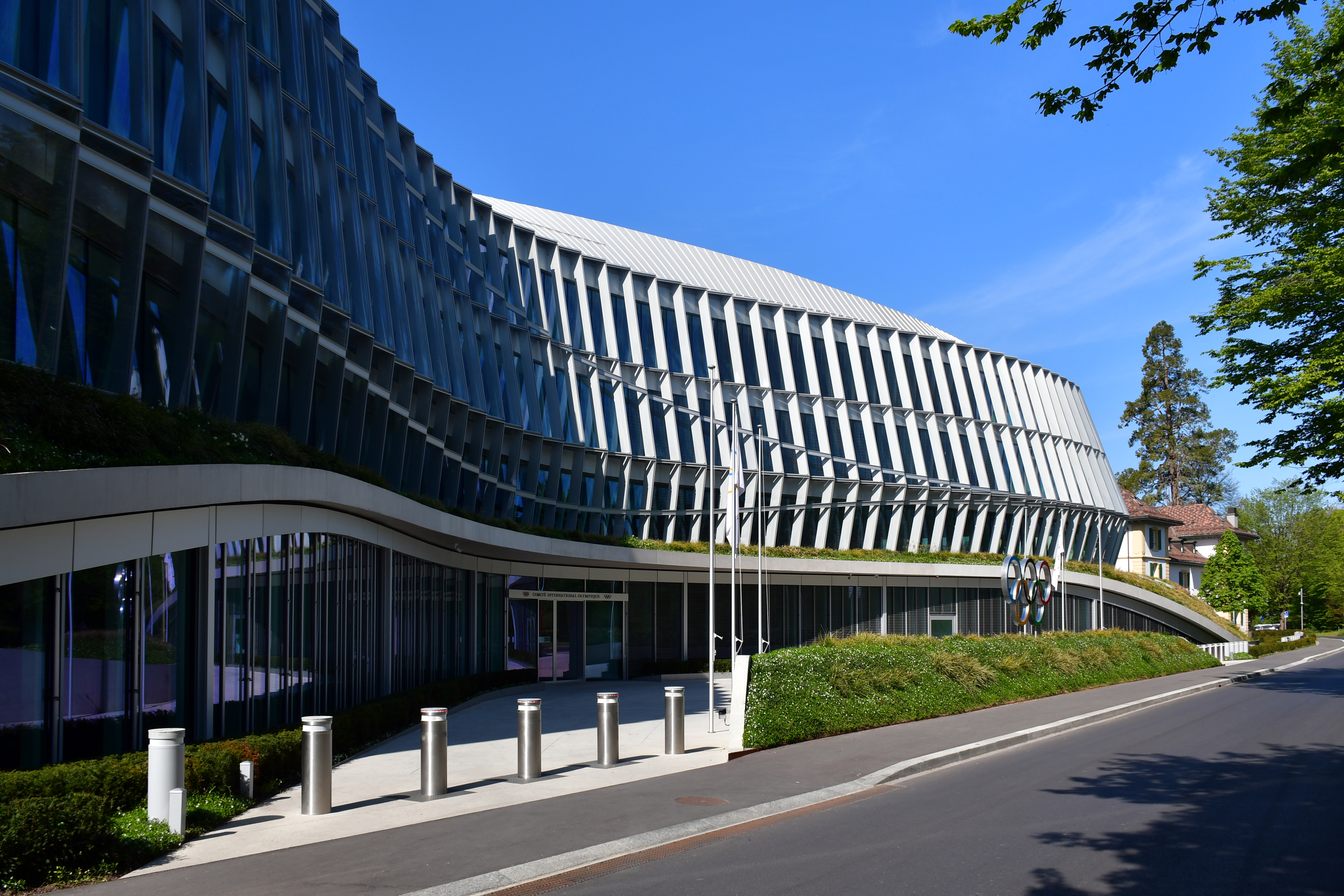
The International Olympic Committee (IOC) recently announced the lifting of the ban on Russian athletes, permitting them to participate in the upcoming Summer Olympic Games in Los Angeles, United States. This decision comes against the backdrop of previous bans that prevented Russian athletes from competing under their national flag due to doping scandals and the 2022 invasion of Ukraine.
The International Olympic Committee is the international non-governmental organization responsible for organizing the modern Olympic Games. Founded in 1894 by Pierre de Coubertin and Demetrios Vikelas, the organization is headquartered in Lausanne, Switzerland, and is responsible for staging the Summer, Winter, and Youth Olympic Games. Furthermore, the IOC serves as the governing body for National Olympic Committees and the global Olympic movement, encompassing all entities and individuals participating in the Games. Since 2025, the IOC has been led by President Kirsty Coventry. As of 2026, a total of 206 countries and territories are officially recognized by the IOC and participate in the Olympic Games.
The ban on Russian athletes originated from a 2015 doping scandal, which prompted the IOC to investigate and penalize Russia. In 2022, Russia's invasion of Ukraine led to widespread international economic and sporting sanctions against the country, during which the IOC also imposed a ban preventing Russian athletes from competing under the Russian flag. However, the IOC's recent decision will allow Russian athletes to participate in the Summer Olympics under a neutral status, sparking widespread attention and controversy.
For Russian athletes, this decision means they will have the opportunity to participate in the Olympics and showcase their strength and achievements. However, for Ukraine and other nations, the IOC's decision may be viewed as leniency and appeasement toward Russia, potentially exacerbating regional tensions and instability. Consequently, the IOC's decision requires careful evaluation and consideration to ensure the fairness and integrity of the Olympic Games.
As the Summer Olympics approach, the IOC's decision will have a profound impact on athletes, nations, and the global sports community. National Olympic Committees and athletes must carefully assess and respond to this decision to ensure that their rights and interests are not compromised. At the same time, the IOC must continue its efforts to uphold fairness and justice in the Games, ensuring that athletes and nations can compete and interact in a fair and friendly environment.
For Taiwan, although the IOC's decision has no direct connection to the island, it holds significant importance for understanding international geopolitics and sports diplomacy. As an active participant in international sporting events, Taiwan needs to monitor and understand the decisions and policies of the IOC to ensure that its rights and interests remain uncompromised. Concurrently, Taiwan must continue to enhance its athletic strength and international influence to secure its standing and reputation within the global sports community.
Produced by our editorial team, with AI assistance in editing.