
Iceland's Revived Whaling Industry Sparks Controversy and Public Scrutiny.
A commercial whaling ship from Iceland has set sail from Reykjavik, marking the country's resumption of whaling activities after a two-year hiatus. The wha
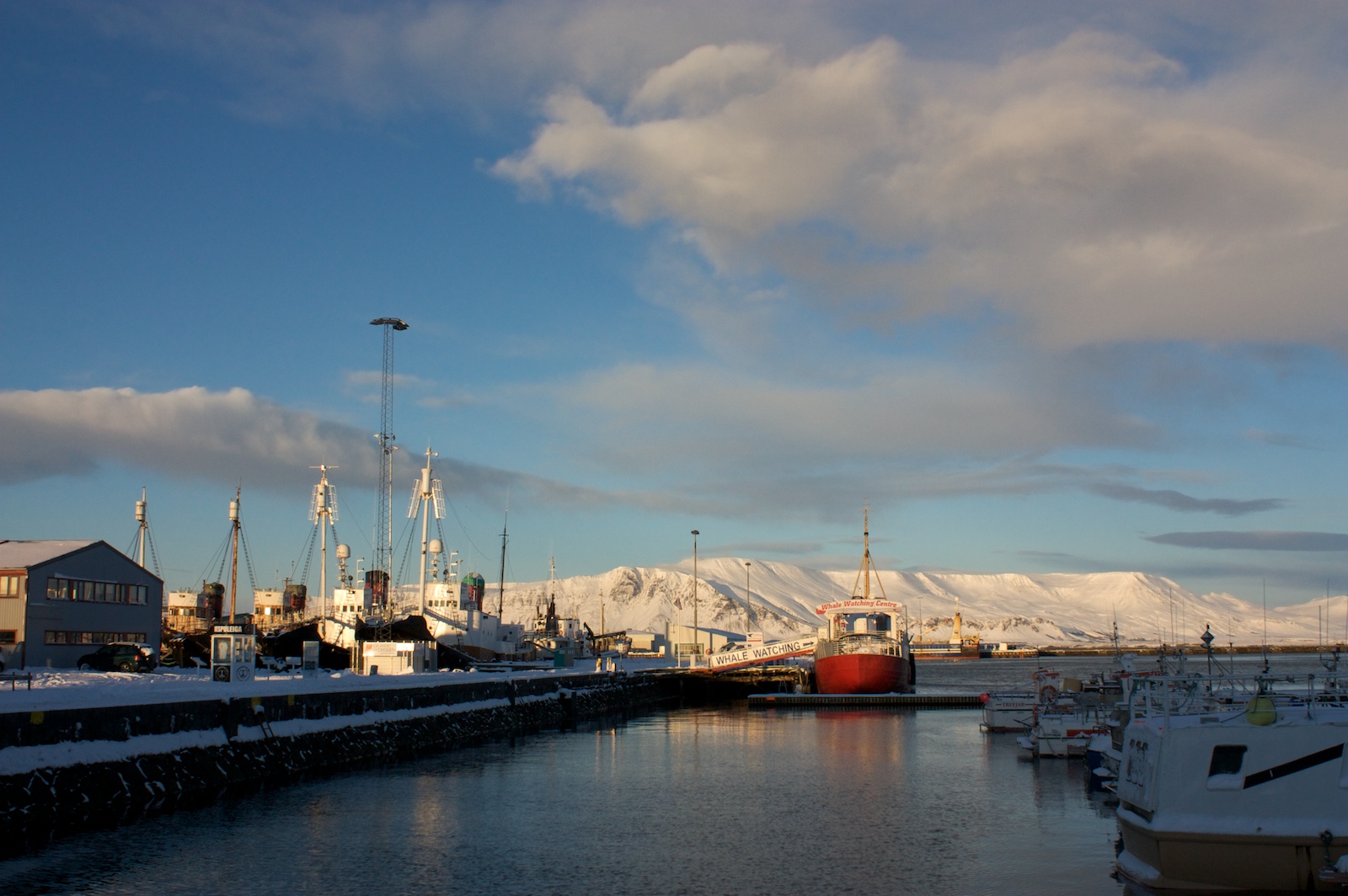
A commercial whaling ship from Iceland has set sail from Reykjavik, marking the country's resumption of whaling activities after a two-year hiatus. The whaling season will be conducted in accordance with the reduced catch recommendations issued by the Marine and Freshwater Research Institute of Iceland. This development has sparked concern and controversy over the whaling industry.
Whaling has a history of thousands of years, with whale meat and whale oil being used to produce oil, an essential energy and industrial material, even during the Industrial Revolution. Although it is unclear where whaling was first organized, the earliest recorded whaling activity dates back to 1026 in the Basque coastal regions of Spain and France. Since then, whaling has gradually expanded to other areas of the North Atlantic and even worldwide, becoming a highly lucrative industry. Some areas along whale migration routes had been concentrated with large numbers of whaling ships, and the whaling industry continued to thrive in the early 20th century. However, many whale species have faced severe declines, even nearing extinction, leading to a ban on whaling by many countries in 1969, and prompting a re-evaluation and regulation of the whaling industry internationally.
Iceland's whaling industry had been suspended for two years, but its resumption has raised concerns and disputes. The Marine and Freshwater Research Institute of Iceland's reduced catch recommendations aim to protect whale resources and maintain ecological balance. However, some individuals and organizations remain opposed to whaling, citing its irreparable harm to whale species and marine ecosystems.
The history and current status of whaling reflect the complex relationship between humans and nature. Early whaling was driven by human basic needs, but industrialization and overexploitation of resources have led to severe declines in whale populations. Today, humans must reassess and regulate whaling, while strengthening protection and management of whale resources and marine ecosystems.
Iceland's resumption of whaling has also sparked attention and discussion regarding the International Whaling Commission (IWC) and related regulations. The IWC was established to protect whale resources and maintain ecological balance, but actual implementation and regulation face numerous challenges and difficulties. Countries need to strengthen cooperation and communication to jointly maintain and protect whale resources and marine ecosystems.
For Taiwan, Iceland's resumption of whaling, although unrelated to Taiwan, holds significant importance. As an island nation, Taiwan has a critical responsibility in protecting and managing marine resources and ecosystems. Moreover, Taiwan needs to strengthen its understanding and participation in the IWC and related regulations, jointly maintaining and protecting global whale resources and marine ecosystems. This development also serves as a reminder that humans must reassess and regulate their relationship with nature, jointly protecting the Earth's resources and ecosystems.
Produced by our editorial team, with AI assistance in editing.