
German Foreign Minister Meets Russian Counterpart in New York Amid Tensions
German Foreign Minister Johann Wadephul met with his Russian counterpart, Foreign Minister Sergey Lavrov, in New York on Monday during the 78th session of
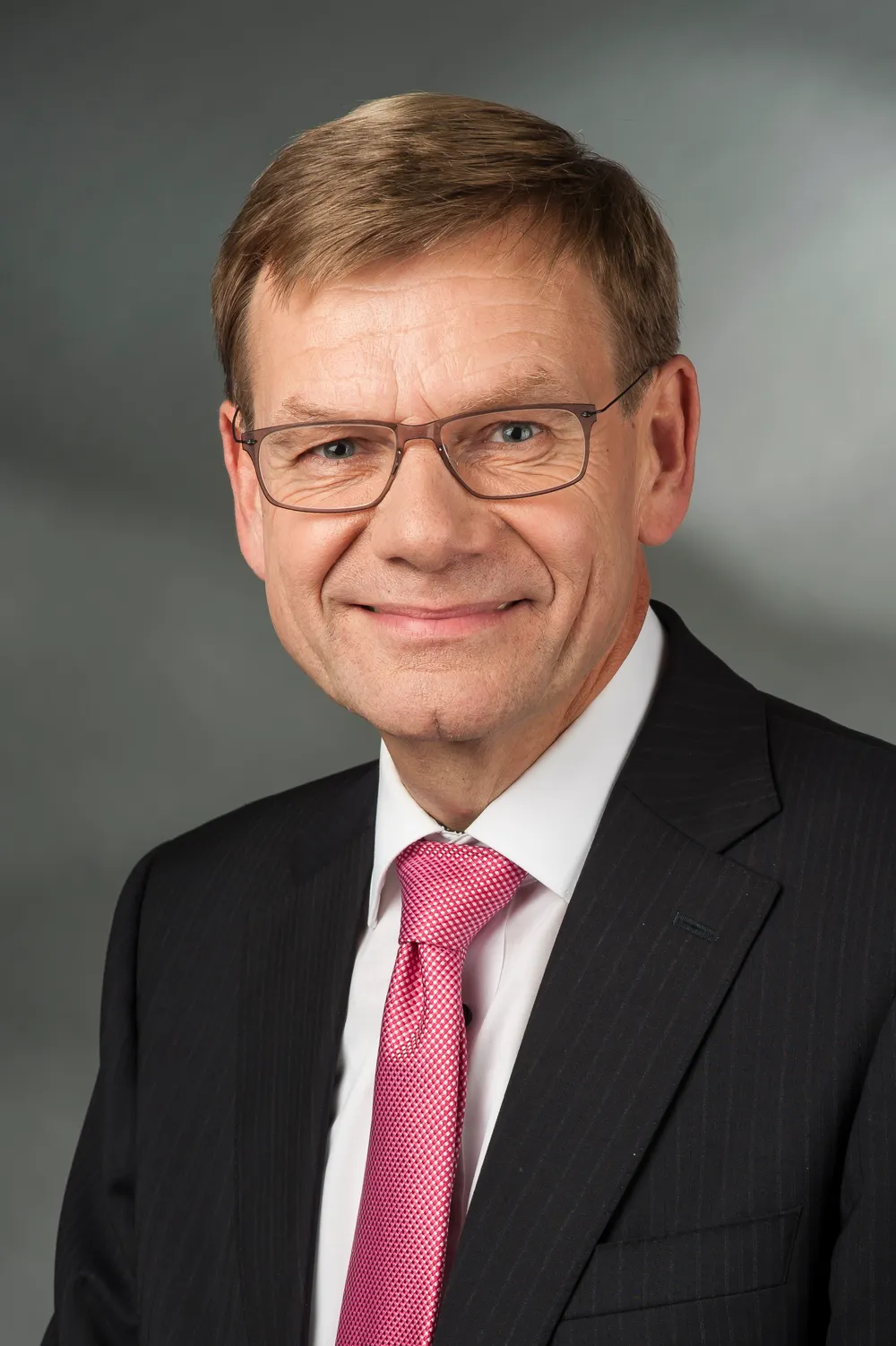
German Foreign Minister Johann Wadephul met with his Russian counterpart, Foreign Minister Sergey Lavrov, in New York on Monday during the 78th session of the United Nations General Assembly. The two leaders held a brief, closed‑door conversation that marked the first direct dialogue between Berlin and Moscow since the 2022 Russian invasion of Ukraine. The meeting took place amid a backdrop of heightened tensions between Russia and Western nations, with Germany having imposed a series of sanctions and joined the broader international effort to isolate the Russian economy over its actions in Ukraine.
The significance of the meeting lies partly in the historic role of the German foreign minister. Since 1966, the position of Bundesminister des Auswärtigen has routinely carried the added responsibilities of vice‑chancellor, making it one of the most powerful offices in the German cabinet. As the chief architect of Germany’s foreign policy, Wadephul’s engagement with Lavrov signals an attempt to re‑open channels that have been frozen for nearly two years. In the weeks leading up to the talks, Berlin had publicly criticized Russia’s conduct in Ukraine and reiterated its commitment to the sanctions regime, while Moscow has sought to diversify diplomatic ties amid growing isolation by the United States and European Union.
The diplomatic dynamics at play are complex. Germany, as the EU’s largest economy and a key energy supplier, has been at the center of efforts to limit Russia’s influence while maintaining a stable supply of natural gas and oil. The country’s foreign minister has repeatedly underscored the necessity of a multilateral approach to the Ukraine conflict, calling for a negotiated settlement that respects Ukraine’s sovereignty. Lavrov, on the other hand, has framed the talks as an opportunity to assert Russia’s position in international affairs, to counterbalance Western sanctions, and to advocate for a “new world order” that he claims would reduce the dominance of the United States and the European Union.
While the two ministers did not announce any concrete agreements, the mere fact that they met has been interpreted by analysts as a step toward a gradual thaw. Both sides have indicated a willingness to discuss practical matters such as trade, migration, and security cooperation, though they remain at odds over the core issue of Ukraine. The meeting also reflects Germany’s broader strategy of engaging with Russia through diplomatic channels to mitigate the risks of a sudden escalation and to protect its own economic interests, particularly in the energy sector.
For Taiwan and the wider Indo‑Pacific region, the development is noteworthy. Germany’s role as a major global trade partner and a key player in the semiconductor supply chain means that any shift in its relationship with Russia could affect the stability of component flows that also reach Taiwanese firms. Moreover, the diplomatic outreach may influence the broader pattern of international responses to Russia’s actions, potentially affecting security calculations in the region. A more nuanced engagement between Germany and Russia could either ease tensions and reduce the likelihood of a wider conflict, or it could embolden Russia to pursue a more aggressive posture, thereby heightening uncertainty for regional actors that rely on stable international relations for trade and security.
Produced by our editorial team, with AI assistance in editing.
