
Fuel tanker crash kills 11 on Iran's Sanandaj‑Marivan highway
A fuel tanker crashed and burst into flames on the highway linking Sanandaj to the town of Marivan in Iran’s Kurdistan province on Saturday, killing eleven
A fuel tanker crashed and burst into flames on the highway linking Sanandaj to the town of Marivan in Iran’s Kurdistan province on Saturday, killing eleven people and wounding seven more, local officials said. The vehicle, which was transporting gasoline, is believed to have suffered a brake failure that caused it to collide with a line of cars before the cargo ignited. Emergency crews arrived within minutes, extinguishing the blaze and transporting the injured to nearby hospitals, while police sealed off the accident site to investigate the cause.
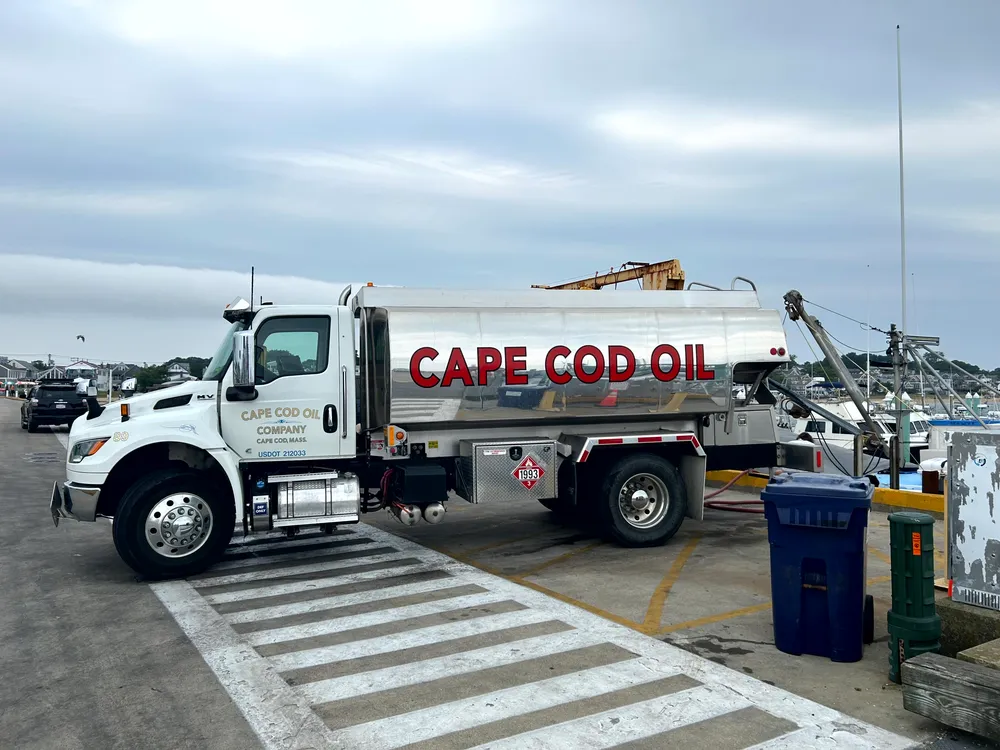
Tanker trucks are purpose‑built road vehicles for moving bulk liquids and gases, ranging from gasoline and diesel to industrial chemicals. Their size and weight give them a high centre of gravity, making them prone to rollovers, especially when only partially loaded. In such cases the liquid inside can slosh, creating a “free surface effect” that destabilises the vehicle further. Depending on the design, tanks may be insulated, pressurised or divided into compartments, but all share the challenge of safely containing volatile cargo while navigating often‑congested road networks.
Iran relies heavily on road‑based fuel distribution to meet domestic demand, a logistical pattern intensified by international sanctions that limit the development of new pipelines and refineries. The Ministry of Roads and Urban Development has repeatedly warned that aging fleets and insufficient maintenance can heighten the risk of accidents. In a statement released after the Sanandaj crash, a senior ministry spokesperson expressed condolences to the victims’ families and pledged a thorough technical review of the tanker’s brake system, noting that similar incidents have prompted tighter inspections in the past. Local authorities in Kurdistan province also indicated that they would coordinate with the Iran Police’s Traffic Police Department to enforce stricter compliance with safety protocols for heavy‑load vehicles.
The immediate impact on the region has been both human and logistical. Families of the deceased are gathering for funerals, while the injured face lengthy recoveries in hospitals already coping with a surge of trauma cases. Traffic on the main artery between Sanandaj and Marivan was rerouted for several hours, disrupting commuter and commercial flows. Moreover, the loss of a substantial volume of gasoline—estimated at several thousand litres—temporarily strained local fuel supplies, prompting nearby depots to accelerate deliveries to prevent shortages. The incident underscores the broader vulnerability of Iran’s fuel‑transport network, where a single accident can ripple through supply chains that serve millions of households and businesses.
While the tragedy unfolded far from Taiwan, it carries relevance for the island’s energy security and for regional supply‑chain resilience. Iran remains a significant crude‑oil producer, and any disruption to its internal distribution can influence global oil pricing and availability, factors that affect Taiwan’s import‑dependent energy mix. Moreover, the accident highlights universal challenges in moving hazardous liquids by road—a concern for any nation that depends on tanker trucks to bridge gaps in pipeline infrastructure. As Taiwan continues to diversify its energy sources and strengthen safety standards for domestic transport of fuels and chemicals, the Sanandaj crash serves as a stark reminder of the importance of rigorous vehicle maintenance, robust regulatory oversight, and rapid emergency response capabilities in preventing loss of life and safeguarding supply continuity.
Produced by our editorial team, with AI assistance in editing.