French police arrest six suspects and recover stolen Renoir paintings
French law enforcement authorities have arrested six individuals suspected of stealing two valuable paintings by Pierre-Auguste Renoir from the Musée Renoi
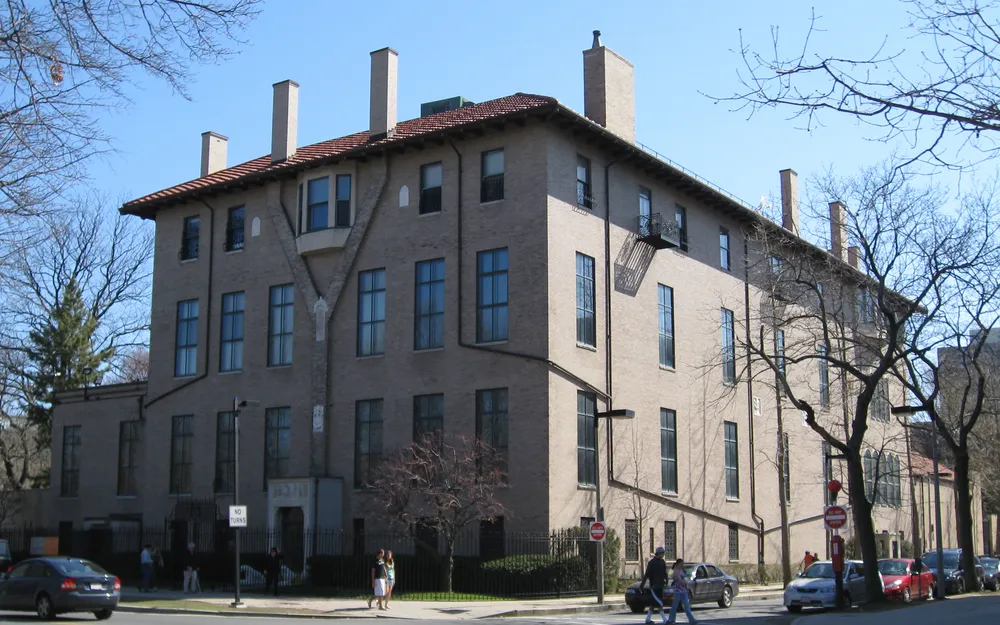
French law enforcement authorities have arrested six individuals suspected of stealing two valuable paintings by Pierre-Auguste Renoir from the Musée Renoir in Cagnes-sur-Mer, located in the Alpes-Maritimes department. The targeted artworks, *Young Woman at the Well* and *Madame Colonna Romano*, were successfully recovered during the police operation, bringing a swift and successful resolution to a high-profile cultural property theft in the south of France.
Art theft remains a persistent challenge for galleries, museums, and private collections globally. Unlike illicit cash or portable consumer goods, stolen masterworks are notoriously difficult to liquidate on the open market due to their widespread recognition and documentation. Consequently, criminal networks often utilize stolen cultural artifacts as high-risk collateral to secure illicit loans or attempt to broker clandestine ransoms. Historical data indicates that only a small fraction of stolen art—an estimated 10 percent—is ever successfully recovered, making the rapid retrieval of the Renoir pieces a notable success for investigators.
The vulnerability of cultural institutions has been underscored by numerous historic heists, ranging from the 1911 theft of the *Mona Lisa* from the Louvre to the 2004 armed robbery of Edvard Munch’s *The Scream* in Oslo. The largest unsolved art theft in history occurred in 1990 at the Isabella Stewart Gardner Museum in Boston, where thirteen works valued at a combined $500 million remain missing. While high-profile museum burglaries often capture public fascination, the illicit antiquities trade also encompasses systemic state-sponsored looting, such as Nazi confiscations during World War II and ongoing art depredations amid the Russian invasion of Ukraine.
In response to these threats, specialized police units dedicated to combating art theft and the illicit antiquities trade operate in numerous nations across Europe and beyond. These specialized investigators coordinate closely with international agencies like Interpol to monitor transnational black markets, intercept smuggled heritage items, and trace illicit transactions. The successful apprehension of the suspects in Cagnes-sur-Mer highlights the efficacy of targeted domestic law enforcement and intelligence-sharing in safeguarding national patrimony.
For the international community, the protection of cultural heritage carries profound implications for the global preservation of history and the security of public institutions. As museums increasingly face sophisticated security threats, safeguarding cultural assets ensures that historical treasures remain accessible for public education and academic study, while simultaneously depriving transnational criminal syndicates of valuable illicit revenue streams that often fund broader criminal enterprises.
Produced by our editorial team, with AI assistance in editing.