
French Police Arrest Man Suspected of Arson at Limoges City Hall
French authorities have arrested a 34-year-old man in connection with a deliberate arson attack targeting the Hôtel de Ville in Limoges, located in the Hau
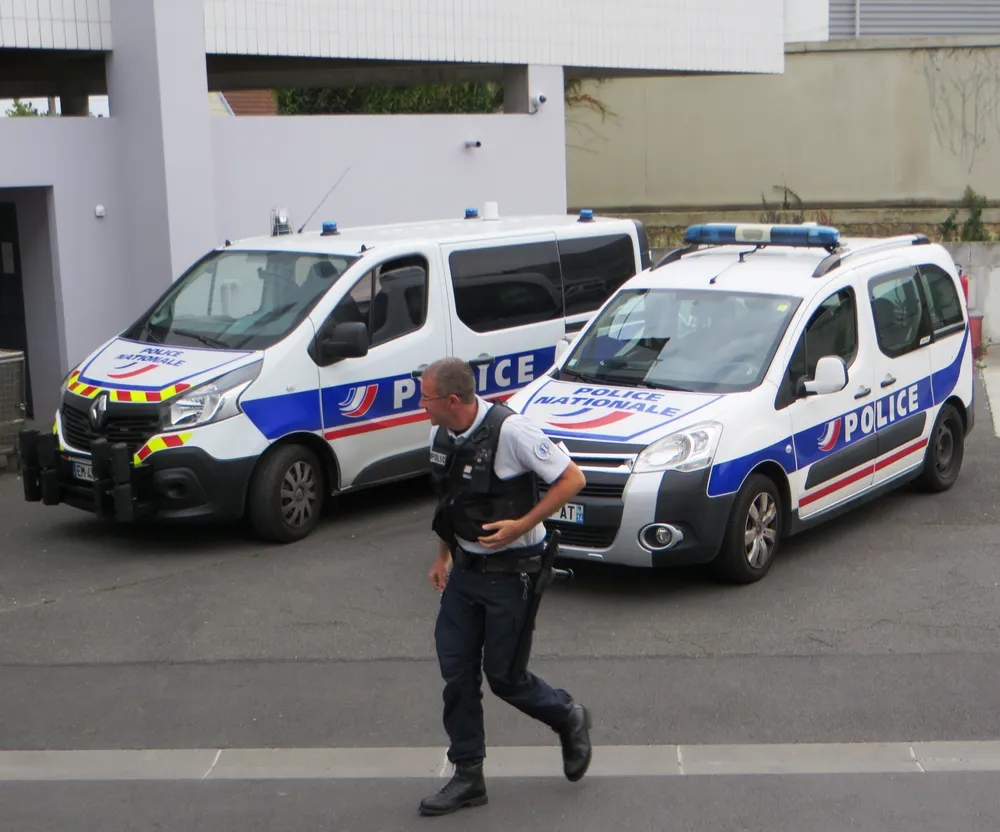
French authorities have arrested a 34-year-old man in connection with a deliberate arson attack targeting the Hôtel de Ville in Limoges, located in the Haute-Vienne department of south-central France. The incident, which caused significant material damage to the historic municipal building, prompted an immediate mobilization of local emergency services and a subsequent intensive manhunt led by regional investigators. The suspect, whose identity has been withheld pending formal judicial proceedings, was taken into custody without incident following a coordinated operation between local and national law enforcement units.
The attack on a core symbol of local civic administration has drawn sharp condemnation from municipal and national leaders alike, highlighting ongoing concerns over the security of public infrastructure in France. Arson attacks against government property present complex investigative challenges, requiring forensic specialists and specialized judicial units to meticulously process the crime scenes. Under the French legal framework, such cases demand close coordination between the investigating agencies and the judiciary to establish a clear motive and determine whether the act was targeted at the municipal administration specifically or served as a broader expression of civil unrest.
This incident unfolds against the backdrop of France’s distinct and highly centralized law enforcement architecture. Policing responsibilities in the country are primarily divided between two national entities under the authority of the Ministry of the Interior: the National Police, which generally operates in urban centers, and the National Gendarmerie, a military force with jurisdiction over smaller towns and rural areas. While recent legislative reforms have increasingly empowered local authorities to establish and deploy municipal police units for localized patrols and traffic management, the formal authority to conduct comprehensive criminal investigations remains strictly confined to designated officers operating under the direct supervision of investigative magistrates.
The reliance on a centralized investigative apparatus ensures uniform application of the law across France's diverse administrative departments, yet it also places a heavy operational burden on national units when regional incidents occur. In the case of the Limoges city hall fire, the seamless cooperation between municipal responders and the centralized investigative branches proved critical in swiftly identifying and apprehending the primary suspect. As the judicial process moves forward, prosecutors are expected to outline the specific charges, which typically carry severe penalties under the French penal code when directed against public buildings and symbols of state authority.
Produced by our editorial team, with AI assistance in editing.