French Labor Unions and Yellow Vest Protesters Stage Nationwide Economic Demonstrations
France has seen a resurgence of nationwide demonstrations as labor unions, student organizations, and remnants of the grassroots "yellow vest" movement con
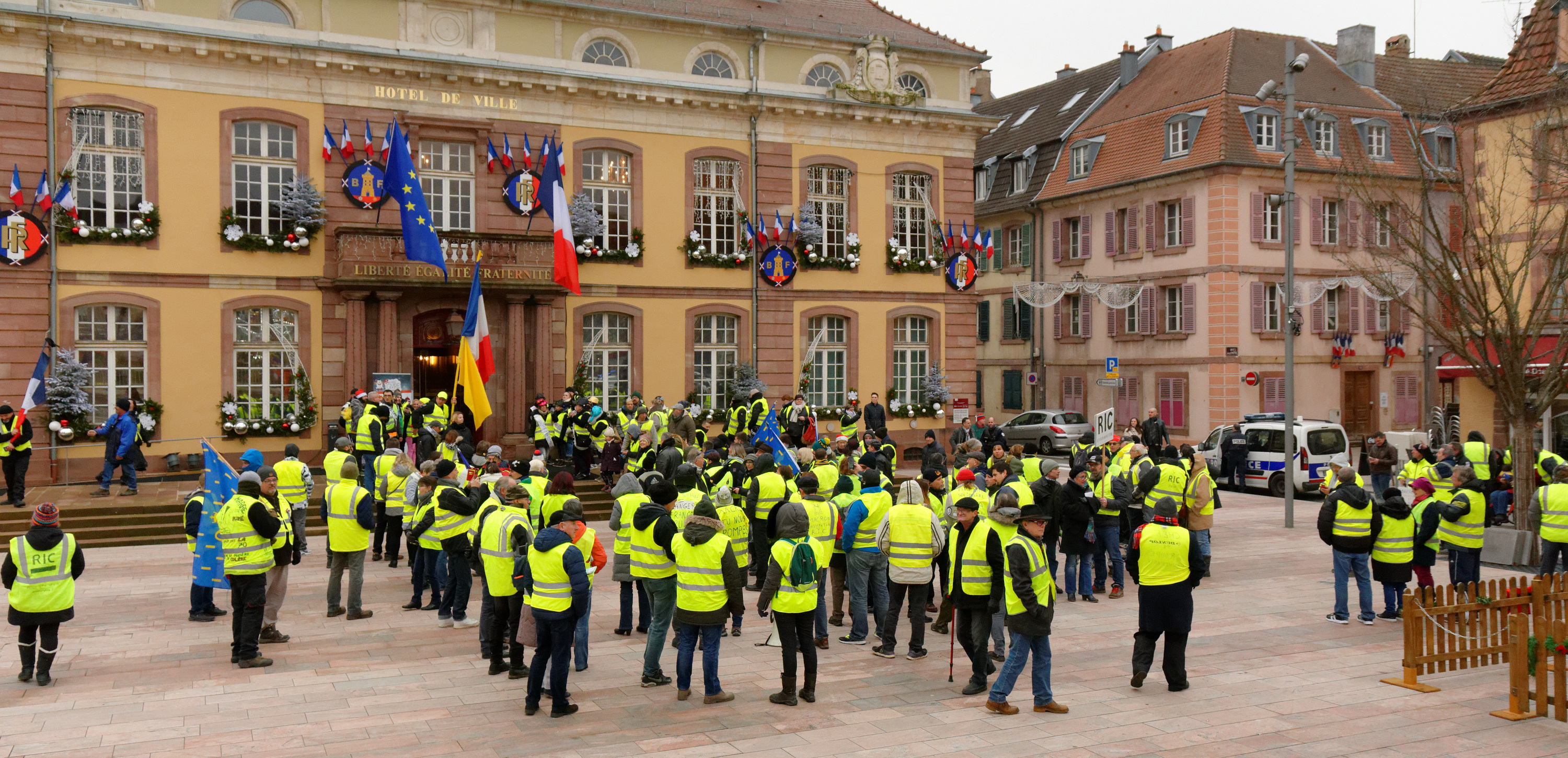
France has seen a resurgence of nationwide demonstrations as labor unions, student organizations, and remnants of the grassroots "yellow vest" movement converged for a fourth consecutive weekend of protests. An estimated 146,000 participants took to the streets in cities across the country, voicing deep-seated economic frustrations and mounting dissatisfaction with the government's fiscal policies. The coordinated mobilization reflects a broad coalition of societal sectors pushing back against persistent inflation and the high cost of living.
This wave of demonstrations echoes the dynamics of the historic yellow vest movement that originally erupted in late 2018. That populist uprising was initially sparked by rising fuel prices and a regressive carbon tax structure, quickly expanding into a broader indictment of economic inequality. Operating largely outside traditional political parties and labor unions, those earlier protesters argued that government policies disproportionately burdened the working and middle classes, particularly in rural and peri-urban regions dependent on automobiles. Over time, the movement crystallized around a wide-ranging list of grievances touching on fiscal justice, direct democracy, and calls for the resignation of President Emmanuel Macron.
The current protests channel many of those same structural concerns, though they now incorporate organized labor and youth factions facing contemporary economic pressures. Protesters are demanding immediate relief measures, including higher wages, lower taxation on essential goods, and the reversal of policies perceived as favoring corporations and high-income earners. The government, meanwhile, faces a delicate balancing act. Officials must attempt to maintain fiscal discipline and advance structural economic reforms while managing intense social unrest and preventing the demonstrations from escalating into widespread property damage and civil disruption.
As the demonstrations continue to test the administration's resolve, the political fallout carries significant implications for stability within the eurozone's second-largest economy. Prolonged domestic turmoil in France can constrain the legislative agenda of the central government, dampening consumer confidence and impacting broader economic activity across the European Union. For international observers and trading partners, a politically fractured or economically sluggish France complicates broader European efforts to coordinate fiscal policy, manage energy transitions, and maintain internal cohesion amid ongoing geopolitical and economic challenges.
Produced by our editorial team, with AI assistance in editing.