French and Japanese Chemists Win Nobel Prize for Asymmetric Synthesis Breakthrough
French chemist Henri B. Kagan and Japanese scientist Kensō Soai have been jointly awarded the Nobel Prize in Chemistry. The two researchers were recognized
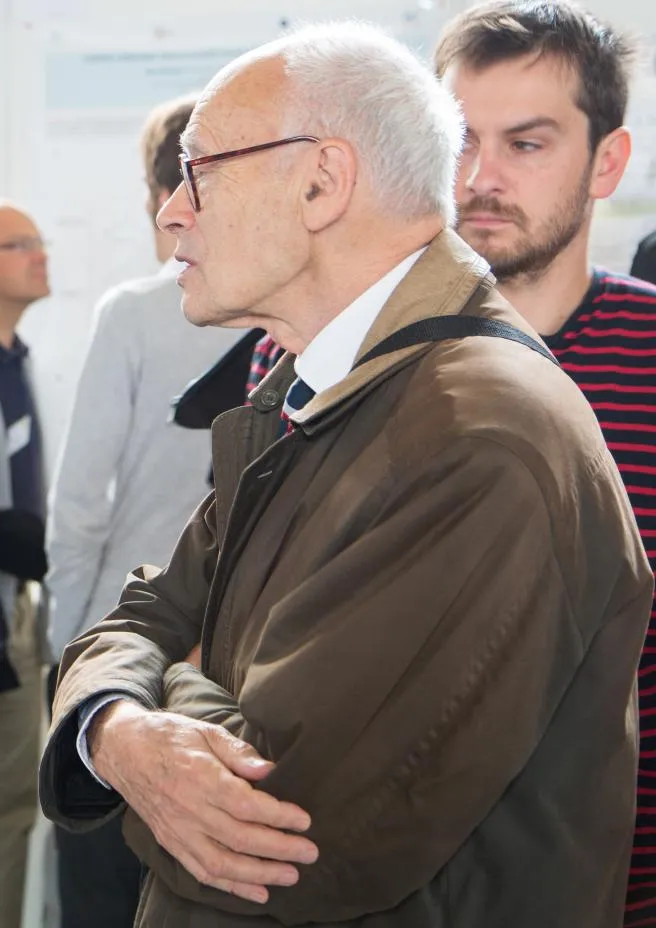
French chemist Henri B. Kagan and Japanese scientist Kensō Soai have been jointly awarded the Nobel Prize in Chemistry. The two researchers were recognized by the Nobel Committee for their pioneering work on "the discovery of non-linear effects and autocatalysis in asymmetric organic synthesis," a breakthrough that fundamentally advanced the precision and efficiency of molecular chemistry.
The awarded research centers on asymmetric synthesis, a critical methodology in chemistry that allows scientists to produce specific mirror-image forms of molecules. Many organic molecules exist in two enantiomeric forms, much like human hands, where one version may have therapeutic medical benefits while the other could prove ineffective or harmful. Historically, achieving high selectivity in creating these single-handed molecules presented a major challenge for industrial and academic laboratories alike.
Professor Kagan, an emeritus professor at Paris-Saclay University in France, laid foundational groundwork in asymmetric catalysis, earning international recognition for developing catalytic systems that streamline the production of chiral compounds. Building upon this conceptual landscape, Professor Soai of the Tokyo University of Science made a landmark discovery regarding asymmetric autocatalysis and non-linear effects. His research demonstrated how certain chemical reactions can use their own products as catalysts, exponentially amplifying chiral imbalances to achieve near-perfect optical purity from minuscule initial asymmetries.
These theoretical and experimental milestones have carried profound implications for the global pharmaceutical sector. Modern drug manufacturing relies heavily on enantiomerically pure compounds to ensure medication safety and efficacy, particularly in the production of complex therapeutics, agrochemicals, and fine chemicals. By enabling more efficient synthetic pathways, the discoveries of Kagan and Soai have helped reduce the economic and environmental costs associated with producing life-saving drugs on an industrial scale.
The recognition of this Franco-Japanese scientific collaboration underscores the globalized nature of advanced chemical research and its indispensable role in modern technology. For high-tech manufacturing hubs and economies deeply integrated into global supply chains—including Taiwan's advanced chemical, pharmaceutical, and semiconductor materials sectors—improvements in molecular precision and catalytic efficiency remain vital. Innovations originating from foundational chemistry research directly feed into the manufacturing of specialty materials, underpinning the high-purity inputs required across advanced industrial economies in the Indo-Pacific and beyond.
Produced by our editorial team, with AI assistance in editing.